GameCube / PS2 / Xbox / PC2006Sonic Team & Now ProductionHoverboard racing
Sonic Riders (2006)
Sonic trades his sneakers for a hoverboard. Sonic Team’s 15th-anniversary racer pits him against a gang of bird thieves called the Babylon Rogues, in a Grand Prix where the air you ride on is also your fuel.
Released21 Feb 2006 (NA) · 23 Feb 2006 (JP) · 17 Mar 2006 (EU) · PC: Nov 2006
DeveloperSonic Team with Now Production
DirectorKenjiro Morimoto; producer Takashi Yuda
RivalsJet, Wave and Storm: the Babylon Rogues
Racers16, including NiGHTS, Ulala and AiAi
SalesAbout 1.49 million by Sega’s figures
Title
Sonic Riders; Japanese: ソニックライダーズ
Platforms
GameCube, PlayStation 2, Xbox (2006); Windows PC (late 2006); PC version in Sonic PC Collection (2009)
Developer
Sonic Team and Now Production; 2D animated opening by Production I.G; CG cutscenes by Marza Animation Planet
GameCube and PlayStation 2 21 February 2006; Xbox 21 February 2006 by our original page and Wikipedia (Sega Retro lists 30 March); PC mid-November 2006 (sources give 14, 16 and 17 November)
Released (Japan)
23 February 2006 on GameCube, PlayStation 2 and Xbox (¥5,800 each); the PC version was not released in Japan
Released (Europe)
17 March 2006 on all three consoles (UK £34.99); PC 24 November 2006
Released (Australia)
PlayStation 2 and GameCube 23 March 2006; Xbox 23 March by our original page (30 March by Wikipedia); PC early 2007 (our original page gives 29 March, Wikipedia 8 February)
Budget editions
Player’s Choice (GameCube) and Greatest Hits (PlayStation 2) in North America; BigHit (Korea, 2008); several PC budget labels
Nearly a decade after Sonic R, Sonic Team finally made its own Sonic racer, and it did not involve karts. Sonic Riders puts the cast on Extreme Gear: hoverboards, hover skates and hoverbikes that skim over the track on a cushion of air. Released in February 2006 to mark the series’ 15th anniversary, it arrived on GameCube, PlayStation 2 and Xbox together, with a PC version at the end of the year.
The twist is the air tank. It powers your gear, drains as you race, and empties faster when you boost, drift round corners or charge up a jump. Fill it back up by landing tricks off ramps, surfing the turbulence left behind by the racer in front, or stopping at a pit. Rings level your board up mid-race, and each racer belongs to a Speed, Fly or Power class with its own shortcuts, the same three-way split as Sonic Heroes.
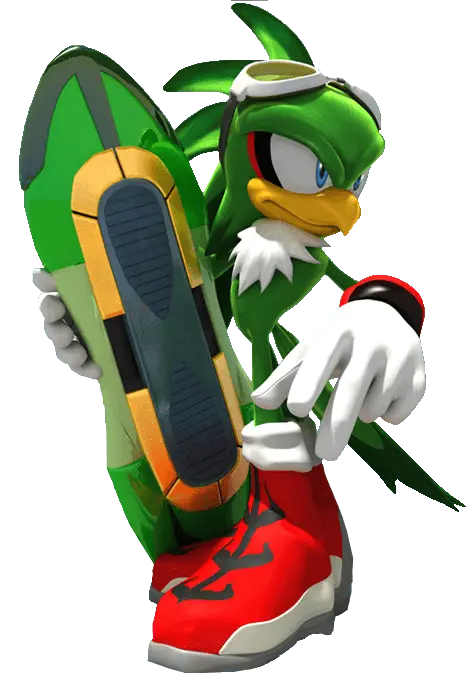
It also brought new faces. Jet the Hawk, Wave the Swallow and Storm the Albatross, the thieving Babylon Rogues, were designed as Sonic’s rivals on the track, and Sega’s own stars NiGHTS, Ulala and AiAi joined the grid. Critics found the handling slippery and the pit stops a chore, but loved the speed and the style, and players bought it in large numbers. It was also the last Sonic game released before Yuji Naka, its executive producer, left Sega (he had also led the early work on Sonic the Hedgehog of 2006).
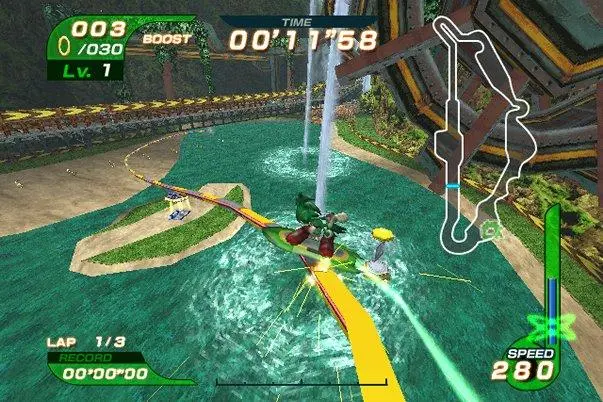
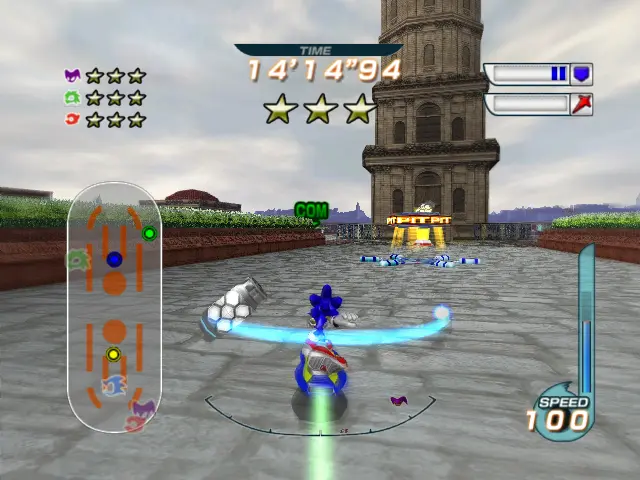
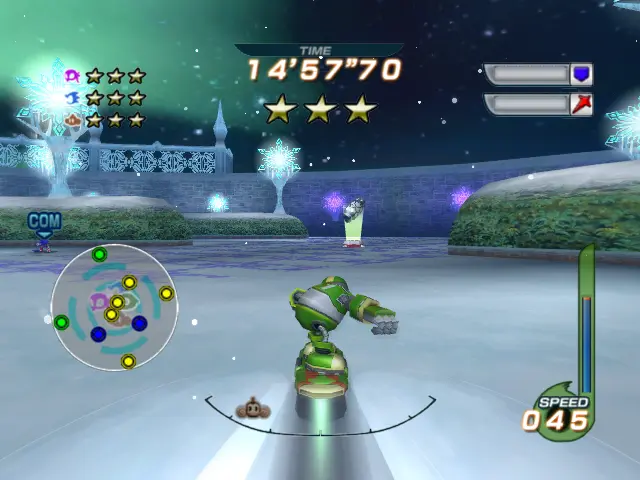
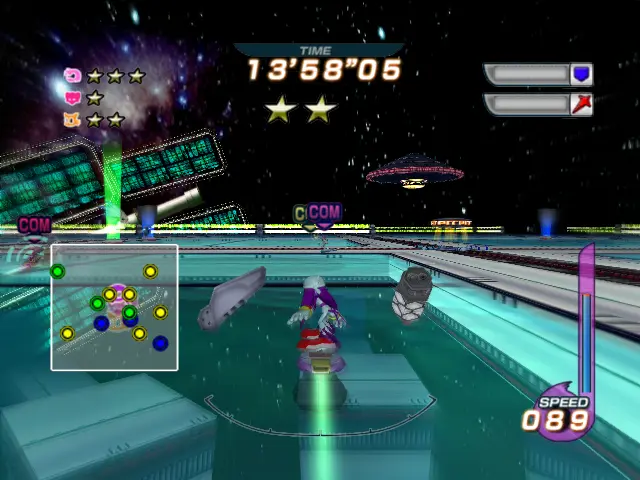
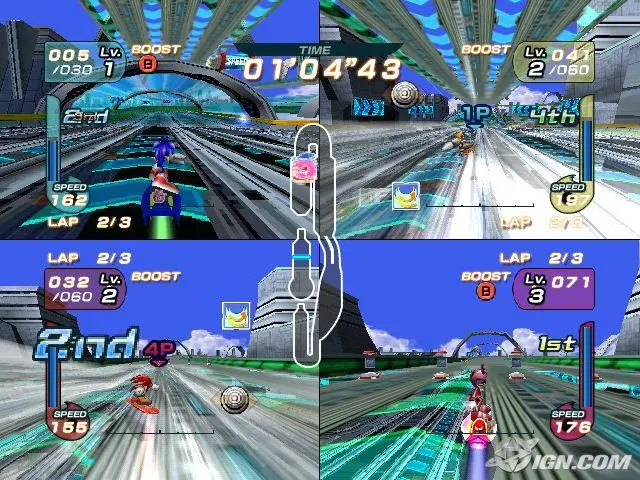
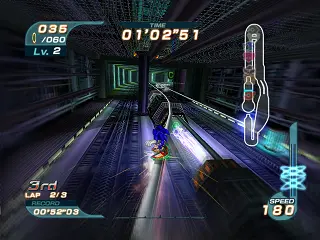
Metal City, the opening track.Babylon Garden.Four players, one screen.
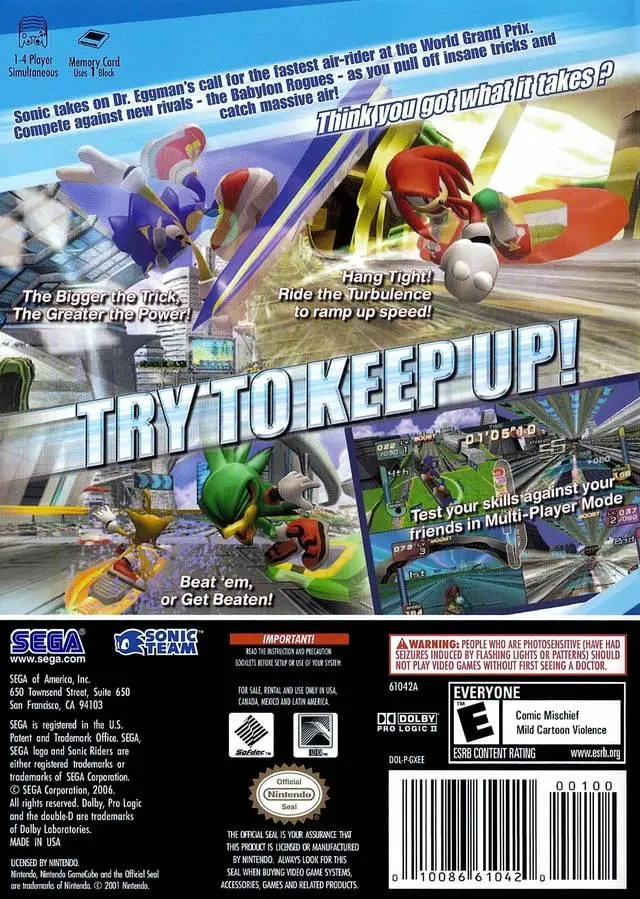
Sonic takes on Dr. Eggman’s call for the fastest air-rider at the World Grand Prix.
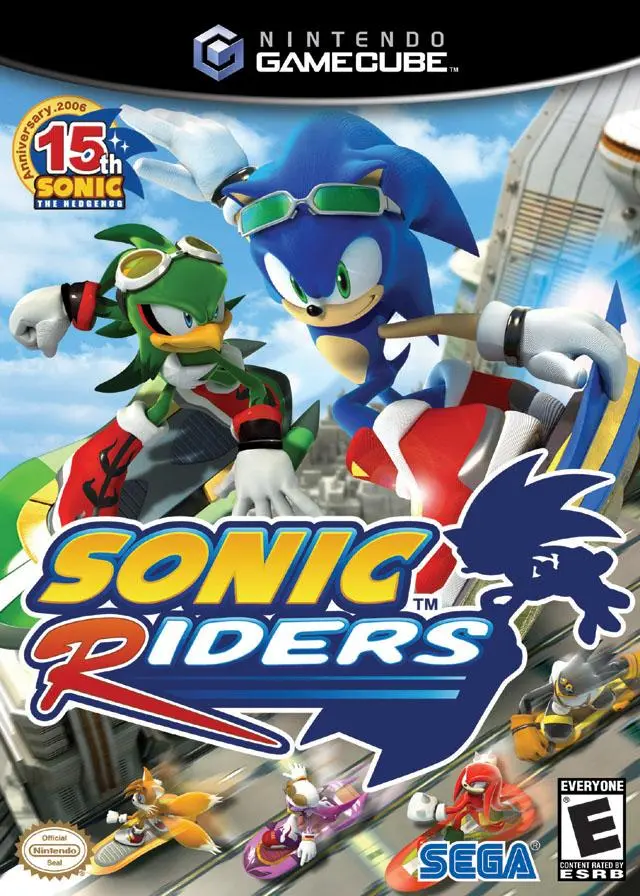
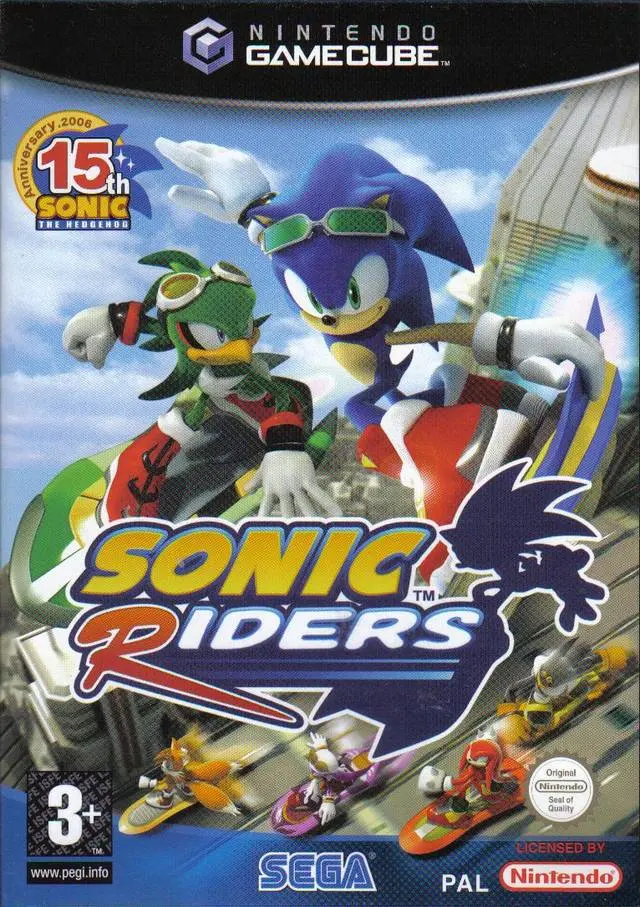
The back of the North American GameCube box goes on to promise new rivals in the Babylon Rogues, insane tricks and massive air, sells the turbulence-riding and the bigger-trick-more-power idea, offers multiplayer for one to four players and signs off with a challenge: “Try to keep up!”
— Official description: Sega of America, Sonic Riders North American GameCube box (2006), from the scan in Sonic Scene’s own box art gallery. One line quoted; the rest summarised.
Quick Answers
The short answers, with the detail further down the page.
When did Sonic Riders come out?
In North America on 21 February 2006, Japan on 23 February and Europe on 17 March, on GameCube, PlayStation 2 and Xbox. The PC version followed in November 2006. More →
Who are the Babylon Rogues?
A trio of bird thieves: Jet the Hawk, their leader and the “Legendary Wind Master”; Wave the Swallow, their mechanic; and Storm the Albatross, their muscle. They descend from the ancient Babylonians. More →
What is Extreme Gear?
The anti-gravity vehicles everyone races on: boards, skates and bikes. Each has its own stats, and you buy more in the shop with the rings you collect. More →
How does the air tank work?
Air is your fuel. Boosting, drifting and charged jumps use it up; tricks, slipstreams and pit stops refill it. Run dry and your racer has to run on foot. More →
How many tracks are there?
Sixteen race courses in eight areas, each area with a Heroes and a Babylon version, plus three survival battle arenas. More →
Which Sega guests appear?
NiGHTS from NiGHTS into Dreams, Ulala from Space Channel 5 and AiAi from Super Monkey Ball join the grid as extra racers. More →
Was it a hit?
Commercially, yes: about 1.49 million copies by Sega’s figures, and the GameCube version was the console’s second best-seller at launch. Reviews were mixed. More →
Is there a sequel?
Two: Sonic Riders: Zero Gravity (2008) on Wii and PlayStation 2, and the Kinect-only Sonic Free Riders (2010). More →
Plot / Story
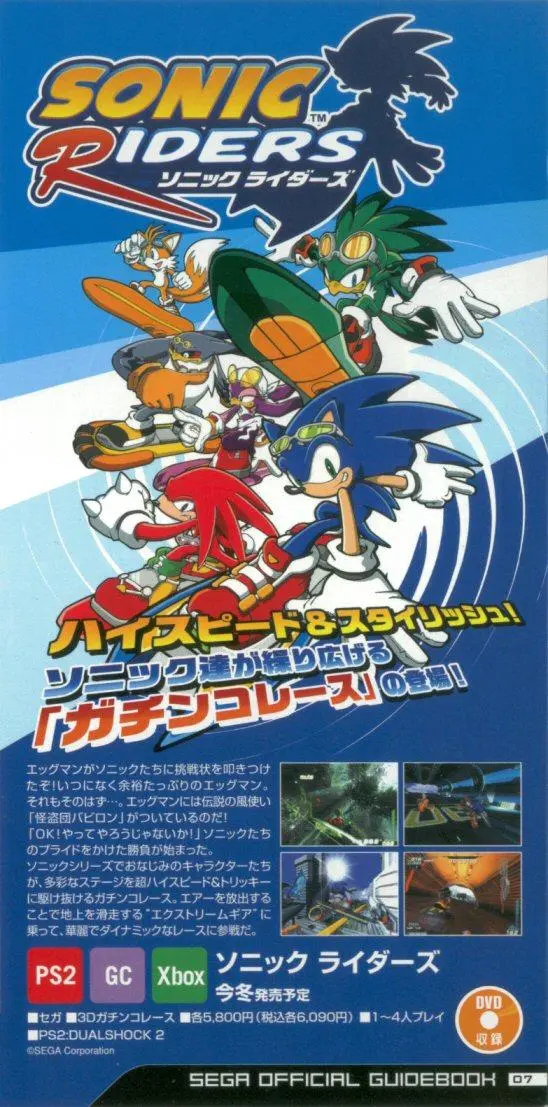
The cast of Sonic Riders, from a Japanese wallpaper.Image via Sonic Retro
Sonic Riders tells one story from two sides. The Heroes Story follows Sonic, Tails and Knuckles; finish it and the Babylon Story opens, showing what Jet, Wave and Storm were up to all along, before both threads meet in a final chapter.
A heist in Metal City
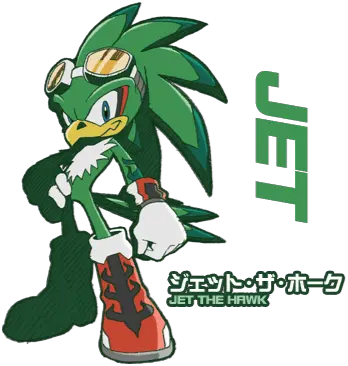
Jet the Hawk.Image via Sonic Retro
It starts on an evening stroll. Tails’ radar picks up a Chaos Emerald nearby, a window shatters, and three birds on hoverboards drop out of the Metal City bank with the gem. Sonic and Knuckles knock the big albatross off his board, Sonic jumps on it and gives chase, and for once someone is simply faster: the hawk leaves him behind and the gang vanishes into the night.
The EX World Grand Prix
The next morning Dr. Eggman appears on a giant screen announcing an Extreme Gear tournament, the EX World Grand Prix. The entry fee is a Chaos Emerald, the winner takes all seven, and among the entrants are last night’s thieves. Sonic, Tails and Knuckles sign up on the spot, Amy Rose tags along, and race after race the heroes trade places with the Rogues. In the final, Wave quietly tampers with Sonic’s board and Jet takes the title.
The Babylon Story
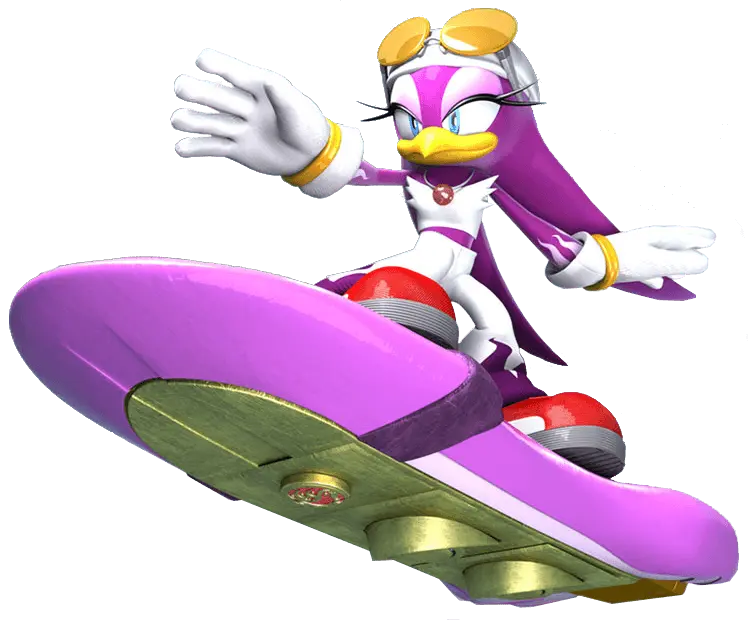
Wave the Swallow.Image via Sonic Retro
The second campaign rewinds the clock. Jet is the keeper of the Key to Babylon Garden, an heirloom passed down his family that is supposed to reveal what the Rogues’ Babylonian ancestors left behind. Eggman offers a deal: help him gather Chaos Emeralds and he will raise the legendary garden. That deal explains the bank job, and the Grand Prix, with an Emerald as its entry fee, gathers the rest, but the doctor means to keep the treasure for himself.
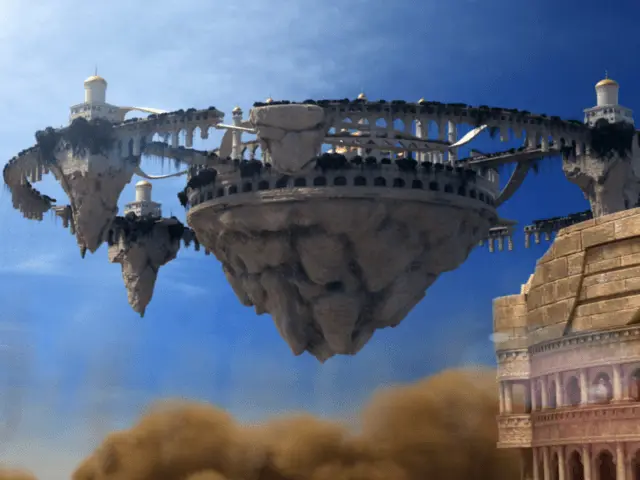
Babylon Garden and the Guardian
The Babylon Guardian.Image via Sonic Retro
With the seven Emeralds, Jet makes Babylon Garden appear in the sky. Eggman snatches the Key and flies off, Amy clinging to his ship, and Sonic and Jet race each other to catch him. Together they rescue Amy and recover the Key, which opens a hidden door into the ruins, where both teams have to beat the Babylon Guardian, a giant creature protecting the treasure.
The prize is a let-down, at least for Eggman, who faints when the chest turns out to hold a carpet. Jet uses the Key to make it fly: the Babylonians’ treasure was a magic carpet, an ancient ancestor of Extreme Gear. The teams part, and Jet promises Sonic a rematch.
Tracks in Sonic Riders
Sixteen race courses in eight areas, each area with two variants. Sonic Wiki Zone pairs each Heroes Story course with a Babylon Story one, as below; Story Mode also decides who you race as, and the character named is the story racer.
Metal CityHeroes 1 · SonicWhere the story starts with the bank job. The opening fly-by shows billboards with Sonic Adventure and Sonic Heroes art.
Night ChaseBabylon 1 · JetThe first race of the Rogues’ story, paired with Metal City.
Splash CanyonHeroes 2 · TailsTails takes the wheel, or rather the board, for the second Heroes race.
Red CanyonBabylon 2 · WaveWave’s first story race, paired with Splash Canyon.
Egg FactoryHeroes 3 · KnucklesEggman’s robot plant, where purple E-10000P robots are still in production and an E-10000Y flies about.
Ice FactoryBabylon 3 · StormThe factory frozen over, which halts the E-10000P line; an E-10000Y tries to thaw it.
Green CaveHeroes 4 · TailsTails’ second Heroes race.
White CaveBabylon 4 · JetJet’s run through the caves, paired with Green Cave.
Sand RuinsHeroes 5 · SonicThe penultimate Heroes race, back in Sonic’s hands.
Dark DesertBabylon 5 · JetPaired with Sand Ruins; Jet again.
Babylon GardenHeroes 6 · SonicThe floating Babylonian garden and the final race of the Heroes Story.
Sky RoadBabylon 6 · WaveWave’s second story race, paired with Babylon Garden.
Digital DimensionExtra courseThe one additional course outside the two stories.
Babylon GuardianBabylon 7 · SonicThe last story race, run as Sonic, and home to the game’s only boss.
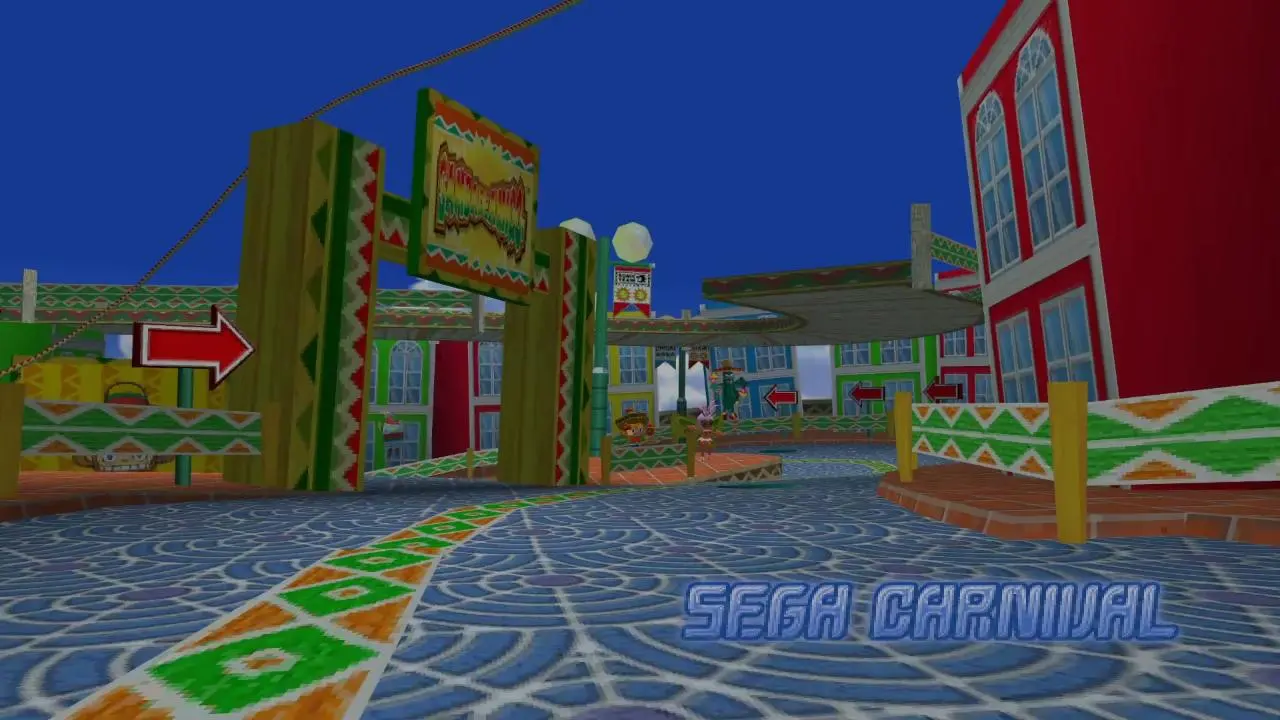
Sega CarnivalNostalgia courseOne of two nostalgia courses: Samba de Amigo’s Amigo plays the maracas, and a Crazy Taxi city hides a secret.
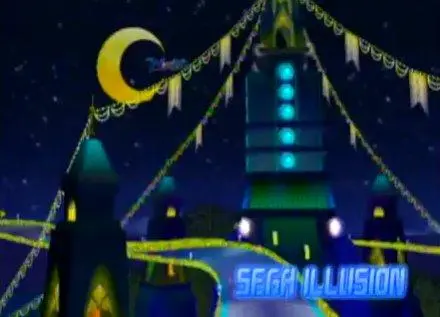
Sega IllusionNostalgia courseThe second nostalgia course, with Opa-Opa from Fantasy Zone as enemies.
Survival Battle uses three arenas of its own: Dual Towers, Snow Valley and Space Theater.
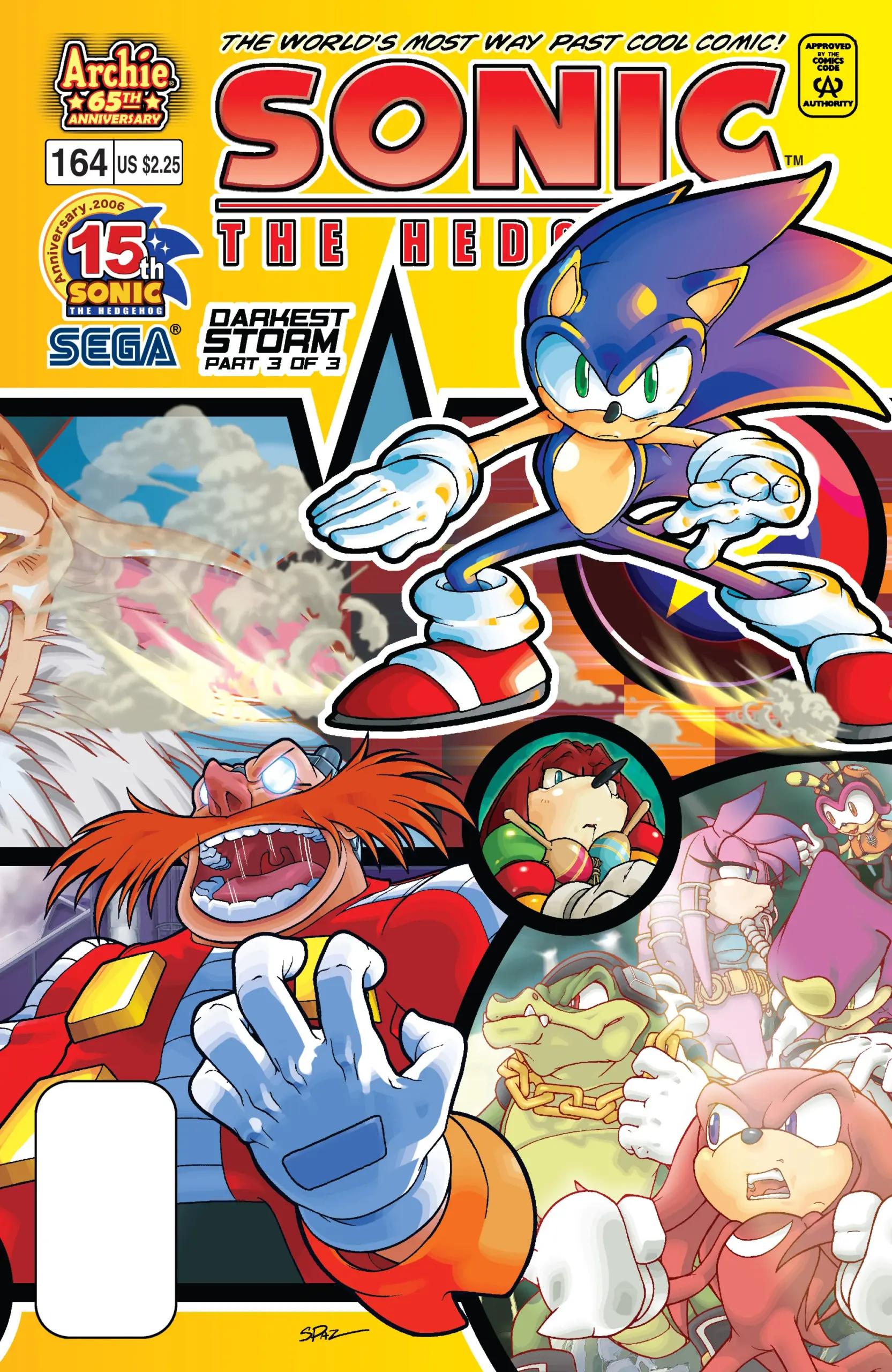
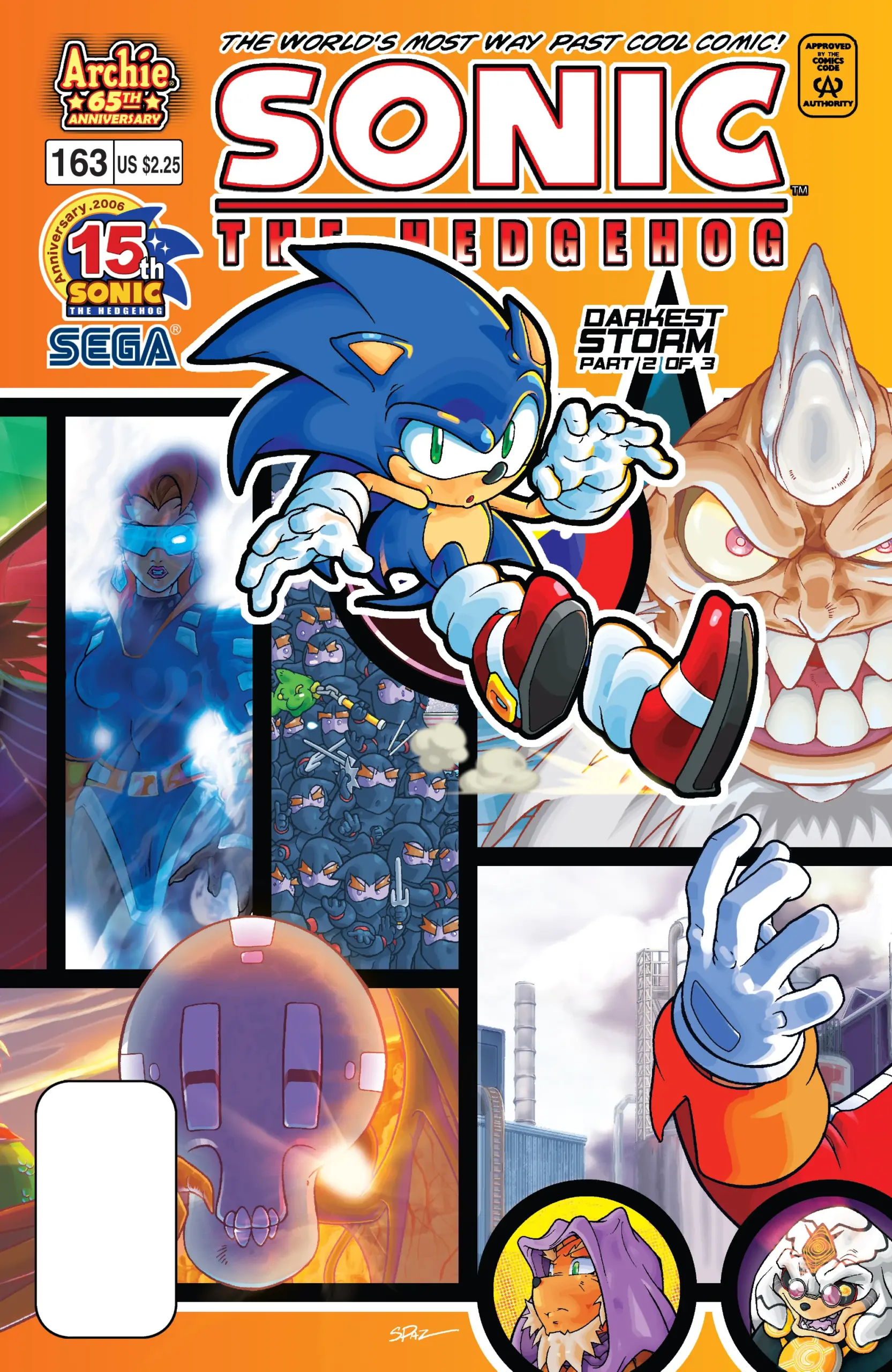
Archie Sonic the Hedgehog #163–164Archie Comics · June–July 2006A two-part adaptation of the game, drawn to match the look of its animated opening.
Sonic Universe and the Archie RoguesArchie ComicsThe Babylon Rogues kept turning up in Archie’s books, including further plots in Sonic Universe; Extreme Gear appears again in Sonic the Hedgehog #173.
IDW Sonic the HedgehogIDW Publishing · from 2019IDW reintroduced Jet, Wave and Storm in its 2019 Annual and has used them in several story arcs since.
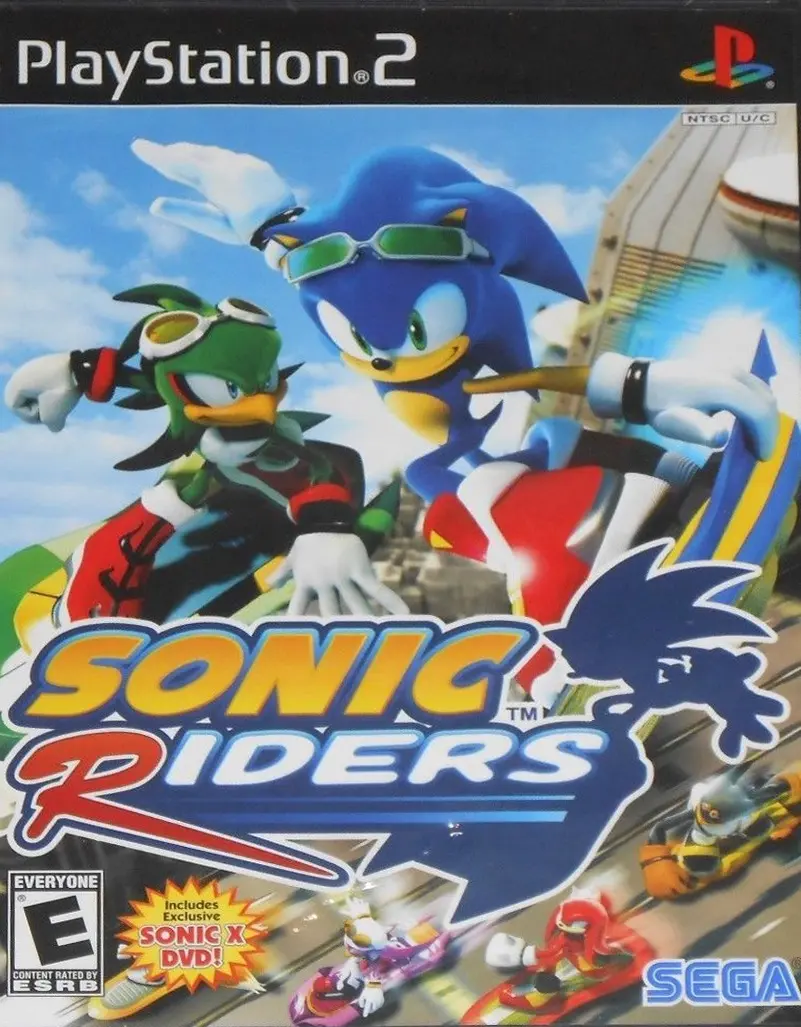
Sonic X DVD bundleBonus disc · 2006For a short time, North American copies came with a bonus Sonic X DVD.
Sonic Racing: CrossWorldsSega · 2025The first racer since Free Riders to let you ride Extreme Gear.
Characters
Sixteen racers in three classes. Speed racers grind rails, Fly racers soar through hoop chains and Power racers smash through obstacles, and every track hides shortcuts for each class.
Character
Who they are
In this game
Stats & abilities
Sonic the HedgehogSpeed · Heroes Story
The fastest thing alive, and not used to losing a race.
Chases the Emerald thieves, enters the Grand Prix to stop them, then races Jet to Babylon Garden to stop Eggman, with a rematch promised at the end.
Speed class: grinds rails
Rides the Blue Star board
Super Sonic is an unlockable extra
Miles “Tails” ProwerFly · Heroes Story
Sonic’s mechanic friend.
Spots the stolen Emerald on his radar and races two of the Heroes Story courses himself.
Fly class: hoop chains carry him over the track. Rides Yellow Tail.
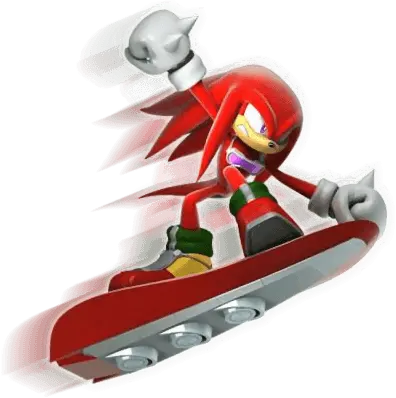
Knuckles the EchidnaPower · Heroes Story
Guardian of the Master Emerald.
Helps knock Storm off his board in the opening heist and races Egg Factory.
Power class: smashes obstacles for shortcuts. Rides Red Rock.
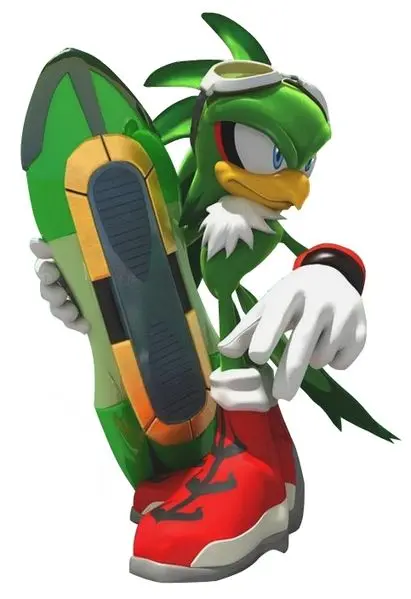
Jet the HawkNew · Speed · Babylon leader
Leader of the Babylon Rogues, called the Legendary Wind Master for an Extreme Gear talent handed down from his ancestors. Proud, vain and allergic to losing, he loves treasure and himself in roughly that order.
Keeper of the Key to Babylon Garden. Beats Sonic in the opening chase and wins the Grand Prix, then has to team up with him against Eggman.
Speed class
Rides the Type-J board
Fights with a pair of fans
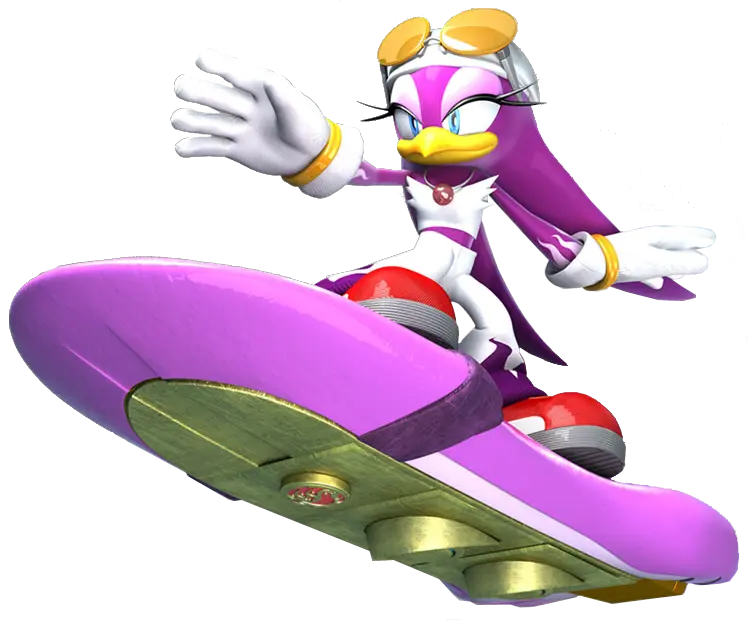
Wave the SwallowNew · Fly · Babylon mechanic
The Rogues’ engineer, like her father before her. Her grasp of Extreme Gear is said to beat both Tails and Eggman, and she treats Jet like an unreliable little brother.
Builds and tunes the gang’s gear, and sabotages Sonic’s board in the Grand Prix final.
Fly class
Rides the Type-W board
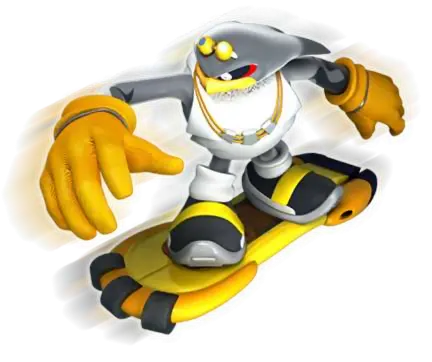
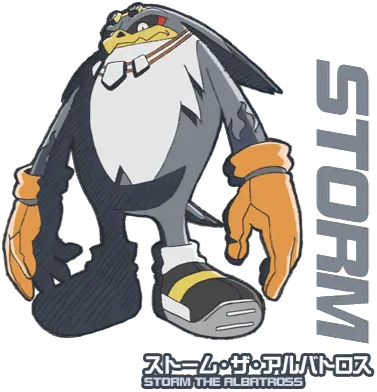
Storm the AlbatrossNew · Power · Babylon muscle
Jet’s hulking right-hand man: fiercely loyal, quick-tempered, short on brains and patience, and prone to stuttering when flustered.
Loses his board to Sonic in the opening heist and races Ice Factory in the Babylon Story.
Power class
Rides the Type-S board
Amy RoseSpeed
Sonic’s self-appointed girlfriend.
Joins the Grand Prix, then grabs hold of Eggman’s ship and ends up his hostage at Babylon Garden.
Speed class; rides Pink Rose.
Dr. EggmanPower · Organiser
Sonic’s arch-enemy, voiced in the cutscenes by Mike Pollock; most of his in-race lines are Deem Bristow’s recordings from Sonic Adventure 2.
Runs the EX World Grand Prix as a scheme to collect the Chaos Emeralds and steal the Babylonian treasure.
Power class; unlockable.
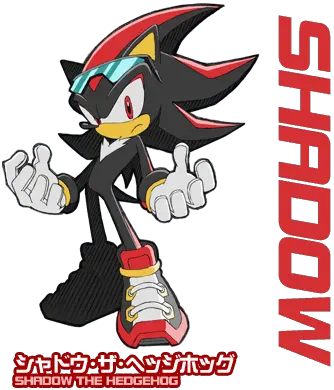
Shadow the HedgehogSpeed · Unlockable
The Ultimate Lifeform.
Not part of the story; an extra racer.
Speed class.
Rouge the BatFly · Unlockable
Treasure hunter and spy.
An extra racer.
Fly class.
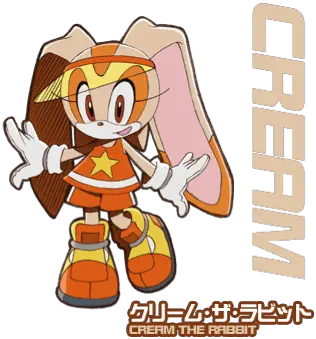
Cream the RabbitFly · Unlockable
A polite young rabbit, with her Chao, Cheese.
An extra racer.
Fly class.
E-10000GNew · Power
A green Eggman robot of the new E-10000 series.
Turns up as a rival in Story Mode.
Power class, though in Story Mode it can turn up as any of the three types.
E-10000RNew · Speed
Its red partner. The Japanese website said it was built using parts of Metal Sonic’s engine.
One of Eggman’s robot racers.
Speed class.
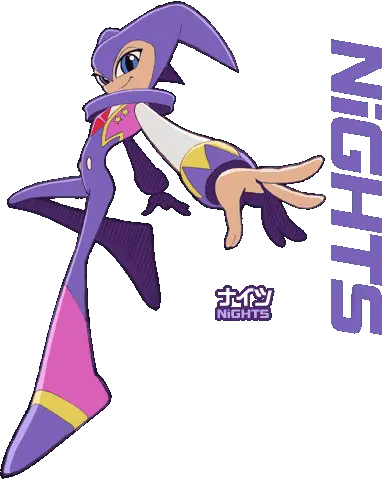
NiGHTSGuest · Fly
The flying dream being from Sonic Team’s NiGHTS into Dreams (1996).
Guest racer.
Fly class.
UlalaGuest · Speed
The dancing space reporter from Space Channel 5, made by the team that later became part of Sonic Team.
Guest racer.
Speed class.
AiAiGuest · Power
The monkey from Super Monkey Ball.
Guest racer.
Power class.
Extreme Gear and the boss
Every racer has a signature board, and the shop sells dozens more, including Sega-themed gear. The game has one boss.
Blue StarSonicSonic’s board.
Type-JJetJet’s board.
Type-WWaveWave’s board.
Type-SStormStorm’s board, which Sonic borrows in the intro.
Yellow TailTailsTails’ board.
Chaos EmeraldSpecial gearListed among the Extreme Gear, though it is a gem, not a board.
Magic CarpetGearA nod to the Babylonian treasure.
Opa-OpaSega gearThe Fantasy Zone ship as a board.
Super Hang-OnSega gearA bike named after Sega’s motorcycle racer.
Channel 5Sega gearSpace Channel 5 styling.
Babylon GuardianFinal raceA giant creature guarding the treasure; the only boss.
The people who made it
Key credits, from Wikipedia’s cited development history and Sonic Wiki Zone’s credits list.
Kenjiro MorimotoDirector and game designerLed the project.
Takashi YudaProducerWanted a racer built around tricks rather than a conventional racing game.
Yuji NakaExecutive producerGave input at the start and advice along the way; he left Sega to found Prope soon after release.
Hiroshi MiyamotoWriterWrote the two-sided story.
Tomonori SawadaSound director and composerWrote “Sonic Speed Riders”, sung by Runblebee, alongside Fumie Kumatani and Kenichi Tokoi.
Production I.GAnimated openingThe anime studio drew the 2D opening, directed by Kazuto Nakazawa.
Now ProductionCo-developerShared development with Sonic Team.
How it was made
Our original page was an infobox only, so this history is new, pieced together from Wikipedia’s cited interviews and Sonic Retro’s research.
Who built it
Riders came from the corner of Sonic Team that, according to Sonic Retro, had been United Game Artists, the studio behind Space Channel 5, which explains why Ulala turns up as a guest racer; Sonic Retro also credits Now Production as a developer. Kenjiro Morimoto directed and Takashi Yuda produced a game planned for Sonic’s 15th birthday, with a 2D anime opening from Production I.G and a target of 60 frames per second.
Above them sat Yuji Naka, Sonic’s co-creator, as executive producer. Riders was the last Sonic game to come out before he left Sega, shortly after its release, to start his own studio, Prope.
Why hoverboards?
Yuda’s starting point was a request Sonic Team had heard ever since Sonic R: make another racer. He enjoyed Traveller’s Tales’ game but reckoned Sonic’s own team ought to top it, and an ordinary racing game held no interest for him. The hook was going to be tricks, which ruled out cars. Surfing and snowboarding gave more freedom, and with so much of the action in the air, a board that floats over any surface settled it. On paper it was a game for two crowds, Sonic fans and extreme-sports players, with the party modes thrown in for people who were neither.
Air pirates
Storm the Albatross.Image via Sonic Retro
Borrowing from earlier Sonic games was off the table, Yuda says. What the team wanted to race against was a band of “air pirates”, and the Babylon Rogues were the result; in his view a gang like that suits a racer better than the usual Sonic cast, whose characters tend to be written for a single story.
Music
Fumie Kumatani and Kenichi Tokoi wrote much of the techno-flavoured score under sound director Tomonori Sawada. Runblebee sang both vocal themes, “Sonic Speed Riders” and “Catch Me If You Can”, and the album Speedbeats Grand Prix followed in Japan on 16 March 2006.
Reveal and release
A Japanese advert.
Famitsu broke the news in September 2005 and the game was playable at the Tokyo Game Show that month; previewers enjoyed it, though several were already uneasy about the handling. North America had it first, on 21 February 2006, two days ahead of Japan, and Europe followed on 17 March. Sonic Retro notes that American Xbox copies briefly came with a free Sonic X DVD.
The PC version arrived in November; it was never sold in Japan, yet its menus still offer Japanese text and voices. Sega also made a PlayStation 2 trial disc, and BradyGames and Shogakukan published strategy guides.
The handheld that got away
A Game Boy Advance version, sometimes called Sonic Extreme, was meant to launch with the console games. Backbone Entertainment spent around three months on it, and artist Keith Erickson remembered an engine in the style of Out Run. It fell apart when Sega of Japan asked for more 3D on the same deadline, a rewrite Backbone decided was beyond it, and the handheld game was dropped.
Firsts: what this game introduced
What Sonic Riders brought to the series.
1Extreme GearThe hoverboards, skates and bikes that returned in Zero Gravity, Free Riders and, in 2025, Sonic Racing: CrossWorlds.
2The Babylon RoguesDebut of Jet the Hawk, Wave the Swallow and Storm the Albatross.
3E-10000 robotsEggman’s E-10000G and E-10000R also made their first appearance here.
4Sega guest racersNiGHTS, Ulala and AiAi raced alongside Sonic’s cast, with Sega-themed tracks and gear.
5A 15th-anniversary gameMade to celebrate Sonic’s 15th birthday, and Sonic Team’s first big Sonic racer since Sonic R.
Cheats & secrets
Our original page had no secrets section, so this one is new. Riders hides its extras behind progress rather than codes.
Unlock the Babylon Story
Win every race of the Heroes Story to open the Rogues’ side of the tale, whose courses are tougher versions of the tracks you know. Beating both stories opens up more racers and courses.
Mission Mode
A hundred missions, each with a goal and a time limit, award bronze, silver or gold medals. Medals unlock new characters and special Extreme Gear.
Super Sonic
Super Sonic counts as all three classes at once. He starts a race with 30 rings, and if he runs out he needs only one ring to transform again.
A free taxi ride
Sega Carnival hides a lift. Where the big sign in the Crazy Taxi city points right, take the narrow opening on the left instead, and Axel, the Crazy Taxi driver, drops you off close to the finish line. Check the replay for his own spectacular exit.
The shop
Rings from your races buy new Extreme Gear, from bikes to Sega-themed boards.
Checked against Wikipedia and Sonic Retro, November 2026.
Glitches, exploits and oddities
Nothing game-breaking is documented in our sources, but Sonic Retro has spotted several oddities.
Amy’s quick change
Amy in her racing outfit.
Continuity slips: Amy appears in her everyday red dress just before the Babylon Guardian showdown, then lines up for the race in pink racing kit.
The wrong exhaust
Watch the exhaust trails in the Heroes Story’s CG opening: Storm’s Type-S burns green, the colour of a level-1 board, yet glows blue once Sonic has stolen it, and Wave’s Type-W makes the same green-to-blue jump the moment Storm hitches a ride.
Rouge’s eyelids
Rouge’s map icon gives her pink eyelids, against the blue of her official artwork; Sonic Retro suspects the icon was lifted from older art.
Miles per what?
Take the on-screen speed readout literally as miles per hour and Eggman on foot would hit 150 going forwards and 20 in reverse, which is why Sonic Retro doubts the unit.
Videos & media
IGN’s 2006 trailer, and a complete playthrough of both stories.
Period trailer, from IGN.
A complete playthrough from FCPlaythroughs.
Trivia & facts
Wave in 3D.Wave’s English voice actress, Bella Hudson, also voiced Blaze the Cat, and some of Wave’s clips are recycled from Blaze’s lines in Sonic Rush.
Deem Bristow, the long-time English voice of Eggman, had died before Riders came out; Mike Pollock voiced the cutscenes, while most in-race lines reuse Bristow’s Sonic Adventure 2 recordings.
Sonic Retro notes that the Babylon Rogues’ emblem is a magic lamp ringed by wind markings, a hint at genie ancestry.
Nintendo Power broke the news that AiAi would race, and many fans refused to believe it until Sega confirmed it. The same magazine started a false rumour that Mario would be playable on GameCube.
Metal City.Watch the camera fly-by at the start of a Metal City race: one billboard shows Sonic fleeing the whale from Sonic Adventure, next to his artwork from Sonic Heroes.
The Heroes Story’s opening cutscene has a faint version of the Future City theme playing before the Rogues interrupt; it later became the music for Sega Carnival.
The PlayStation 2, Xbox and PC discs hold both English and Japanese voices; the GameCube disc only has room for one, so Western copies speak English and Japanese ones Japanese.
Media & artwork
Box art, artwork and screenshots from Sonic Scene’s own galleries, with a few extras from Sonic Retro. Select any image to view it larger.
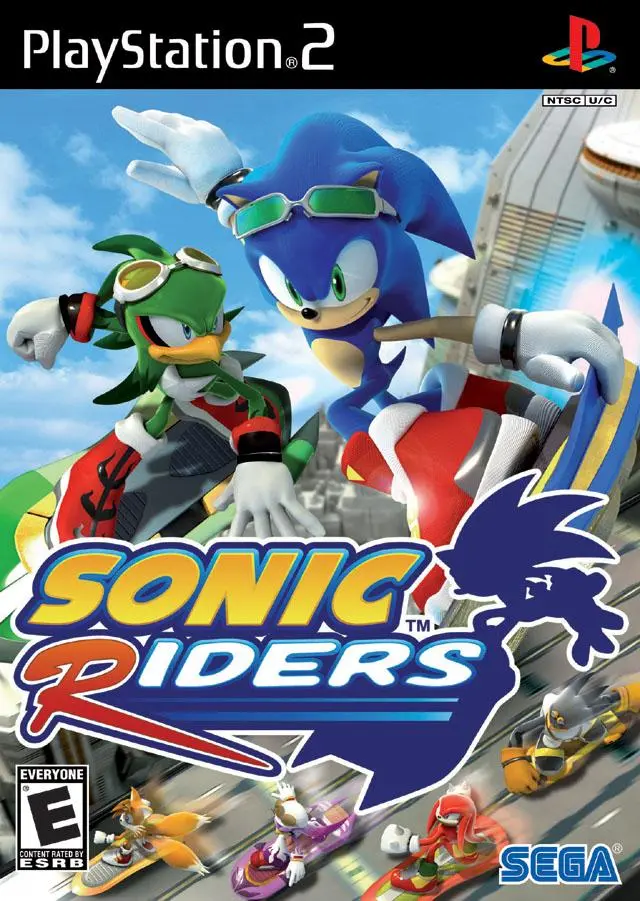
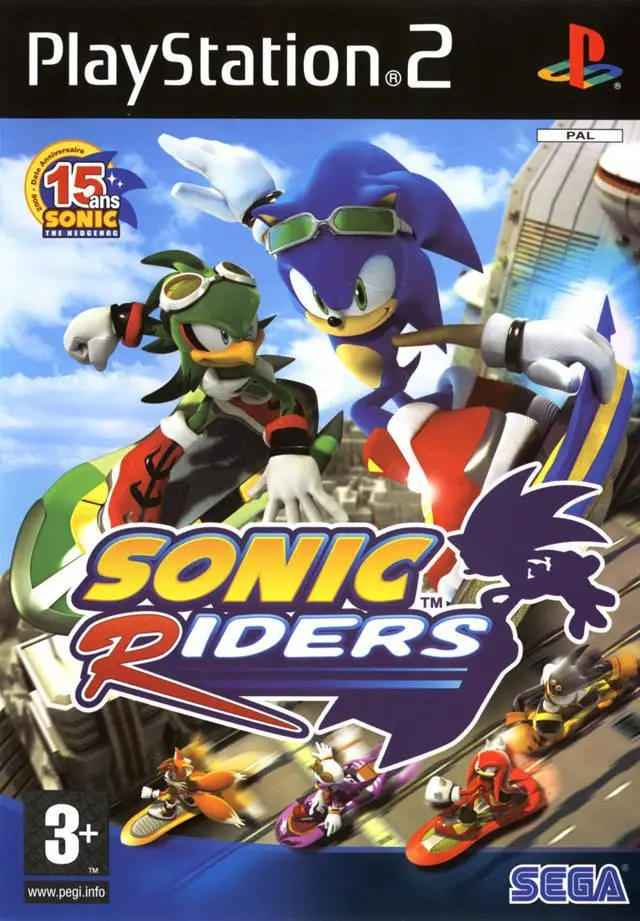
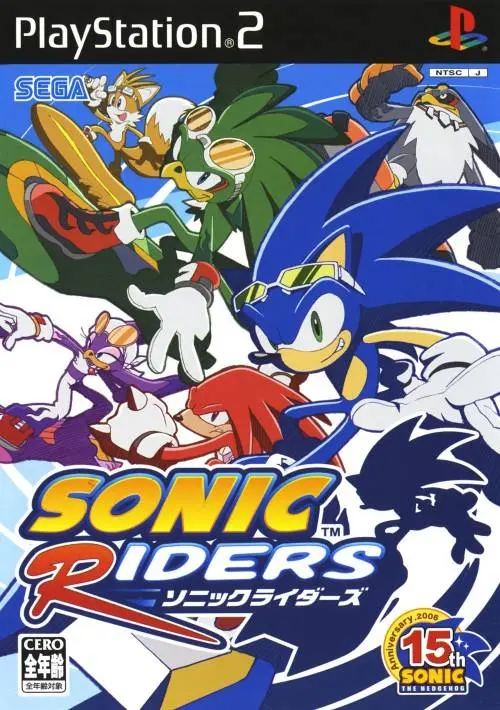
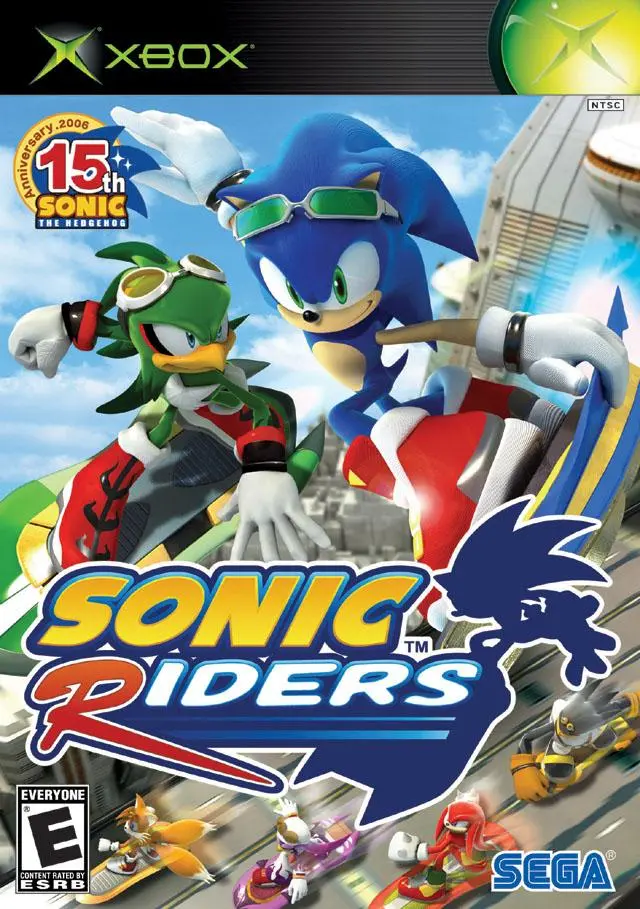
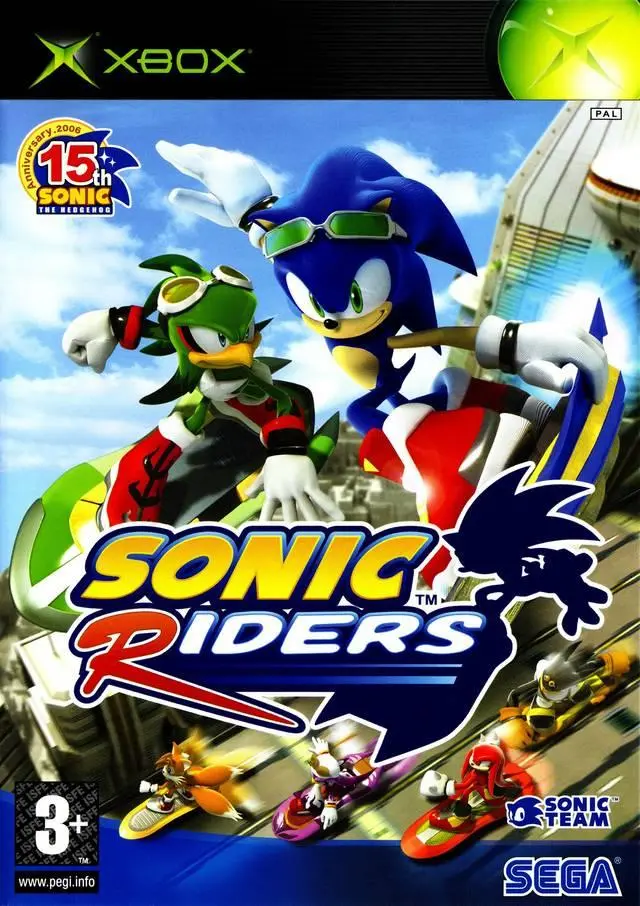
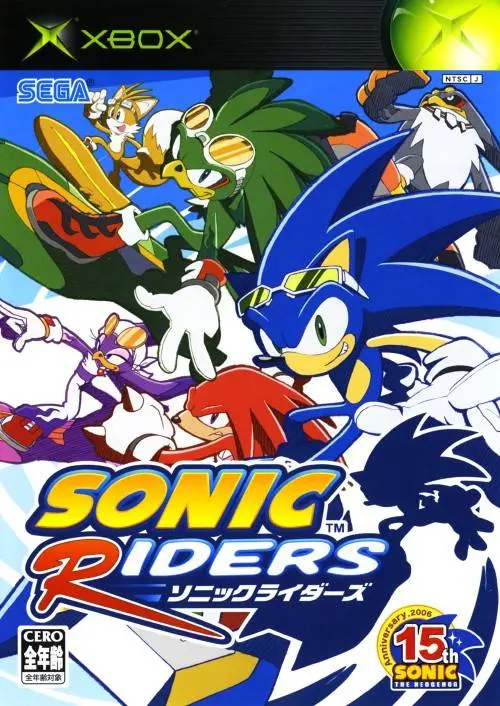
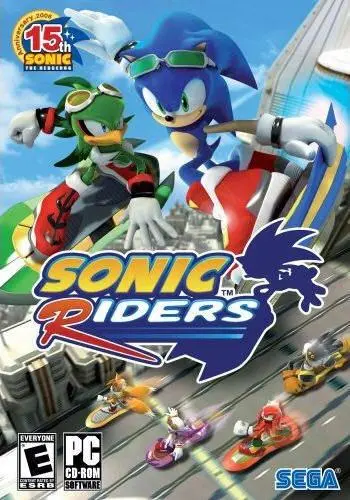
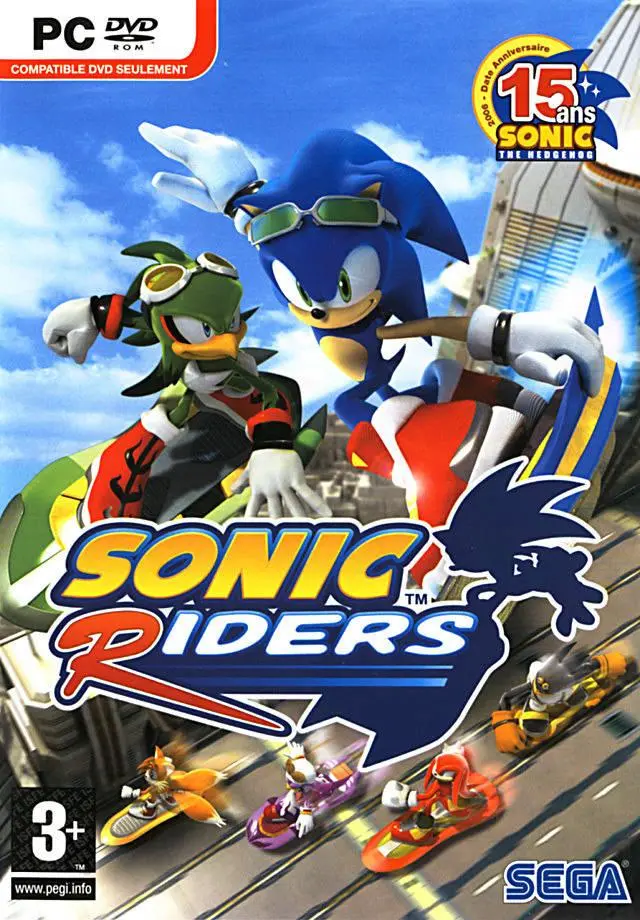
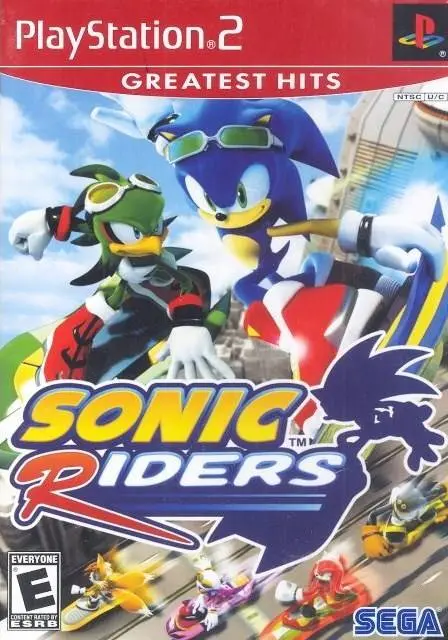
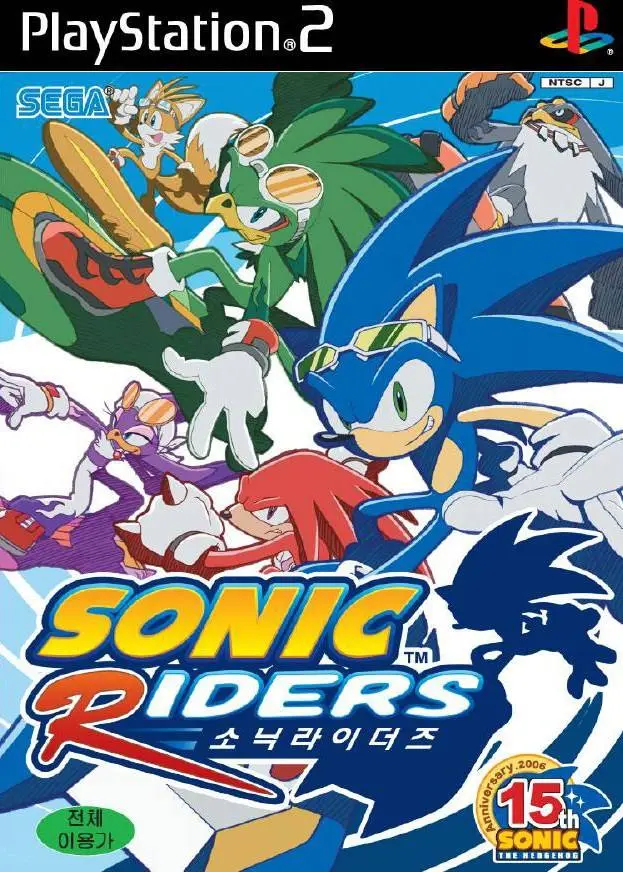
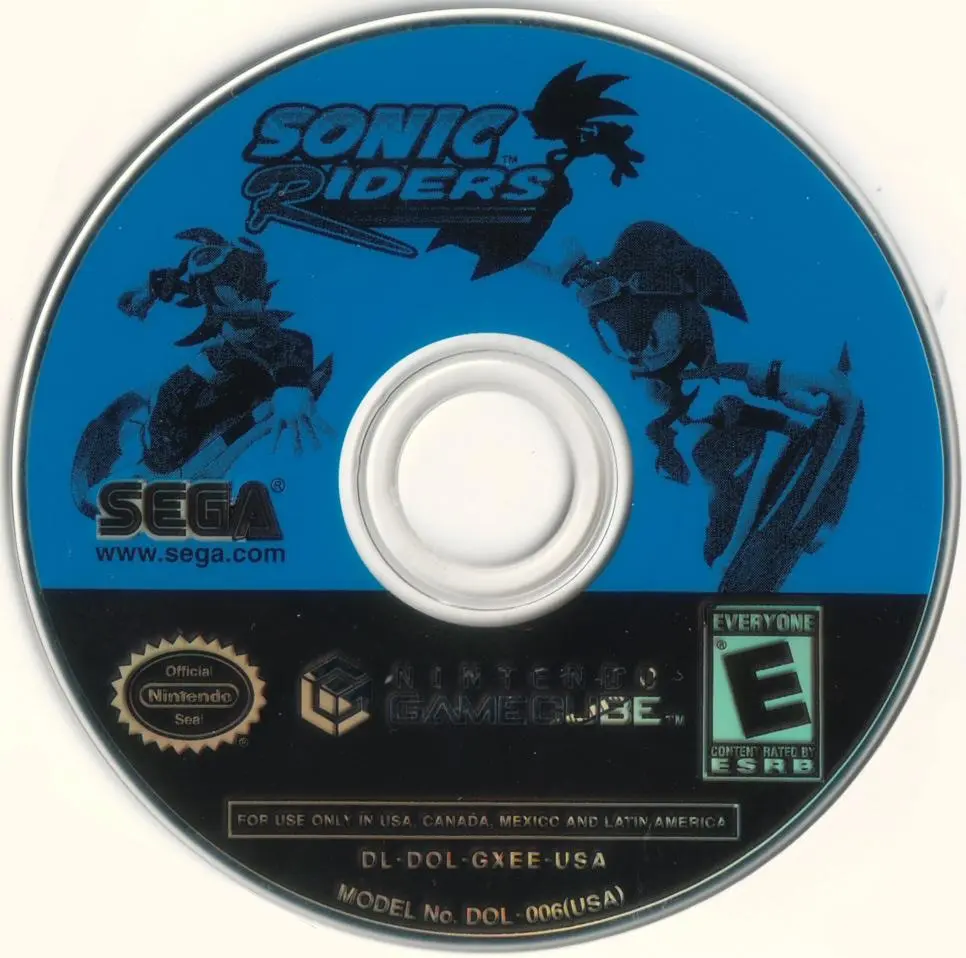
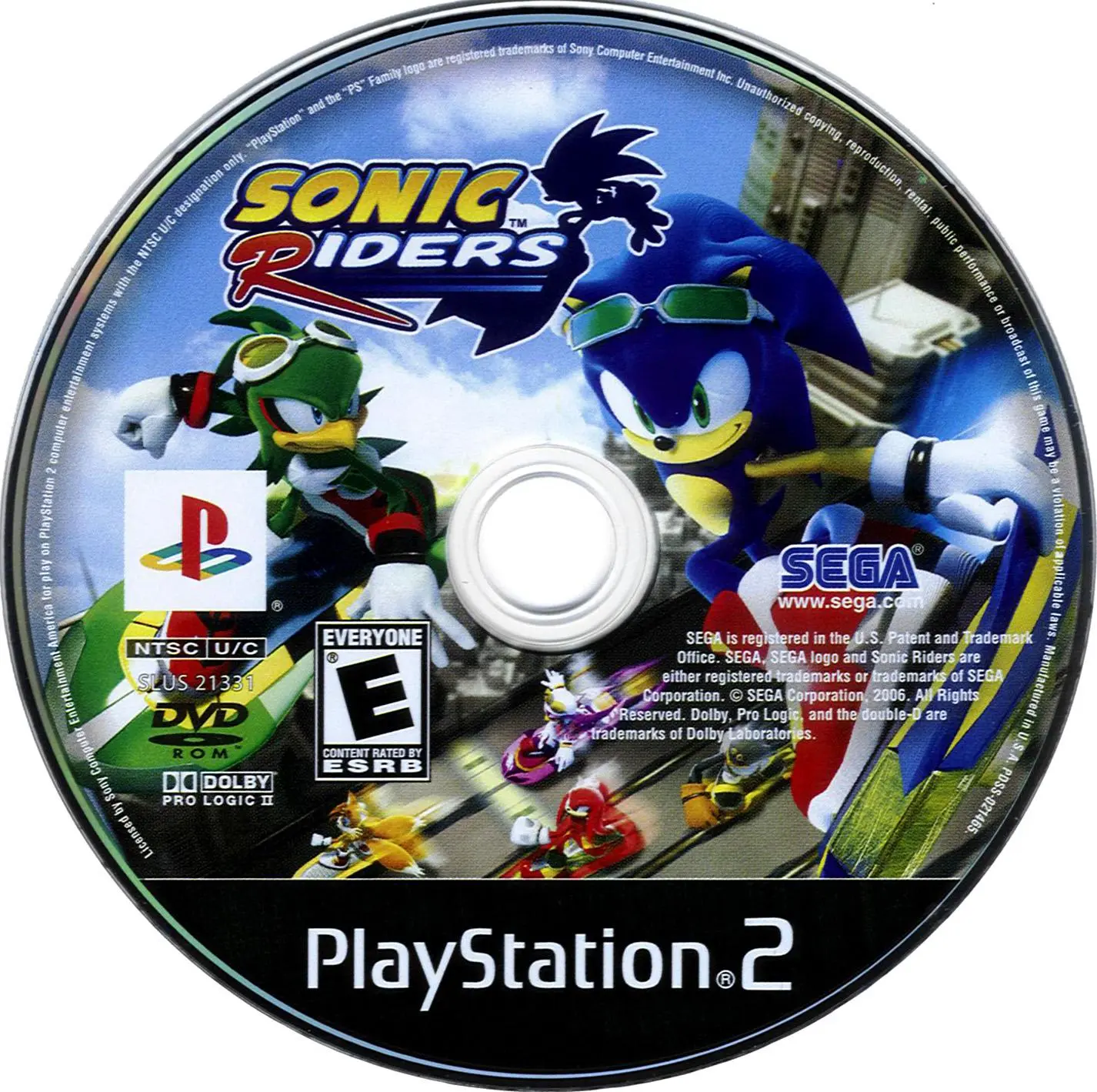
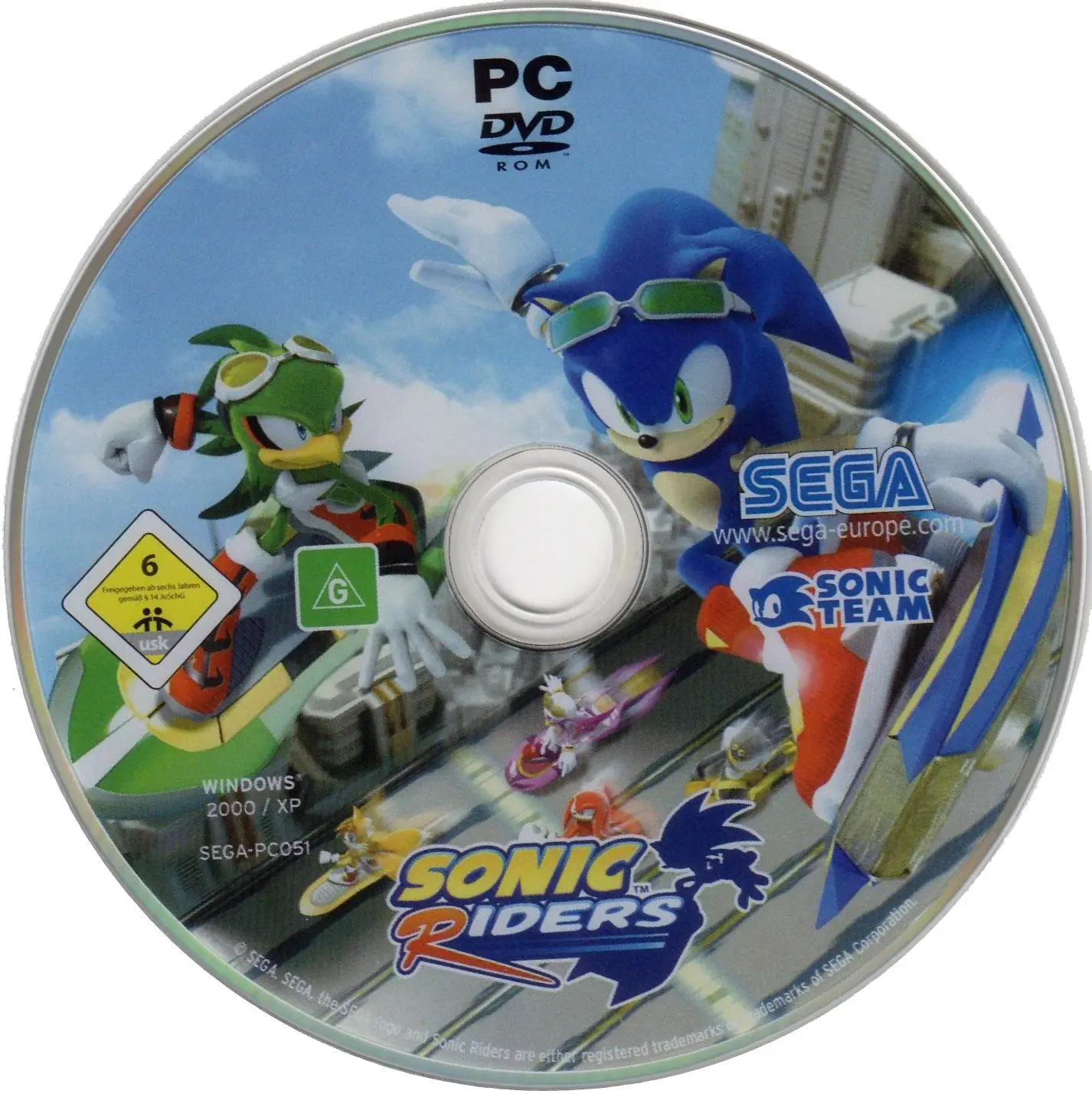
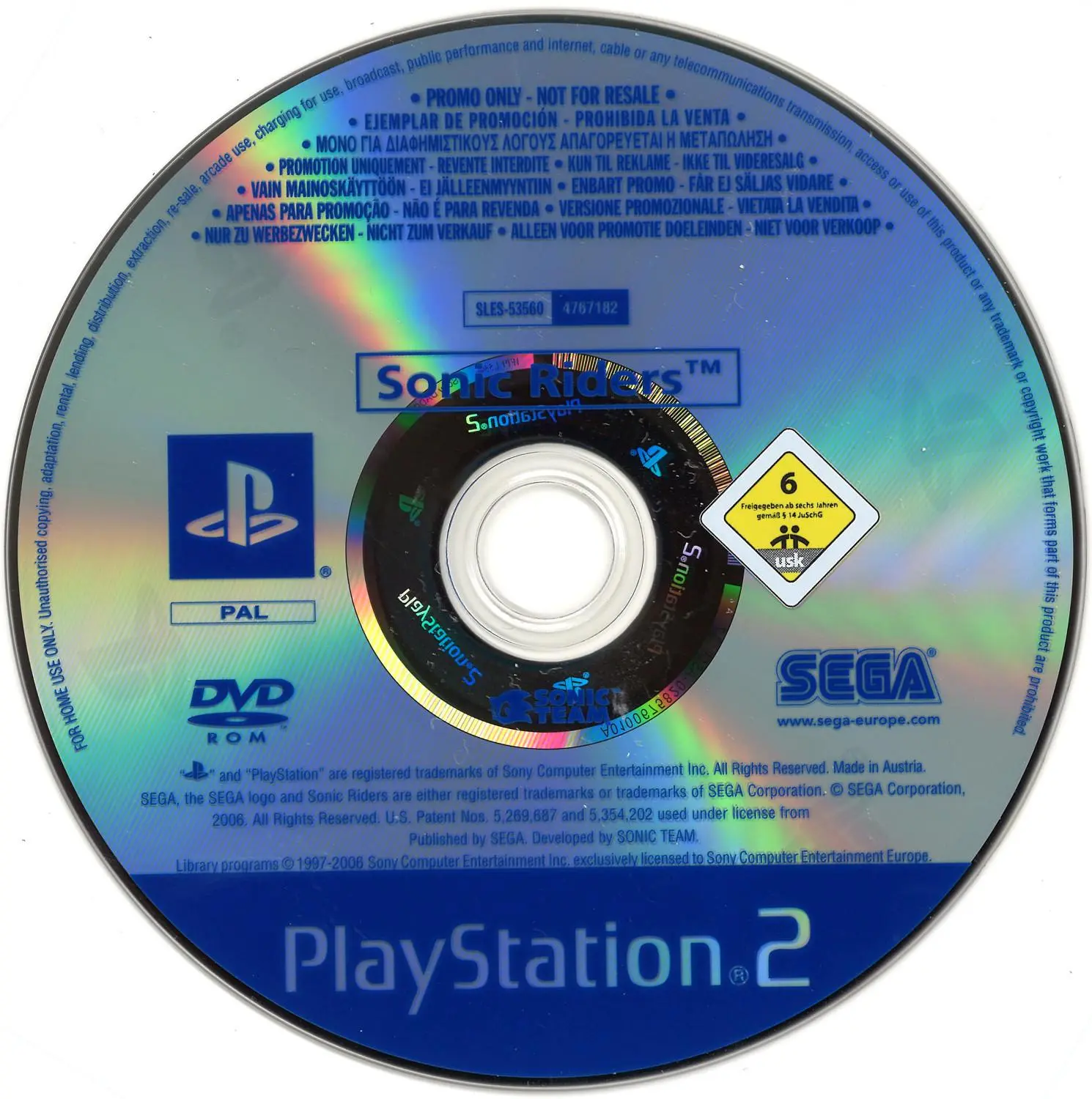
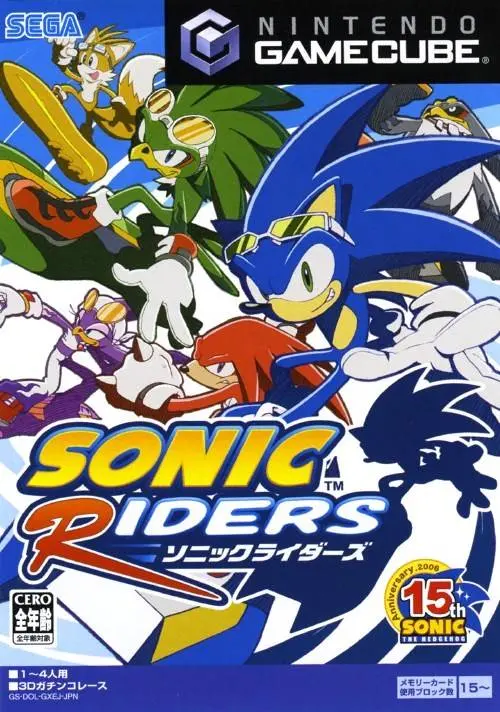
North American GameCube box.Back of the North American GameCube box.Japanese GameCube box.North American PlayStation 2 box.European PlayStation 2 box.Japanese PlayStation 2 box.North American Xbox box.European Xbox box.Japanese Xbox box.North American PC box.European PC box.Greatest Hits PlayStation 2 box.Korean PlayStation 2 box.GameCube disc.PlayStation 2 disc.Xbox disc.European PC disc.PlayStation 2 promo disc.The logo.Sonic, CG render.Jet in 3D.Knuckles in 3D.Archie Sonic #164.Title screen.Trial version title screen.Trial version instructions.At full speed.Amy on track.Press screenshot.Press screenshot.Dual Towers.Snow Valley.Space Theater.
Riders sold well enough for Takashi Yuda to promise a follow-up, and it started a sub-series of its own.
Releases and re-releases
GameCube, PlayStation 2 (North America)21 February 2006 – Launch.
GameCube, PlayStation 2, Xbox (Japan)23 February 2006 – ¥5,800 each.
Europe17 March 2006 – All three consoles (Xbox on 16 March in Germany).
AustraliaMarch 2006 – PlayStation 2 and GameCube on the 23rd; Xbox on the 23rd or 30th, depending on the source.
Windows PCNovember 2006 – North America in mid-November, Europe 24 November.
Player’s Choice and Greatest Hits2006–2007 – North American budget re-releases on GameCube and PlayStation 2.
Sonic PC Collection1 October 2009 – The PC version in a PAL compilation.
Zero Gravity, Free Riders and CrossWorlds
Sonic Riders: Zero Gravity followed in 2008 on Wii and PlayStation 2, swapping the air tank for gravity powers, and Sonic Free Riders launched with Kinect in 2010. After that, Extreme Gear sat on the shelf until Sonic Racing: CrossWorlds brought it back in 2025 as a vehicle choice.
A familiar-looking demo
In 2011 a 2003 Xbox tech demo called Sonic Extreme leaked: Vision Scape Interactive’s pitch for a skateboarding-style game with Sonic and Shadow on hoverboards. Its makers said they were stunned by how much Riders resembled it, but their agreement with Sega gave Sega the rights to the idea.
Sales & reviews
Sales
Riders was a hit. The GameCube version was the system’s second best-seller at launch and stayed in the top ten until June 2006. Sega counted 930,000 sales in 2006, plus 560,000 more in North America up to March 2007, about 1.49 million in all, and the GameCube and PlayStation 2 versions joined the Player’s Choice and Greatest Hits ranges.
1.49mCopies sold, by Sega’s figures
2ndGameCube best-seller at launch
63%Average of the nine outlets below, across formats
59%Metacritic, GameCube
Reception and review scores
Period magazine scores from Sega Retro’s review index, which links each score to its source.
Game StationUK · GameCube
80%
Nintendo PowerUS · GameCube
80%
NGC MagazineUK · GameCube
75%
HyperAustralia · all consoles
65%
GameProUS · Xbox
63%
Electronic Gaming MonthlyUS · all consoles
52%
PlayStation 2 Official MagazineUK · PlayStation 2
50%
Xbox: The Official MagazineUS · Xbox
50%
Official Xbox MagazineUK · Xbox
49%
Almost everyone agreed on the thrill. The sense of speed reminded Eurogamer of the Mega Drive games, IGN summed it up as speed and anarchy, and GameSpot picked out riding in other racers’ turbulence as the cleverest idea, while GamePro, enjoying the ride, said it felt more like a rollercoaster than a game. The colourful look and cast won people over too, even if blurry textures and dips in frame rate did not go unnoticed.
Control was the sticking point. A single clipped corner could kill a race, floaty physics caused cheap crashes in GamesRadar’s view, and Eurogamer thought the systems convoluted. Pit stops felt out of character for Sonic, IGN saw the whole thing as stuck halfway between a racer and a snowboarding game, and the PC port later drew complaints of its own about performance.
Honours
Nintendo · North AmericaPlayer’s ChoiceGameCube budget re-release.
Sony · North AmericaGreatest HitsPlayStation 2 budget re-release.
Reader reviews
No reader reviews yet. Played it? Give it a score out of 10 and tell other fans what you think.
Every fact on this page was checked against the sources below. Sonic Retro and Sega Retro were read through Wayback Machine copies from 2025, because both live sites show a bot check; each link opens the copy we read. Magazine scores come from Sega Retro’s review index.
To provide the best experiences, we use technologies like cookies to store and/or access device information. Consenting to these technologies will allow us to process data such as browsing behavior or unique IDs on this site. Not consenting or withdrawing consent, may adversely affect certain features and functions.
Functional
Always active
The technical storage or access is strictly necessary for the legitimate purpose of enabling the use of a specific service explicitly requested by the subscriber or user, or for the sole purpose of carrying out the transmission of a communication over an electronic communications network.
Preferences
The technical storage or access is necessary for the legitimate purpose of storing preferences that are not requested by the subscriber or user.
Statistics
The technical storage or access that is used exclusively for statistical purposes.The technical storage or access that is used exclusively for anonymous statistical purposes. Without a subpoena, voluntary compliance on the part of your Internet Service Provider, or additional records from a third party, information stored or retrieved for this purpose alone cannot usually be used to identify you.
Marketing
The technical storage or access is required to create user profiles to send advertising, or to track the user on a website or across several websites for similar marketing purposes.



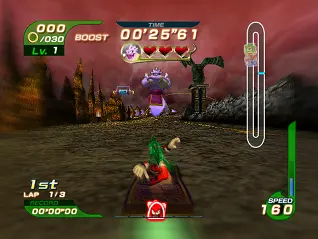
 Night ChaseBabylon 1 · JetThe first race of the Rogues’ story, paired with Metal City.
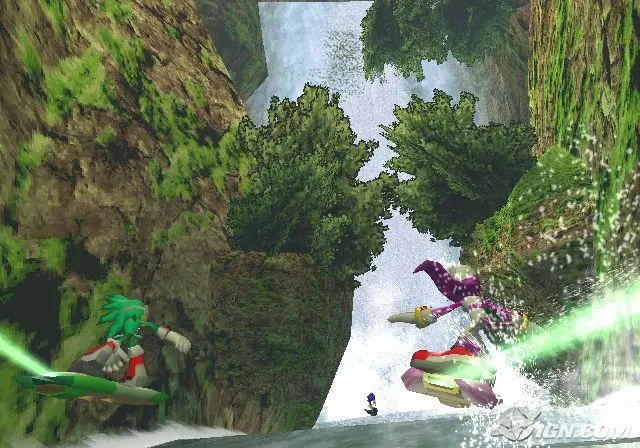 Splash CanyonHeroes 2 · TailsTails takes the wheel, or rather the board, for the second Heroes race.
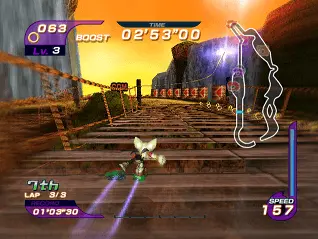 Red CanyonBabylon 2 · WaveWave’s first story race, paired with Splash Canyon.
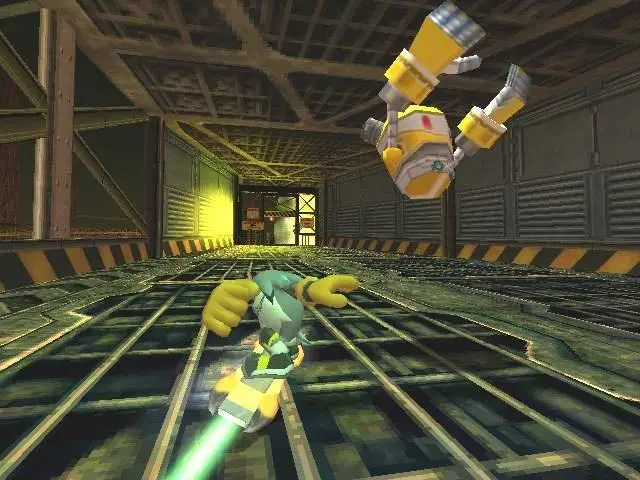 Egg FactoryHeroes 3 · KnucklesEggman’s robot plant, where purple E-10000P robots are still in production and an E-10000Y flies about.
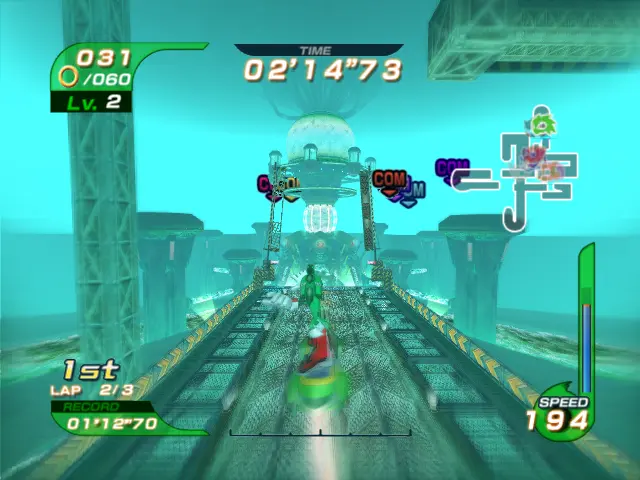 Ice FactoryBabylon 3 · StormThe factory frozen over, which halts the E-10000P line; an E-10000Y tries to thaw it.
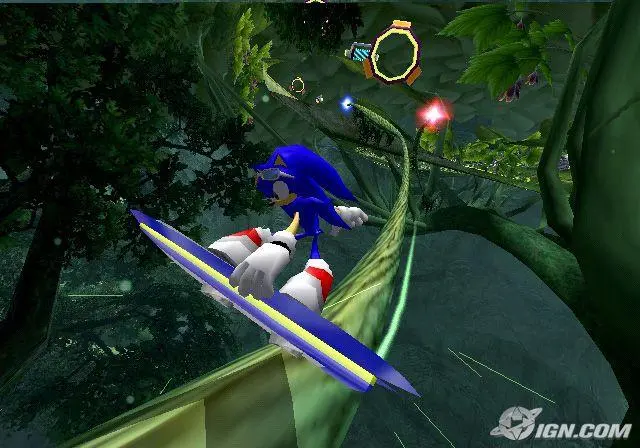 Green CaveHeroes 4 · TailsTails’ second Heroes race.
 White CaveBabylon 4 · JetJet’s run through the caves, paired with Green Cave.
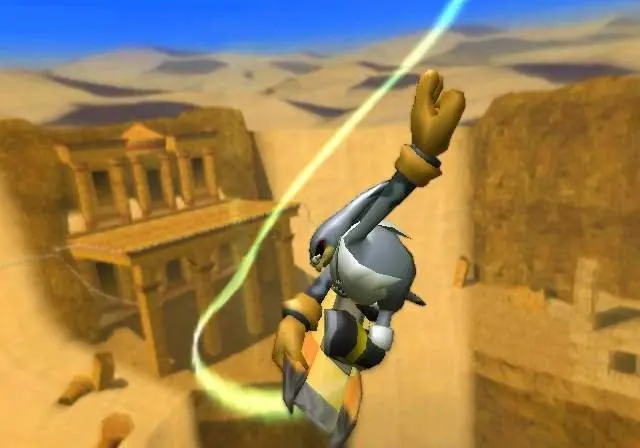 Sand RuinsHeroes 5 · SonicThe penultimate Heroes race, back in Sonic’s hands.
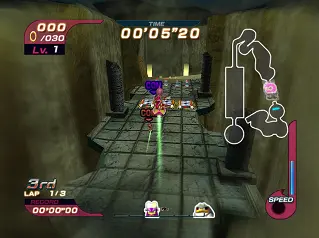 Dark DesertBabylon 5 · JetPaired with Sand Ruins; Jet again.
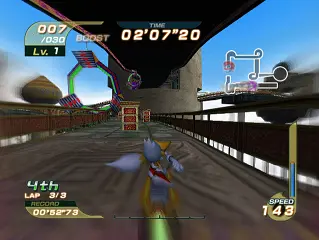 Sky RoadBabylon 6 · WaveWave’s second story race, paired with Babylon Garden.
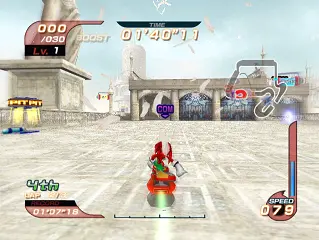 Digital DimensionExtra courseThe one additional course outside the two stories.
 Sega CarnivalNostalgia courseOne of two nostalgia courses: Samba de Amigo’s Amigo plays the maracas, and a Crazy Taxi city hides a secret.
 Sega IllusionNostalgia courseThe second nostalgia course, with Opa-Opa from Fantasy Zone as enemies.
 Archie Sonic the Hedgehog #163–164Archie Comics · June–July 2006A two-part adaptation of the game, drawn to match the look of its animated opening.
 Sonic X DVD bundleBonus disc · 2006For a short time, North American copies came with a bonus Sonic X DVD.
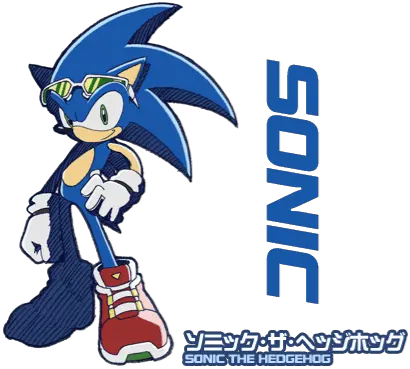 Sonic the HedgehogSpeed · Heroes Story
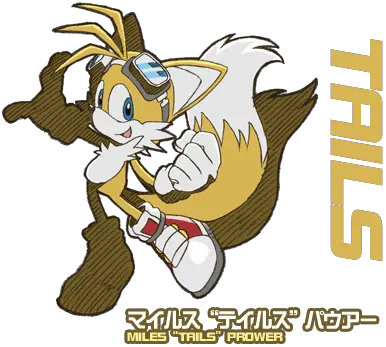 Miles “Tails” ProwerFly · Heroes Story
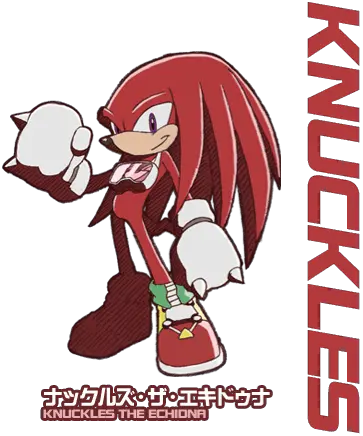 Knuckles the EchidnaPower · Heroes Story
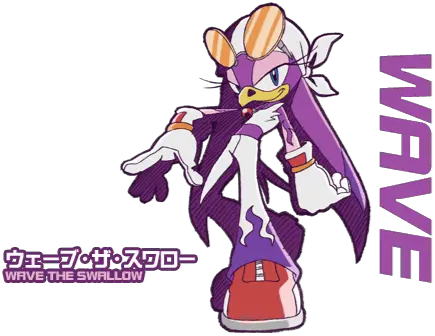 Wave the SwallowNew · Fly · Babylon mechanic
 Storm the AlbatrossNew · Power · Babylon muscle
 Amy RoseSpeed
 Dr. EggmanPower · Organiser
 Shadow the HedgehogSpeed · Unlockable
 Rouge the BatFly · Unlockable
 Cream the RabbitFly · Unlockable
 E-10000GNew · Power
 E-10000RNew · Speed
 NiGHTSGuest · Fly
 UlalaGuest · Speed
 AiAiGuest · Power
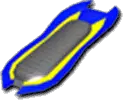 Blue StarSonicSonic’s board.
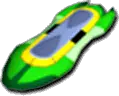 Type-JJetJet’s board.
 Type-WWaveWave’s board.
 Type-SStormStorm’s board, which Sonic borrows in the intro.
 Yellow TailTailsTails’ board.
 Chaos EmeraldSpecial gearListed among the Extreme Gear, though it is a gem, not a board.
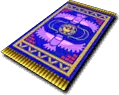 Magic CarpetGearA nod to the Babylonian treasure.
 Opa-OpaSega gearThe Fantasy Zone ship as a board.
 Super Hang-OnSega gearA bike named after Sega’s motorcycle racer.
 Channel 5Sega gearSpace Channel 5 styling.
 Babylon GuardianFinal raceA giant creature guarding the treasure; the only boss.