One stray laser, one shattered Chaos Emerald and a brand-new Eggman fortress. The Game Gear’s final Sonic platformer pairs Sonic with Knuckles and dresses them both in pre-rendered 3D.
ReleasedNov 1996 (US) · 28 Nov 1996 (UK) · 13 Dec 1996 (JP)
DeveloperAspect, for Sega
Japanese titleG Sonic
ZonesFive, three acts each
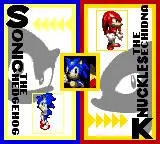
PlayableSonic or Knuckles
A lastThe final Game Gear Sonic platformer
Title
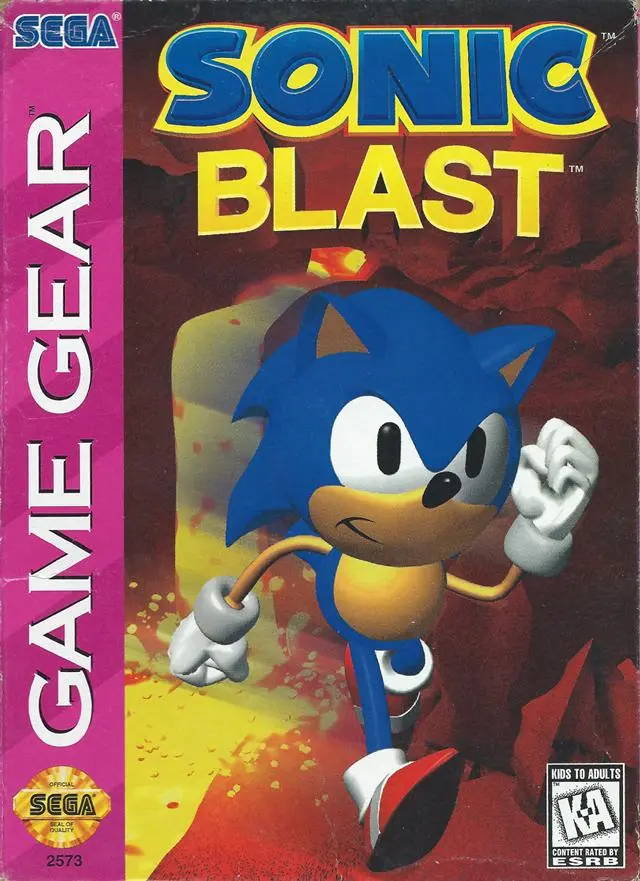
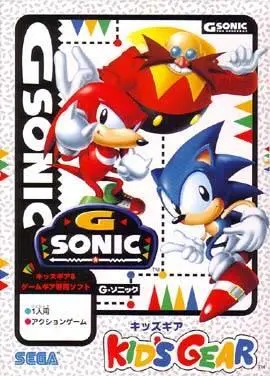
Sonic Blast Japan: Gソニック (G Sonic), on Sega’s Kid’s Gear label
Platforms
Sega Game Gear; Sega Master System in Brazil only
Developer
Aspect
Publisher
Sega (Sega of America in North America); Tec Toy for the Brazilian Master System version
Producer
Hiroshi Aso
Director
Ryushin Hamada
Planning
Katsunori Murakami, Hiroaki Suzuki; map design by Akira Okamoto and Ken Sasaki
Programming
Toshiaki Araki (chief), Yoshiaki Makishima
Art
Fumikazu Sugawara (chief designer), Taro Murayama
Music
Kojiro Mikusa
Players
1
Released (North America)
Game Gear: November 1996 (US$34.99); Sega announced the launch in a press release dated 14 November
Released (Europe)
Game Gear: November 1996; 28 November 1996 in the UK
Released (Japan)
Game Gear: 13 December 1996 as G Sonic (¥4,800, G-3385)
Released (Brazil)
Master System: December 1997 (Tec Toy)
Virtual Console
Nintendo 3DS (Game Gear version): 18 April 2012 (Japan), 14 June 2012 (Europe), 20 June 2013 (North America)
Collections
Sonic Adventure DX: Director’s Cut (2003), Sonic Mega Collection Plus (2004), Sonic Origins Plus (2023)
Sonic Blast is where the Game Gear Sonic story ends. Released at the end of 1996, it was the last of Aspect’s Sonic games, the final Sonic platformer on Sega’s handheld, and in Japan it went out under the name G Sonic. A year later Tec Toy squeezed it onto the Master System for Brazil, making it the last Sonic on that console too.
Its big idea was borrowed from Donkey Kong Country. Instead of drawing Sonic pixel by pixel, the artists modelled the cast in 3D and turned the renders into sprites, the same trick Sega was using that season for the similarly named but entirely separate Sonic 3D Blast. Tails is gone; in his place comes Knuckles, gliding and climbing just as he did on the Mega Drive, while Sonic gets a mid-air double jump.
The price of all that detail was the view. The heroes are so big that the Game Gear screen shows only a sliver of each level, which is why Sonic Blast has the shakiest reputation of any 8-bit Sonic. It is still worth a look: few games pushed the little handheld this hard, and the Special Stages are a bright, fast take on the Sonic 2 formula.
Sonic or Knuckles? Pick your hero.Green Hill, pre-rendered.A Special Stage.
The bald dome and walrus shape moustache are a total giveaway
That is how Sega of America’s Game Gear manual describes the island that has just surfaced off Sonic’s home. It turns out to be another of Robotnik’s floating bases, built to lure Sonic in, finish him off and then gather the Chaos Emeralds; Sonic and Knuckles decide to storm it anyway.
— Official description: Sega of America, Sonic Blast Game Gear instruction manual (1996), story page, as transcribed by Sonic Retro. One line quoted; the rest summarised.
Quick Answers
The short answers, with the detail further down the page.
When did Sonic Blast come out?
On the Game Gear in North America in November 1996, in the UK on 28 November 1996 and in Japan on 13 December 1996, where it was called G Sonic. A Master System version followed in Brazil in December 1997. More →
Is Sonic Blast the same game as Sonic 3D Blast?
No. The two came out in the same season and both used pre-rendered graphics, but they were made by different studios and play nothing alike. Sonic Blast is a side-scrolling Game Gear platformer; Sonic 3D Blast is an isometric Mega Drive and Saturn game. More →
Who made Sonic Blast?
Aspect, the Japanese studio behind the Game Gear Sonic games since 1992. It was the studio’s last Sonic game. Sega published it, and Tec Toy handled the Brazilian Master System release. More →
Who can you play as?
Sonic, who has a double jump, or Knuckles, who can glide and climb walls. Tails does not appear. More →
How do the Chaos Emeralds work?
A single Emerald has shattered into five shards. Giant Rings hidden in Acts 1 and 2 of every zone lead to Special Stages, but only the Act 2 stages hold a shard; the Act 1 stages pay out an extra life. More →
How many zones are there?
Five, from Green Hill to Silver Castle, each with two full acts and a short boss act. More →
Is there a level select?
Yes, on the Game Gear. At the title screen press Up, Up, Up, Down, Down, Down, 1, 2, 1, 2, Start. More →
Why is Sonic Blast considered so hard to play?
The big pre-rendered sprites leave little of the level visible on the Game Gear’s small screen, so hazards arrive with almost no warning. Reviewers have also criticised the level design and the slow pace. More →
Where can I play it today?
It is one of the twelve Game Gear games in Sonic Origins Plus (2023). It was also on the Nintendo 3DS Virtual Console and in Sonic Mega Collection Plus. More →
Plot / Story
A story illustration from the Japanese manual.
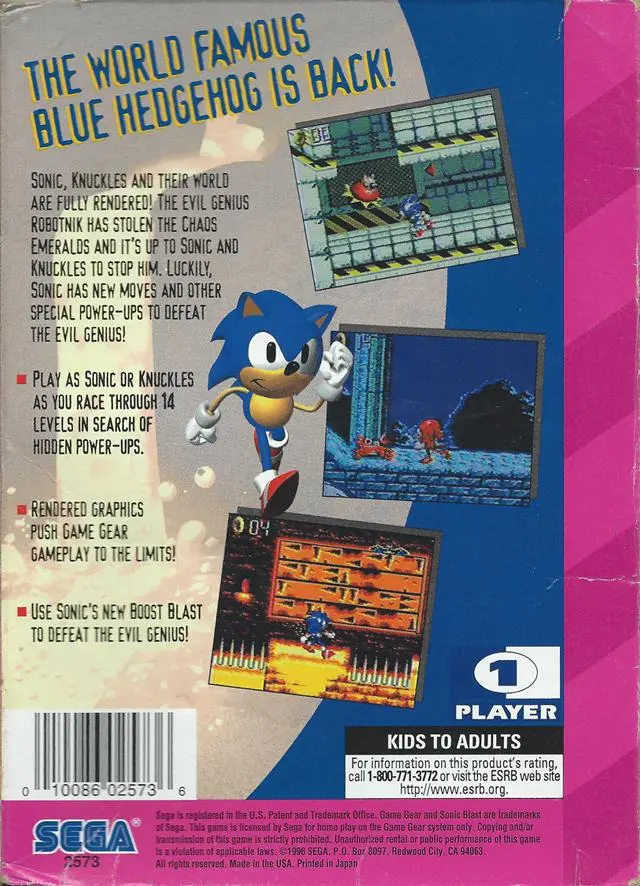
Sonic Blast has the most slapstick opening of any Game Gear Sonic. In the Japanese manual, Sonic is dozing in a hammock strung between palm trees, a Chaos Emerald in his hand, when the gem starts to glow, whirl and finally burst into five glittering pieces that fly off in all directions.
The culprit is Dr. Eggman, and even he did not see it coming: he had fired a beam at the sleeping hedgehog and hit the Emerald instead. Delighted with his luck, he announces a new fortress, Silver Castle, and promises to round up the shards once it is built. What he has not noticed is Knuckles, who has heard every word from behind a tree and has no intention of letting the Emeralds go.
Sega of America told it differently. Its manual skips the hammock and the shattered gem and has a Robotnik-shaped island rise from the sea near Sonic’s home, a floating base stuffed with traps. Either way the answer is the same: Sonic and Knuckles team up and head for the castle.
Five shards and a castle
The shards are hidden behind Giant Rings, tucked into the first two acts of every zone. Both lead to a Special Stage, a run into the screen collecting rings and dodging bombs, but only the Act 2 stages hold a piece of the Emerald; the Act 1 ones are worth an extra life.
Each zone ends with a short boss act in which Eggman tries a new machine, and the trail finishes in Silver Castle. Gather all five shards and the story gets its proper ending; miss one and you see the lesser version.
A Special Stage.The Silver Castle boss.Eggman’s last stand.
Zones in Sonic Blast
Five zones, each a colour, each with two full acts and a short boss act. Finish an act and the Bonus Panel spins, and in this game its prize is pure luck.
Green Hill ZoneActs 1–3 · boss: boomerang Egg MobileA gentle start: Act 1 is short with three loops, and Act 2 carries you through tubes past a run of waterfalls. Watch out for the spinning bridges studded with poles.
Yellow Desert ZoneActs 1–3 · boss: spear-wielding mechDesert dunes outside, Egyptian-style caves inside. Act 2’s ceilings bristle with spikes, which makes Sonic’s double jump a liability, and a warp-hole maze near the end hides a Giant Ring.
Red Volcano ZoneActs 1–3 · boss: wrecking-ball Egg MobileAn active volcano with lava pouring out of the walls. The gadgets carry you through it: Spin Dash-powered lifts, pump-driven platforms over the lava and spring pads, with steam vents waiting to catch you out.
Blue Marine ZoneActs 1–3 · boss: harpoon submarineFlooded ruins built like a maze. Suction tubes whisk you between sections, currents push you back the way you came, and buttons raise and lower the water.
Silver Castle ZoneActs 1–3 · boss: twin-laser Egg MobileEggman’s new fortress. Some teleporters need charging before they work, spike walls chase you down corridors, and sticky yellow floors slow you to a crawl.
The Special Stages sit outside the zones: reach the target number of rings before the course runs out to win the prize.
In comics, TV & other media
Sonic Blast never got a comic or cartoon of its own, but its name has caused confusion ever since. More in Sonic in other movies and media.
Sonic Blast (Archie special)Archie Comics · USArchie’s one-shot of the same name, dated 2 January 1997, is unrelated to this game despite the title.
Sonic 3D BlastMega Drive · Saturn · 1996Released the same winter, with the same love of pre-rendered graphics, but made by a different studio and played from an isometric view. Outside North America it was called Sonic 3D: Flickies’ Island.
A Sonic who got aroundPrototype box artSonic X-treme promotion, Sonic’s Schoolhouse and the first PC box of Sonic CD all reuse the rendered Sonic from this game’s cover art.
Sega Forever’s archiveTwitter · 22 June 2023Sega Forever posted three early box designs for the game, each with a different logo; the third became the European cover.
Characters
A small cast with a new double act: Tails sits this one out, and Knuckles takes his place at Sonic’s side.
Character
Who they are
In this game
Stats & abilities
Sonic the HedgehogPlayable hero
Sega’s blue mascot, here in his last Game Gear platformer. The Japanese manual introduces him as South Island’s hero and the fastest hedgehog alive, the one who wrecks every plan Eggman hatches.
He lost the Emerald in the first place, so the shards are personal. Either hero can collect them and see the better ending.
Double jump: press a button again in mid-air
Spin Dash: hold Down and press a button
Hits cost at most 10 rings
Collects only the 1UPs with his own face
Knuckles the EchidnaPlayable partner
The echidna rival from Sonic 3 and Sonic & Knuckles. The Japanese manual has him butting in because he will not leave the Emeralds to Sonic, then lets slip that what he really wants is to give Eggman a hiding.
The second playable hero, with exactly the moves he had on the Mega Drive. Climbing and gliding open up routes Sonic cannot reach.
Glides through the air
Climbs any wall he glides into
Spin Dash
Collects only the 1UPs with his own face
Dr. EggmanDr. Robotnik in the West
Sega’s moustached mad scientist. His Japanese profile reads like a list of contradictions: the world’s greatest genius and its most evil man, the most vindictive person alive and the biggest bungler, sure he will crush Sonic and sure to be beaten again.
Shatters the Emerald by accident, builds Silver Castle and waits at the end of every zone in a new machine.
Five boss machines, one per zone
Weak spot: the cockpit glass
Builds Silver Castle as his base
Badniks and bosses
Western names, with the Japanese manual’s in brackets where they differ. The pictures are Sega’s artwork from our original gallery.
CoconutsBadnikA robot monkey that hurls nuts (Aiai).
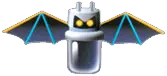
BatbotBadnikA flapping, glowing bat (Halogen).
OctopusBadnikSquirts a cloud of smoke at you.
GolaBadnikWhirls hot fireballs around itself (Gohla).
Egg SaucerBadnikA spinning saw. Touch it and it hurts.
Boomerang Egg MobileBoss · Green HillThrows a boomerang into the corners; only the windscreen takes damage.
Spear mech on a cloudBoss · Yellow DesertA humanoid robot riding a cloud, a nod to Sun Wukong of Journey to the West. Twelve hits.
Wrecking-ball Egg MobileBoss · Red VolcanoBounces up on a spring and swings a ball at you. Eight hits.
Harpoon submarineBoss · Blue MarineAn underwater fight against a sub that fires harpoons.
Twin-laser Egg MobileBoss · Silver CastleFires lasers that bounce off mirrors around an arena on a giant wheel.
The people who made it
Unlike Aspect’s earlier Sonic games, Sonic Blast credits its staff by their real names, and none of the key people from the earlier games are among them.
Hiroshi AsoProducerProduced the game for Aspect.
Ryushin HamadaDirectorDirected the project.
Katsunori Murakami, Hiroaki SuzukiPlannersPlanned the game; Akira Okamoto and Ken Sasaki laid out the maps.
Toshiaki Araki, Yoshiaki MakishimaProgrammingAraki was chief programmer.
Fumikazu Sugawara, Taro MurayamaArtSugawara was chief designer of the pre-rendered graphics.
Kojiro MikusaSound composerWrote the music.
Bill PersonProducer, Sega of AmericaProduced the Western release; Garrett Honn painted the US package illustration.
How it was made
Our original page had no history section, so this one is new, pieced together from Sonic Retro’s prototype research, Sega Retro’s credits and the sources Wikipedia cites.
Donkey Kong Country on a handheld
Red Volcano, rendered in 3D and shrunk to Game Gear size.
Rare’s Donkey Kong Country had made pre-rendered 3D the look of the mid-1990s, and in 1996 two Sonic games chased it at once: Traveller’s Tales’ Sonic 3D Blast on the Mega Drive and Aspect’s Sonic Blast on the Game Gear. Both belonged to a wave of Sonic games made outside Sega that also took in Minato Giken’s Sonic Labyrinth, all arriving as the Game Gear itself was winding down.
On a handheld the approach had costs. Detailed renders meant big sprites with few frames of animation, so the camera sits close and the heroes move stiffly. Several rules bent to fit: there is no timer, and a hit costs ten rings at most rather than the lot. Gameplay ideas came from the Mega Drive, with Sonic & Knuckles as the main influence, while several of Triple Trouble’s Game Gear-only features made way for Special Stages and boss fights of the usual kind.
Seven prototypes
Prototype 611.Screenshot via Sonic Retro
Seven prototype builds have been preserved, known by their date-style labels: 611, 74, 806, 821, 827, 94 and 910. The last, built on 7 September 1996, is identical to the finished cartridge.
The finished game never updated its own label. Like Aspect’s other Sonic games, it stores a build stamp at address $C0, and here it still reads “Ver E3 ROM”, dated 1 May 1996, as if it were the trade-show demo.
Three covers
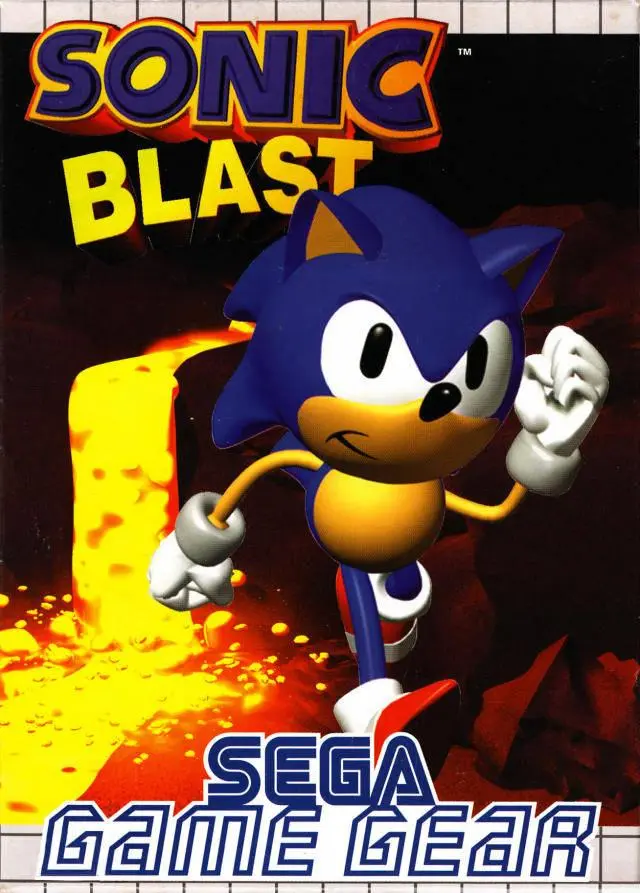
Europe’s box logo comes from a discarded American cover. Sega Forever showed as much in June 2023, when it posted three early North American designs, each with a different logo: the first had already been seen in online promotion at the time, and the logo from the third went on to the European release.
The Brazilian Master System version
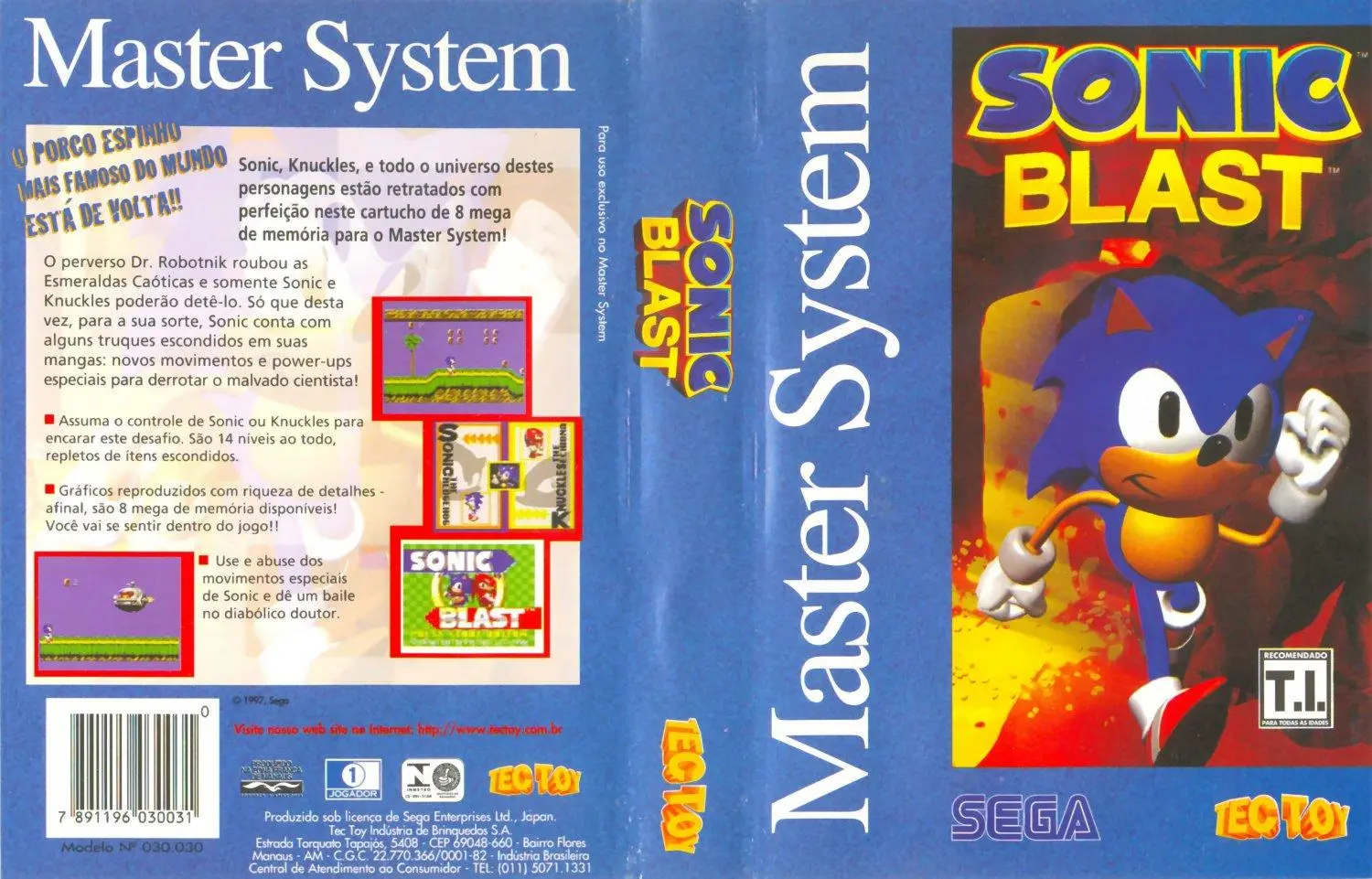
The Brazilian Master System box.
Tec Toy’s December 1997 conversion for Brazil is the odd one out. Sonic Blast was drawn for the Game Gear’s bigger colour palette, so on the Master System it looks harsher, and plenty of handheld leftovers remain: the status display has not moved, and the menus, title cards and Special Stages still run at Game Gear size inside a border. The home console’s wider view does ease the cramped screen. It is the reverse of Sonic Chaos, whose Master System code was moved to the Game Gear, and like G Sonic the cartridge is rare today.
Firsts: what this game introduced
Sonic Blast is mostly a game of lasts, with a couple of ideas of its own.
1Pre-rendered Game Gear SonicSonic and Knuckles were modelled in 3D and turned into sprites, the same season Sonic 3D Blast did the same on the Mega Drive.
2One-up for each heroExtra-life monitors carry a character’s face and only pay out for that character.
3Aspect’s last SonicThe studio behind the Game Gear Sonics since 1992 never made another.
4The Game Gear’s last wordThe final Sonic platformer on the Game Gear, released in Japan as G Sonic.
5The last Master System SonicTec Toy’s 1997 version for Brazil was the final Sonic game on the Master System.
Cheats & secrets
Our original Sonic Blast page had no cheats section, so this is new, checked against Sonic Retro’s hidden-content notes.
Round select (Game Gear)
At the title screen press Up, Up, Up, Down, Down, Down, 1, 2, 1, 2, then Start. The Master System pad has no Start button, so the code cannot be entered on the Brazilian version.
Code checked against Sonic Retro, November 2026.
Glitches, exploits and oddities
Only a handful of bugs are documented, all of them in Green Hill, and the Master System conversion has most of them.
Waterfalls with a mind of their own
Green Hill’s waterfalls.
Stand still in Green Hill and the waterfalls rush; sprint and they slow to a crawl. They are animated by cycling colours, and the cycle cannot keep an even pace while the game is busy moving you, on the Game Gear and the Master System alike.
The flashing cloud (Master System)
The Master System’s wider view undoes a careful bit of level design. Clouds and waterfalls use the same colours, so on the Game Gear’s small screen they were kept out of sight of each other; on the bigger display a cloud in Act 2 can share the screen with a waterfall and flicker in time with it.
Stuck in a downward loop (Master System)
On the Master System, arriving too slowly at the second downward loop of Green Hill Act 2 can drop you into the floor just as the camera locks for the next stretch, stranding Sonic or Knuckles. The Game Gear version seems to be immune.
Oddities
The build stamp inside the cartridge still claims to be an E3 demo from 1 May 1996. And the 1UP monitors come in two flavours, one for each hero, and only work for the right one.
Videos & media
Sega’s own trailer for the 2023 collection that brought Sonic Blast back, and a complete run of the Game Gear original.
SEGA’s announce trailer for Sonic Origins Plus (2023), which added twelve Game Gear games, Sonic Blast among them. From the official Sonic the Hedgehog channel.
A complete Game Gear playthrough from the World of Longplays archive.
Trivia & facts
Four of the five zones are named after a colour (green, yellow, red and blue), and the fifth is silver.
The Monkey King, Eggman style.The Yellow Desert boss is a robot riding a cloud with a staff-like spear, borrowed from Sun Wukong, the Monkey King of the Chinese classic Journey to the West.
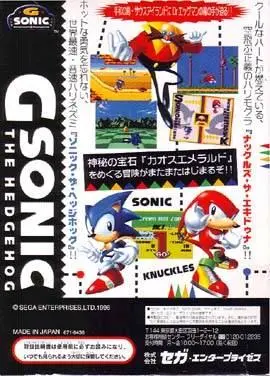
In Japan the game came out under Sega’s Kid’s Gear banner as G Sonic. Both that cartridge and the Brazilian Master System version are rare today.
The Bonus Panel at the end of each act gives out random prizes, unlike earlier 8-bit Sonics, where what you got depended on how you played.
The US and Japanese manuals tell different stories: a Robotnik-shaped floating island in the West, an Emerald shattered by a misfired laser in Japan.
Sega of America priced the Game Gear cartridge at US$34.99.
Media & artwork
Box art, artwork and screenshots, mostly from Sonic Scene’s own galleries. Select any image to view it larger.
North American Game Gear box.European Game Gear box.G Sonic, Japan.Brazilian Master System box.Back of the box.Back of the G Sonic box.Story illustration.Story illustration.The international logo.The G Sonic logo.G Sonic title screen.Yellow Desert Act 2.Knuckles in Red Volcano.Blue Marine’s tubes.Inside Silver Castle.The Bonus Panel faces.The item monitors.The Red Volcano boss.
Sonic Blast closed a chapter. It was Aspect’s last Sonic game and the last Sonic on both of Sega’s 8-bit machines; the next handheld Sonic platformers would come from other studios, on other hardware.
Releases and re-releases
Game Gear (North America)November 1996 – US$34.99.
Game Gear (UK)28 November 1996 – Released across Europe in November.
G Sonic (Japan)13 December 1996 – On the Kid’s Gear label; the Game Gear’s last Japanese release.
Master System (Brazil)December 1997 – Tec Toy’s conversion.
Sonic Adventure DX: Director’s Cut2003 – One of the unlockable Game Gear games, GameCube and PC.
Sonic Mega Collection Plus2004 – PlayStation 2, Xbox and PC.
Nintendo 3DS Virtual Console2012–2013 – Japan in April 2012, Europe in June 2012, North America in June 2013.
Sonic Origins Plus23 June 2023 – One of twelve Game Gear games in the expanded collection.
A reputation to live down
Time has not been kind. Retrospective reviews often place Sonic Blast among the weakest Sonic games: Nintendo World Report told readers to avoid it, Retro Gamer could find little to like beyond the title screen, and USgamer saw it as a sad send-off for the Game Gear. A few defended it, with Pocket Gamer recommending it to anyone who enjoys the classic 2D games.
Where to play it today
Sonic Origins Plus (2023) includes the Game Gear version on PlayStation, Xbox, Nintendo Switch and PC. It was also sold on the Nintendo 3DS Virtual Console from 2012.
Sales & reviews
Sales
We have not found a reliable sales figure for Sonic Blast, so we do not give one here. By late 1996 the Game Gear was nearing the end of its life, and the Japanese and Brazilian cartridges are now among the rarer Sonic releases.
84%Mega Force, France
83%Hobby Consolas, Spain
80%Ação Games, Brazil (Master System)
53%Famitsu, Japan (converted)
Reception and review scores
Period reviews from Sega Retro’s index of magazine scans. Sega Retro lists only four, and converts scores that were not out of 100.
Mega ForceFrance · Game Gear · January/February 1997
84%
Hobby ConsolasSpain · Game Gear · December 1996
83%
Ação GamesBrazil · Master System · December 1997
80%
FamitsuJapan · Game Gear · 20 December 1996 issue (converted)
53%
The magazines of 1996 were fairly kind. The European scores sat in the low eighties, and the Brazilian Master System version did nearly as well a year later, while Japan’s Famitsu was much cooler.
Later critics have been far harsher. Most admire what Aspect wrung out of the Game Gear but find the colours muddy, the animation jerky and the sprites far too big for the screen; Nintendo World Report found the water levels close to unplayable, and Jeuxvideo.com missed the speed of earlier Sonics.
Reader reviews
No reader reviews yet. Played it? Give it a score out of 10 and tell other fans what you think.
Every fact on this page was checked against the sources below. Sonic Retro and Sega Retro are linked through the Wayback Machine copies we read (the live sites sit behind a bot check).
To provide the best experiences, we use technologies like cookies to store and/or access device information. Consenting to these technologies will allow us to process data such as browsing behavior or unique IDs on this site. Not consenting or withdrawing consent, may adversely affect certain features and functions.
Functional
Always active
The technical storage or access is strictly necessary for the legitimate purpose of enabling the use of a specific service explicitly requested by the subscriber or user, or for the sole purpose of carrying out the transmission of a communication over an electronic communications network.
Preferences
The technical storage or access is necessary for the legitimate purpose of storing preferences that are not requested by the subscriber or user.
Statistics
The technical storage or access that is used exclusively for statistical purposes.The technical storage or access that is used exclusively for anonymous statistical purposes. Without a subpoena, voluntary compliance on the part of your Internet Service Provider, or additional records from a third party, information stored or retrieved for this purpose alone cannot usually be used to identify you.
Marketing
The technical storage or access is required to create user profiles to send advertising, or to track the user on a website or across several websites for similar marketing purposes.




 Yellow Desert ZoneActs 1–3 · boss: spear-wielding mechDesert dunes outside, Egyptian-style caves inside. Act 2’s ceilings bristle with spikes, which makes Sonic’s double jump a liability, and a warp-hole maze near the end hides a Giant Ring.
 Red Volcano ZoneActs 1–3 · boss: wrecking-ball Egg MobileAn active volcano with lava pouring out of the walls. The gadgets carry you through it: Spin Dash-powered lifts, pump-driven platforms over the lava and spring pads, with steam vents waiting to catch you out.
 Blue Marine ZoneActs 1–3 · boss: harpoon submarineFlooded ruins built like a maze. Suction tubes whisk you between sections, currents push you back the way you came, and buttons raise and lower the water.
 Silver Castle ZoneActs 1–3 · boss: twin-laser Egg MobileEggman’s new fortress. Some teleporters need charging before they work, spike walls chase you down corridors, and sticky yellow floors slow you to a crawl.
 Sonic the HedgehogPlayable hero
 Knuckles the EchidnaPlayable partner
 Dr. EggmanDr. Robotnik in the West
 CoconutsBadnikA robot monkey that hurls nuts (Aiai).
 BatbotBadnikA flapping, glowing bat (Halogen).
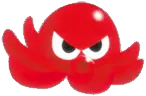 OctopusBadnikSquirts a cloud of smoke at you.
 GolaBadnikWhirls hot fireballs around itself (Gohla).
 Egg SaucerBadnikA spinning saw. Touch it and it hurts.
 Boomerang Egg MobileBoss · Green HillThrows a boomerang into the corners; only the windscreen takes damage.
 Spear mech on a cloudBoss · Yellow DesertA humanoid robot riding a cloud, a nod to Sun Wukong of Journey to the West. Twelve hits.
 Wrecking-ball Egg MobileBoss · Red VolcanoBounces up on a spring and swings a ball at you. Eight hits.
 Harpoon submarineBoss · Blue MarineAn underwater fight against a sub that fires harpoons.