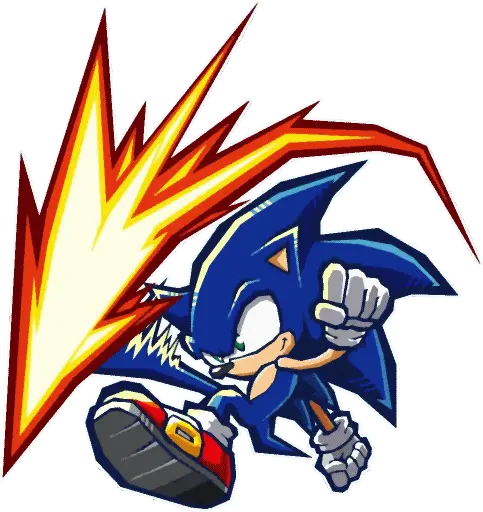
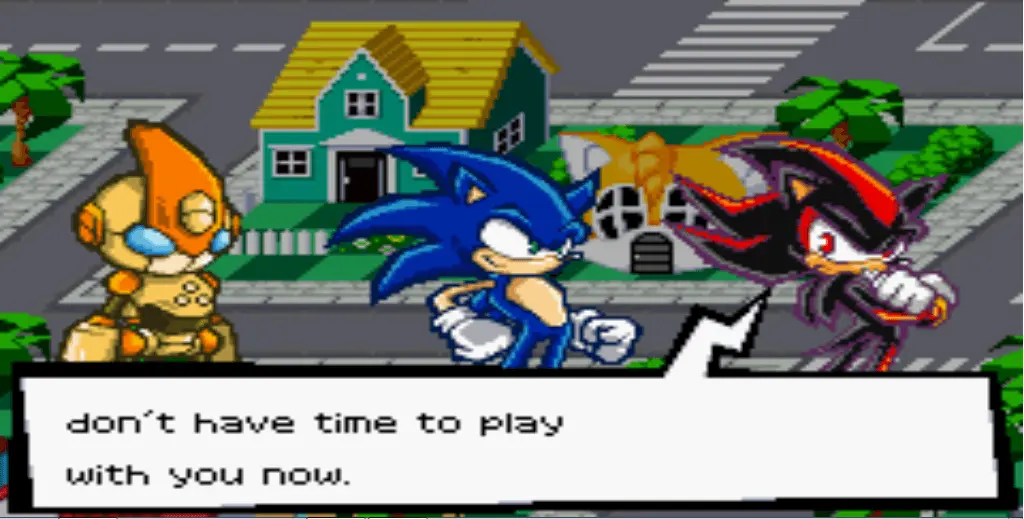
Sonic Team, with Jupiter supporting the character design and Wave Master on audio
Publisher
Sega in Japan; THQ in North America; in Europe, Sega Europe with THQ distributing, by Wikipedia’s account (Sonic Retro lists THQ as publisher there too). Our original page credited THQ internationally and Sega in Japan
Producer
Yuji Naka
Director
Tomoyuki Hayashi
Music
Wave Master: Tatsuyuki Maeda, Kenichi Tokoi and Hideaki Kobayashi
Genre
Arena fighting with role-playing elements
Players
1–4 (Game Link Cable; most mini-games need only one cartridge)
Released (Japan)
4 December 2003 (¥4,980)
Released (North America)
January 2004: our original page gives 5 January, Sega Retro and Sonic Retro 12 January
Released (Europe and Australia)
27 February 2004
Related
Sonic Advance 3 (2004), whose villain Gemerl is built from Emerl’s data
Overview
Sonic Battle is a fighting game, but it plays more like a story about a robot growing up. Sonic finds Emerl, an ancient machine called a Gizoid, washed up on Emerald Beach, and as each of his friends takes a turn looking after it, Emerl learns their moves, gains a voice with every Chaos Emerald, and starts to feel more like one of the gang than a weapon.
The fighting takes place in small 3D arenas for up to four players, with sprite-based characters. Everyone has a combo, a heavy attack and three kinds of special move, Shot, Power and Set, which you assign to ground, air and defence slots before each round. Fill your Ichikoro Gauge and your next special knocks out anyone it touches. Emerl is the twist: he copies the skills of everyone he fights, and you build his move set from more than three hundred Skill Cards.
It was Sonic’s second fighting game after Sonic the Fighters, and critics were split. Some found a surprisingly deep arena brawler with plenty to unlock; others thought the move sets thin and the Story Mode grind exhausting. Its story went on to be adapted for the Sonic X anime.
A four-way battle in Amy’s Room.Building Emerl’s move set.Sonic finds Emerl.
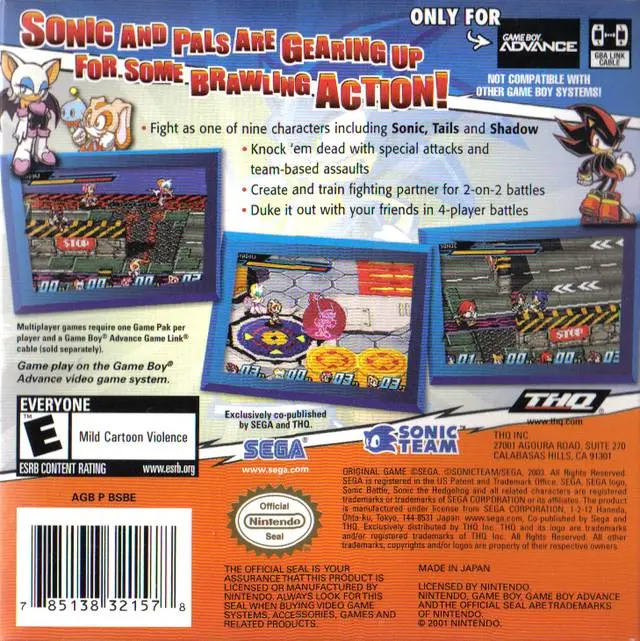
Sonic and pals are gearing up for some brawling action!
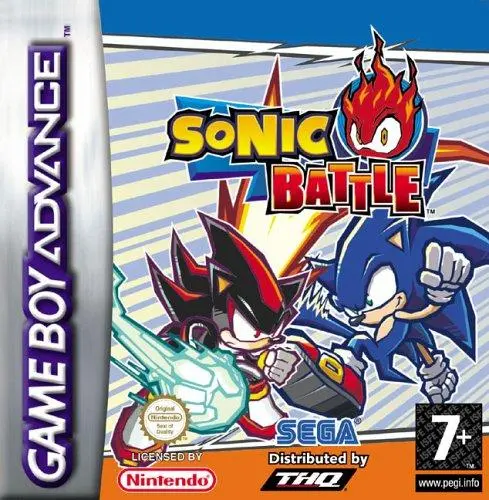
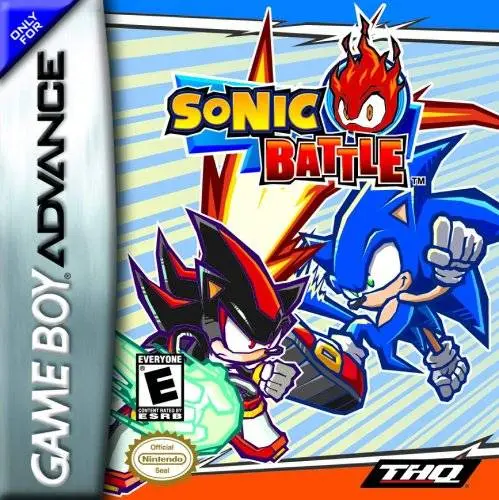
The headline on the back of the North American box. Its bullet points promise nine characters including Sonic, Tails and Shadow, special attacks and team moves, a fighting partner you create and train yourself for two-on-two battles, and four-player multiplayer.
— Official description: THQ and Sega, Sonic Battle North American box (2004), read from Sonic Scene’s own box-art scan. One line quoted; the rest summarised.
Quick Answers
The short answers, with the detail further down the page.
When did Sonic Battle come out?
In Japan on 4 December 2003, in North America in January 2004 and in Europe on 27 February 2004. More →
Who is Emerl?
A Gizoid: an ancient robot built by a lost civilisation and studied by Professor Gerald fifty years earlier. He copies the moves of anyone he fights and grows stronger with every Chaos Emerald. More →
Who can you play as?
Ten fighters: Sonic, Tails, Knuckles, Amy, Cream, Rouge, Shadow and Emerl from the start, plus Chaos Gamma and Chaos once you meet them in Story Mode. More →
How does Skill Capture work?
After each Story Mode fight Emerl may earn a Skill Card from an opponent. Cards cost skill points, and his maximum rises with battles and Chaos Emeralds, up to 500. More →
What happens to Emerl?
At the end, Eggman’s Final Egg Blaster reawakens Emerl’s original programming. Sonic fights him to stop it, and Emerl says goodbye and destroys himself. More →
Is Sonic Battle in Sonic X?
Yes. The second season of the Sonic X anime loosely adapted its story. More →
Where does it fit in the timeline?
Between Sonic Advance 2 and Sonic Advance 3, and after Sonic Heroes, which the story refers to even though Heroes reached Japanese shops later. More →
Plot / Story
Emerl.Sprite via Sonic Retro
Fifty years ago, the government sealed away a robot built by a long-lost civilisation: a Gizoid. Dr. Eggman digs it up, but it refuses to obey him, so he builds his own copy, Phi, and throws the original away. Rouge, sent by the President to investigate, finds Eggman testing Phi on the Battle Highway, powered by a shard of a Chaos Emerald. She beats it and pockets the shard.
The discarded Gizoid washes up on Emerald Beach, where Sonic finds it and forms a Link with it. Tails discovers it reacts to the Chaos Emeralds, so Sonic names it Emerl. Not everyone is pleased. Shadow remembers what a Gizoid did to the Space Colony ARK half a century ago and wants it destroyed; Knuckles mistakes it for Eggman’s copy and attacks. But once Knuckles hands over his Chaos Emerald, Emerl starts to speak, and with every Emerald his words come more easily.
Eight episodes, eight guardians
The story is told in eight episodes, each with a different character in charge of Emerl, beginning with Sonic and Tails, then Rouge, Knuckles, Amy and Cream, before Shadow and, last of all, Emerl himself. Tails learns at Central Lab that Professor Gerald once experimented on the Gizoid, and promises to protect his friend anyway. Rouge tricks Sonic into handing her control of Emerl, takes him to her Club Rouge in Night Babylon and teaches him to steal jewels, until Emerl grabs a Chaos Emerald for himself. Knuckles decides Emerl will never grow strong with Sonic and trains him personally, smashing an army of Phis whose shards Tails rebuilds into another Emerald.
Amy takes Emerl on an adventure of her own. Eggman captures Emerl, Cream and Cheese and locks them in his Gimme Shelter, but they escape, leaving the doctor caught in his own trap and taking another Emerald with them. Shadow, meanwhile, needs answers: if he and Emerl were both made as weapons, why does Emerl not act like one? Rouge has read Eggman’s files. Gerald never wanted weapons; he gave Shadow and Emerl souls. Giving Emerl the seventh Emerald and the phrase “Bring hope to humanity” sets him free, and Shadow’s only request is a fight to see which of them is stronger.
Rouge.Night Babylon.Gimme Shelter.
The Death Egg and a goodbye
Eggman’s endgame is the Final Egg Blaster, mounted on a new Death Egg. Its arrival brings Chaos, guardian god of the Chao, back to Holy Summit, freezing the Estuary solid, and Emerl must defeat him to press on. On the Death Egg the doctor fires the Blaster, destroying stars in a show of power meant to win Emerl over. Instead it wakes the Gizoid’s original programming, and Emerl turns on the whole world.
Sonic goes up to stop him. After their fight Emerl says goodbye to his friends and destroys himself; Shadow explains it was a fail-safe Gerald built in, in case the Gizoid ever ran out of control. Sonic tells a tearful Cream that a part of Emerl lives on in the Emerald shard he left behind. Replay the episodes afterwards and you uncover pages of Professor Gerald’s journal.
Holy Summit.Chaos.Emerl.
Arenas
Fights take place in small 3D arenas based on locations from the story.
Emerald BeachStory and battle arenaWhere Sonic finds Emerl.
Amy’s RoomBattle arenaAmy’s home, piled with boxes.
Holy SummitStory and battle arenaKnuckles’ home away from home, where Chaos makes his stand.
Night BabylonStory locationHome of Rouge’s nightclub, Club Rouge.
Gimme ShelterStory locationEggman’s base, where Emerl, Cream and Cheese are held.
Central CityStory locationOne of the Story Mode locations.
AlsoBattle arenasTails’ Lab, Chao Ruins, Battle Highway, Metal Depot, Club Rouge, Library and the Colosseum.
Story Mode moves between these locations on an overworld map, with conversations between fights.
In comics, TV & other media
Emerl’s story reached television, and his legacy carried into the next Advance game. More in Sonic in other movies and media.
Sonic XAnime · season 2The second season of the Sonic X anime includes a loose adaptation of Sonic Battle’s story arc.
Sonic Advance 3Game Boy Advance · 2004Eggman rebuilds Emerl’s data into a new robot, Gemerl.
Sonic Heroes2003Sonic Battle is set after Heroes, although in Japan it came out first; Rouge mentions E-123 Omega, whom she met in that game.
Tails no Flying GetSonic Cafe mobile gameInspired by the Fly & Get mini-game in Sonic Battle.
Characters
Ten playable fighters, eight of them available from the start. The descriptions summarise the North American manual.
Character
Who they are
In this game
Stats & abilities
EmerlDebut · the Gizoid
An ancient robot from a lost civilisation, studied by Professor Gerald and sealed away for fifty years.
The heart of the story. He learns to talk, to fight and to care for his friends, before his old programming takes over.
Copies opponents’ moves as Skill Cards
309 cards to collect
Up to 500 skill points
Sonic the HedgehogEpisode 1
The hero, with an all-round mix of attack, defence and speed.
Finds Emerl, names him, and fights him one last time on the Death Egg.
Finishes opponents with a dance-inspired move.
Miles “Tails” ProwerEpisode 2
The inventor, whose gadgets turn into combo attacks.
Discovers what Emerl really is, and stands by him regardless.
Strings combos together with his inventions.
Rouge the BatEpisode 3
A government agent and self-styled world’s greatest thief.
Investigates Eggman for the President, borrows Emerl to teach him burglary, and finds the truth in Eggman’s files.
Playable from the start.
Knuckles the EchidnaEpisode 4
An enthusiastic brawler who can floor opponents with a single punch.
Attacks Emerl by mistake, then gives him his Chaos Emerald and trains him.
Heavy hitter.
Amy RoseEpisode 5
Cheerful and energetic, armed with her Piko Piko Hammer.
Takes Emerl on her own adventure, collecting Emerald shards.
Swings the hammer at anything nearby.
Cream the Rabbit & CheeseEpisode 6
A gentle rabbit and her best friend, the Chao Cheese, who give each other courage.
Captured with Emerl by Eggman, she helps them escape, and is in tears at the end.
Fights as a pair with Cheese.
Shadow the HedgehogEpisode 7
Gerald’s creation, back after Sonic Heroes and wrestling with whether he is a weapon.
First wants Emerl destroyed, then helps set him free, and explains the ending.
Vanishes and reappears to attack.
Chaos GammaDebut · unlockable
An Eggman robot based on E-102 Gamma from Sonic Adventure.
Ambushes the heroes on the way to Holy Summit. Playable once met in Story Mode.
Unlocked in Story Mode.
ChaosUnlockable
The guardian god of the Chao, from Sonic Adventure, who appears only in times of crisis.
Returns to guard the Death Egg and freezes the Estuary; Emerl must defeat him.
Unlocked in Story Mode.
Dr. EggmanVillain · not playable
The genius scientist, as the manual puts it, always plotting world domination.
Digs up the Gizoid, builds Phi and the Final Egg Blaster, and sets off the disaster he cannot control.
Fought through his robots.
PhiNot playable
Eggman’s copies of the Gizoid, each powered by an Emerald shard.
Used for jewel robberies, then sent in an army to recapture Emerl.
Story Mode opponent.
The people who made it
Credits from the game, as listed by Sega Retro.
Yuji NakaProducerHead of Sonic Team.
Tomoyuki HayashiDirectorLed the project.
Asahiko KikuchiStory Mode plannerPlanned the eight-episode story.
Tatsuyuki Maeda, Kenichi Tokoi, Hideaki KobayashiMusic · Wave MasterWrote the score; the same Wave Master trio also worked on Sonic Advance 3.
How it was made
Our original page had no history section, so this one is new, built from Wikipedia, Sonic Retro and Sega Retro.
Part of the Year of Sonic
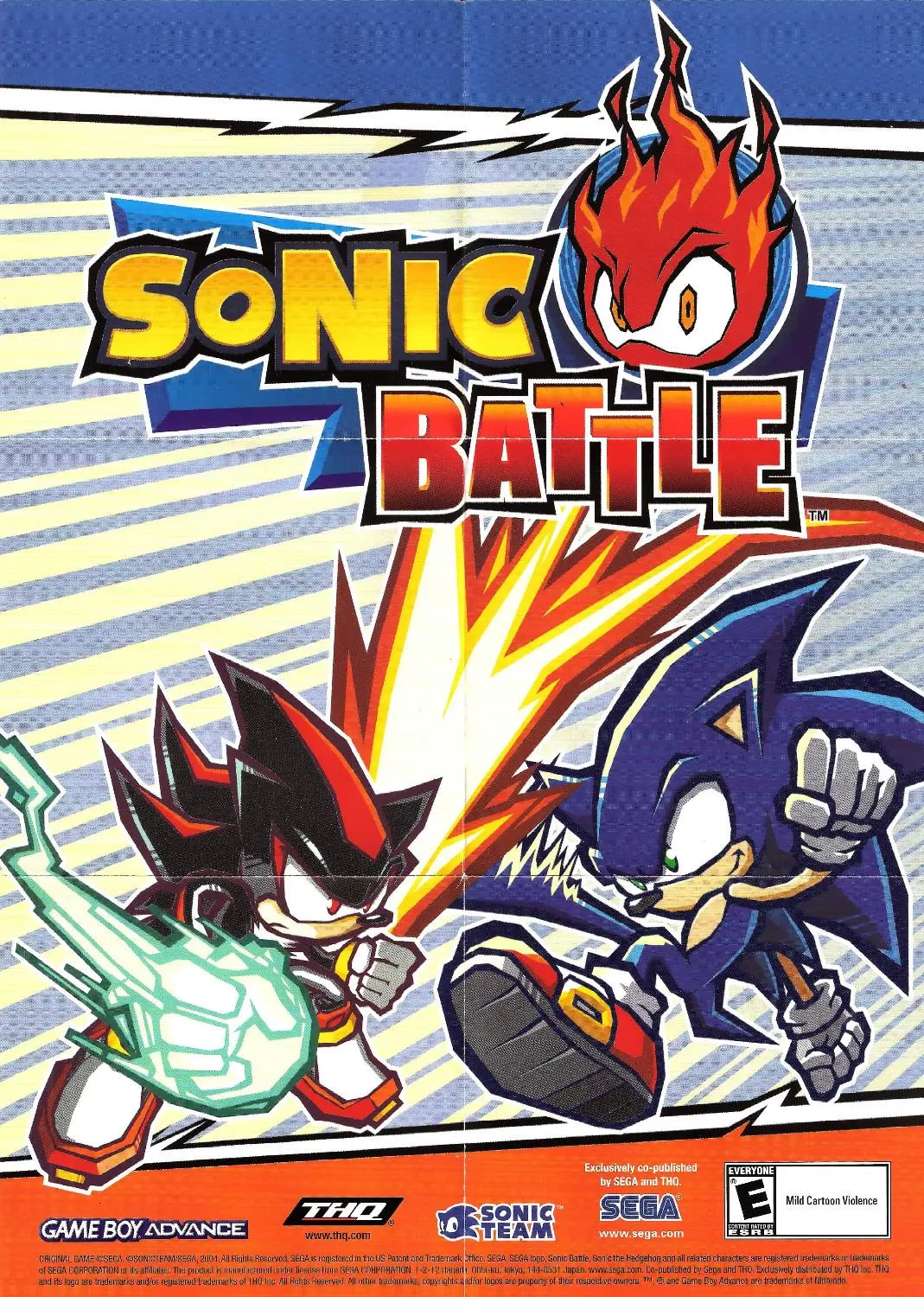
A promotional poster.
Sonic Team developed the game, with Jupiter assisting on character design and Wave Master handling the music. It was announced in 2003 with playable demos at both E3 and the Tokyo Game Show, and in Japan it came out in December as part of Sega’s Year of Sonic celebrations.
THQ and the West
Outside Japan the game went out under a Game Boy Advance co-publishing deal between Sega and THQ: THQ released it in North America in January 2004, and a month later Sega Europe brought it to Europe, with THQ handling distribution.
Firsts: what this game introduced
Sonic Battle broke new ground for the series on a handheld.
1EmerlThe Gizoid’s debut; his data later became Gemerl.
2Chaos GammaA new Eggman robot modelled on E-102 Gamma.
3A handheld Sonic fighterThe series’ second fighting game, and the first on a portable.
4Skill CaptureA fighter who builds his move set from 309 collectable Skill Cards.
5Gerald’s journalReplaying the story reveals pages of Professor Gerald’s journal.
6Adapted for TVIts story was loosely adapted in the second season of Sonic X.
Cheats & secrets
Our original Sonic Battle page had no cheats section. These are its unlockables and secrets, checked against Sonic Retro.
Unlocking Chaos Gamma and Chaos
Both become playable as soon as you meet them in Story Mode.
Mini-games
Soniclash! is available from the start. Finishing Tails’, Knuckles’, Amy’s and Shadow’s episodes unlocks Fly & Get, Mine Hunt, Treasure Island and Speed Demon.
Emerl’s rarest skills
His ultimate cards come only from Tails’ virtual training in the final chapter, and some secret character abilities can only be unlocked with passwords.
Faster skill points
Fights are a slow way to grow Emerl: each win nudges his skill point ceiling up by somewhere between 1 and 5. A Chaos Emerald scene is worth a flat 10, and it pays out again whenever you replay that episode, so replaying is the quickest road to the 500 cap.
Gerald’s journal
After finishing Story Mode, clear episodes again to read new pages of Professor Gerald’s journal.
Checked against Sonic Retro, November 2026.
Glitches, exploits and oddities
A small game with a couple of famous quirks.
The mini-game you cannot leave
Knuckles’ Mine Hunt.Screenshot via Sonic Retro
Knuckles’ Mine Hunt, a Minesweeper-style puzzle, has no way to quit once it starts. You have to switch the Game Boy Advance off, though nothing is lost by doing so.
Replaying for power
Because the Chaos Emerald bonus is paid out every time you see the scene, replaying the same episode pumps up Emerl’s skill points far faster than fighting.
Out of order
In Japan, Sonic Battle reached shops on 4 December 2003, almost four weeks before Sonic Heroes, yet it is set after Heroes, so Japanese players heard Rouge mention E-123 Omega before Omega’s own debut game was out. North America got the games the other way round: Heroes on GameCube on 6 January 2004, Battle a week later.
Videos & media
Sonic Scene’s own capture of the game’s opening, and a complete run of the game.
The opening sequence, from the Sonic Scene YouTube channel.
A full playthrough from the World of Longplays archive.
Trivia & facts
Sonic Battle is the second fighting game in the series, after the arcade Sonic the Fighters.
Emerl.Sprite via Sonic RetroEmerl gains the ability to speak only after Knuckles gives him a Chaos Emerald, and talks better with each one.
The key phrase that frees Emerl is “Bring hope to humanity”.
Knuckles’ Mine Hunt can be sent to a second Game Boy Advance with no cartridge inserted.
Emerl’s Challenge Mode ends with a fight against three copies of himself.
Jupiter, which helped with the character design, also co-developed Sonic Pinball Party.
Media & artwork
Box art, artwork and screenshots, from Sonic Scene’s own galleries and Sonic Retro. Select any image to view it larger.
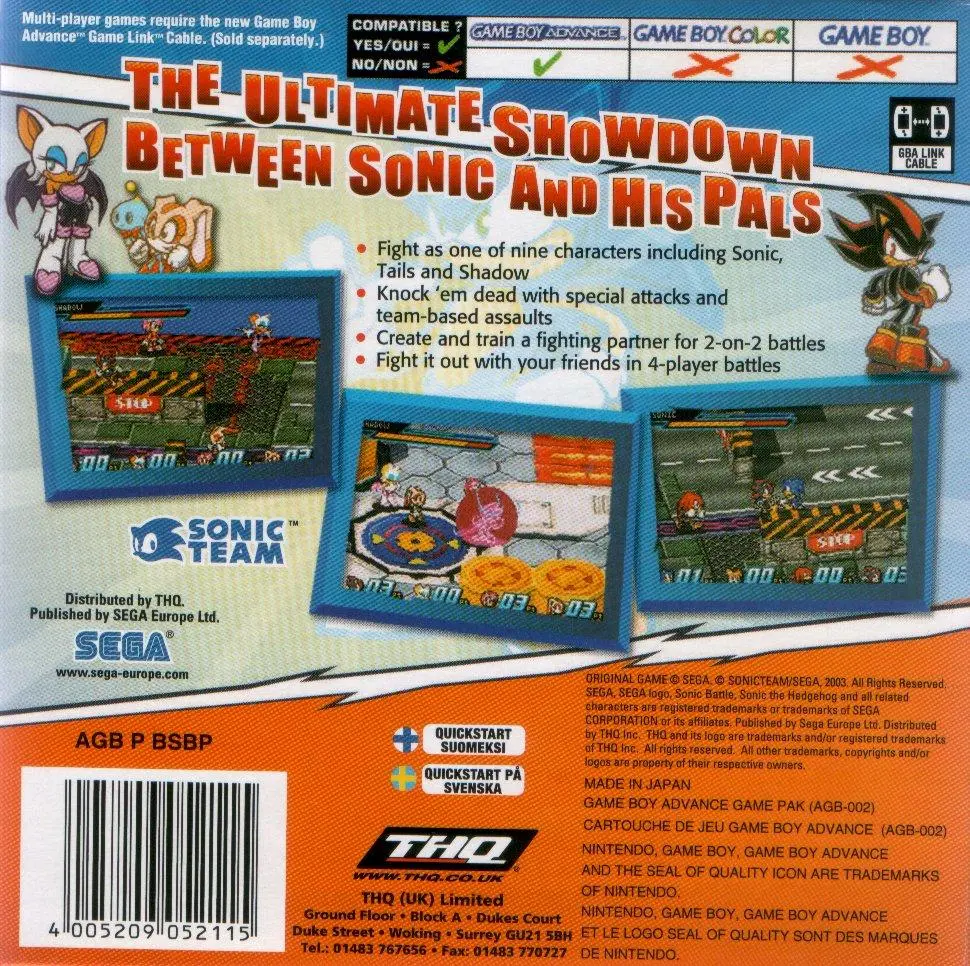
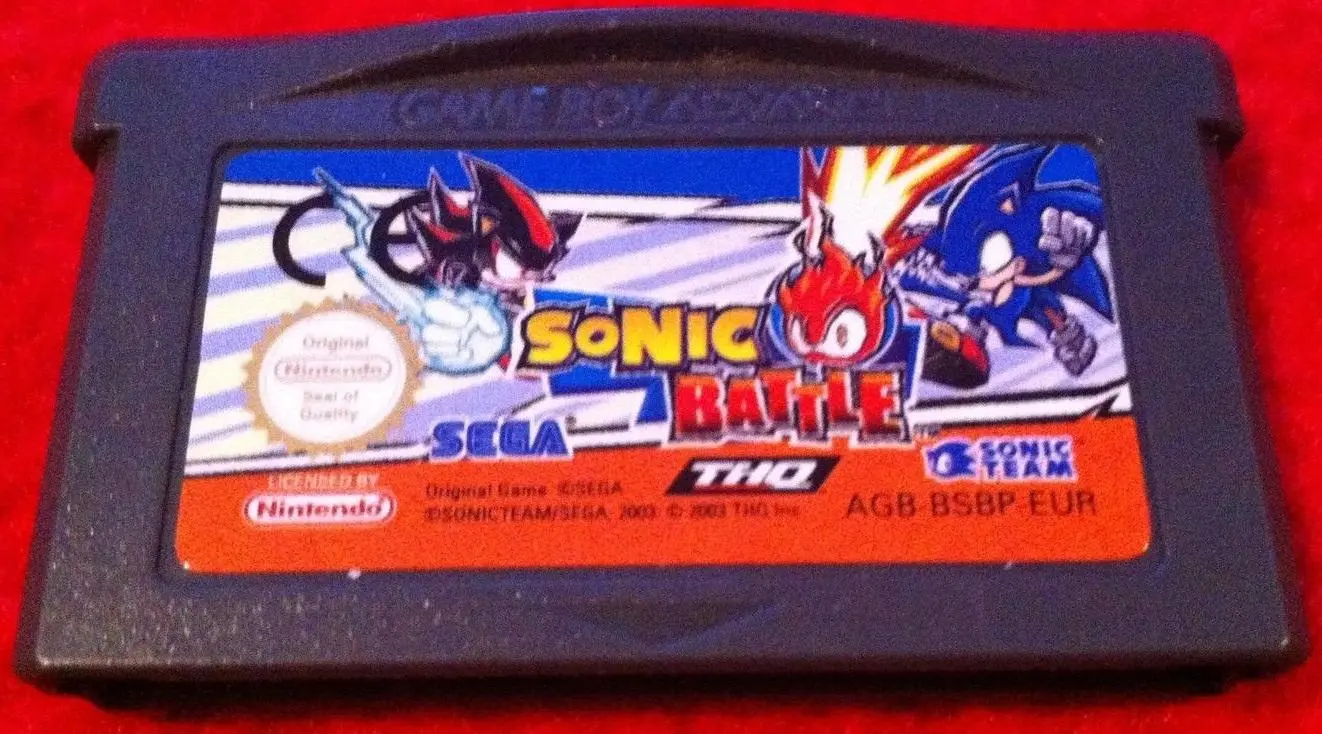
European box.North American box.Back of the European box.Back of the North American box.Japanese cartridge.North American cartridge.European cartridge.Sonic.Sonic.Sonic.The opening: Sonic.The opening: Shadow.Eggman and the Gizoid.Shadow in Story Mode.The Story Mode map.A four-way battle.A snowy arena.By the sea.Battle Mode setup.Soniclash!Tails’ Fly & Get.Amy’s Treasure Island.Shadow’s Speed Demon.
Emerl did not stay gone for long. Sonic Advance 3 gave Eggman a new robot, Gemerl, built from Emerl’s data, and the second season of Sonic X retold his story on television.
Releases
Game Boy Advance (Japan)4 December 2003 – ¥4,980, part of the Year of Sonic.
Game Boy Advance (North America)January 2004 – Published by THQ.
Game Boy Advance (Europe)27 February 2004 – Sega Europe, distributed by THQ.
Two-in-one cartridges2005 – Paired with Sonic Advance, ChuChu Rocket! or Sonic Pinball Party, as listed in Sonic Retro’s release index.
Where to play it today
On Game Boy Advance hardware, with the original cartridge or one of the 2005 two-in-one cartridges.
Sales & reviews
Sales
We have not found reliable sales figures for Sonic Battle.
69Metacritic score
72%Sega Retro average of 9 magazines
83%Play, US
8/10IGN
Reception and review scores
Magazine scores from Sega Retro’s review index, with online scores from Wikipedia’s review table, converted to percentages.
PlayUS
83%
IGNUS · online
8/10
N-ZoneGermany
79%
NGC MagazineUK
78%
GameSpotUS · online
7.7/10
Nintendo PowerUS
74%
AdvanceUK
72%
GameProUS
70%
Nintendo Official MagazineUK
68%
Nintendo: Le Magazine OfficielFrance
65%
GameSpyUS · online
3/5
Game InformerUS
6/10
Electronic Gaming MonthlyUS
55%
Few Sonic games have split reviewers so neatly. On one side, IGN admitted it was chasing Super Smash Bros. but felt it had done enough to rank among the best original fighters on the system, and GameSpy found a deep, long-lasting brawler, even if it thought Sonic’s gang added nothing to it. The graphics and the multiplayer won friends too.
On the other, critics complained about thin move sets and flat sprites in 3D arenas. Nintendo Power found the moves limited but the whole thing great fun, while GamePro blamed the Story Mode, where earning skill points for Emerl felt like a slog. Metacritic’s average landed at 69.
Reader reviews
No reader reviews yet. Played it? Give it a score out of 10 and tell other fans what you think.
Every fact on this page was checked against the sources below. Sonic Retro and Sega Retro pages were read through Wayback Machine copies from late 2024 to late 2025, because both live sites show a bot check; each Sonic Retro link opens the nearest archived copy. Magazine scores come from Sega Retro’s review index, which links each score to a scan of the original page.
To provide the best experiences, we use technologies like cookies to store and/or access device information. Consenting to these technologies will allow us to process data such as browsing behavior or unique IDs on this site. Not consenting or withdrawing consent, may adversely affect certain features and functions.
Functional
Always active
The technical storage or access is strictly necessary for the legitimate purpose of enabling the use of a specific service explicitly requested by the subscriber or user, or for the sole purpose of carrying out the transmission of a communication over an electronic communications network.
Preferences
The technical storage or access is necessary for the legitimate purpose of storing preferences that are not requested by the subscriber or user.
Statistics
The technical storage or access that is used exclusively for statistical purposes.The technical storage or access that is used exclusively for anonymous statistical purposes. Without a subpoena, voluntary compliance on the part of your Internet Service Provider, or additional records from a third party, information stored or retrieved for this purpose alone cannot usually be used to identify you.
Marketing
The technical storage or access is required to create user profiles to send advertising, or to track the user on a website or across several websites for similar marketing purposes.



 Emerald BeachStory and battle arenaWhere Sonic finds Emerl.
 Central CityStory locationOne of the Story Mode locations.
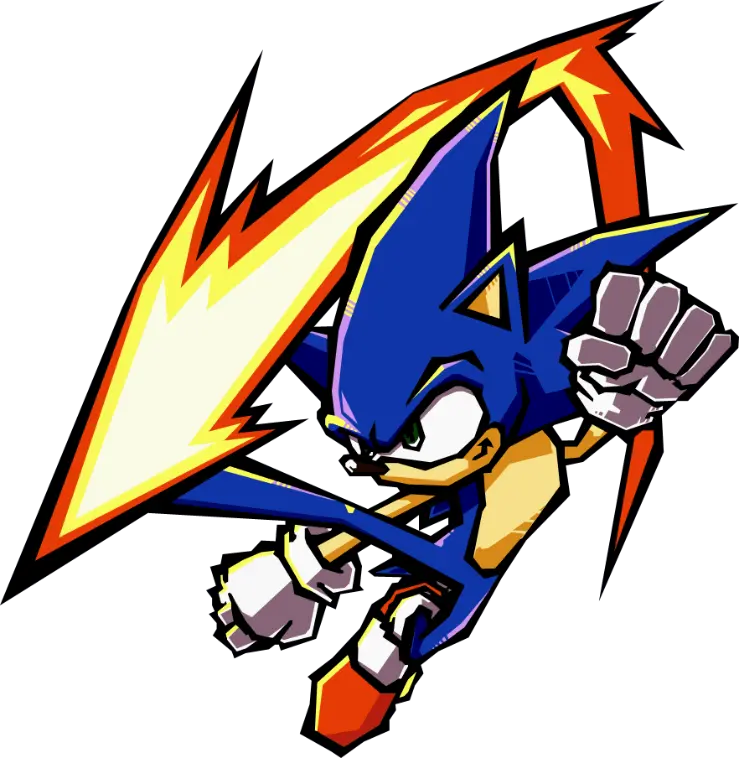 Sonic the HedgehogEpisode 1
 Miles “Tails” ProwerEpisode 2
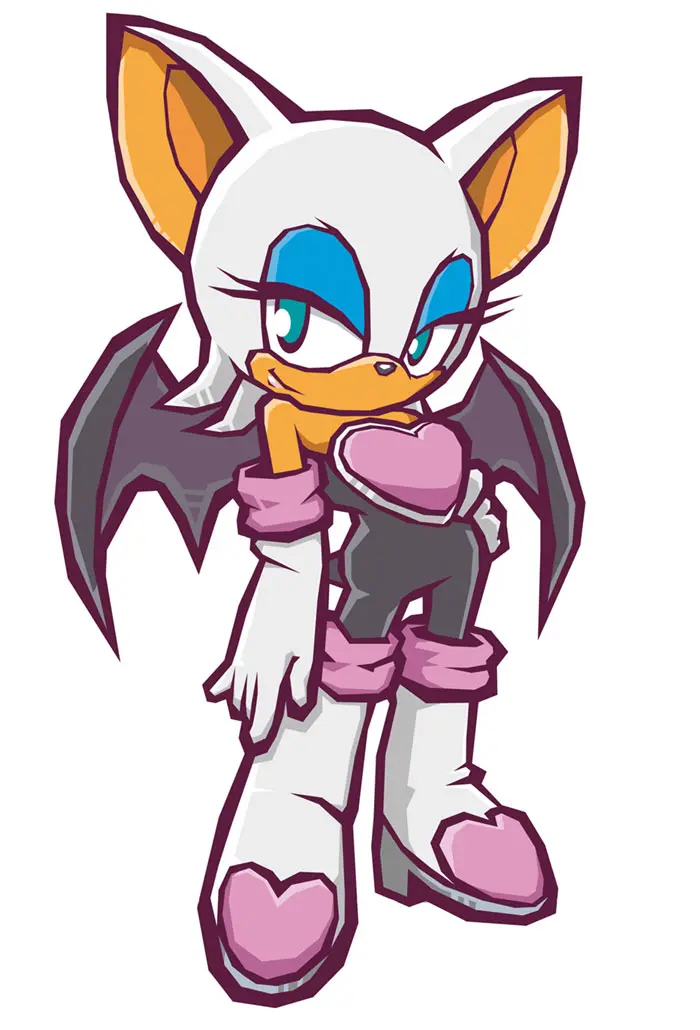 Rouge the BatEpisode 3
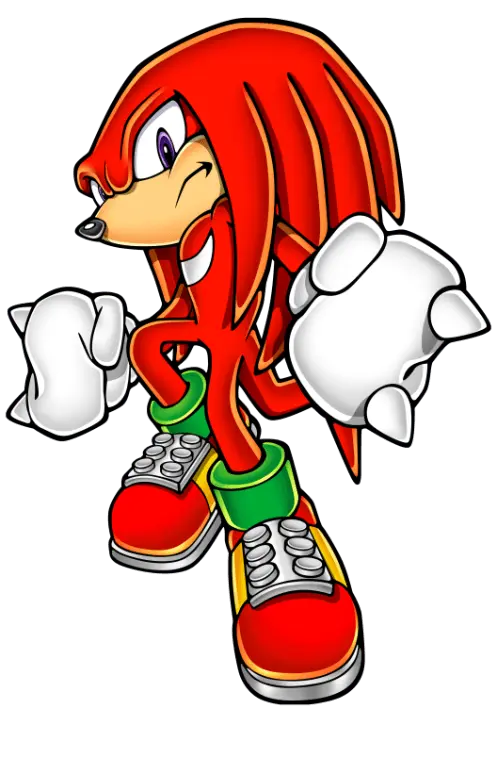 Knuckles the EchidnaEpisode 4
 Amy RoseEpisode 5
 Cream the Rabbit & CheeseEpisode 6
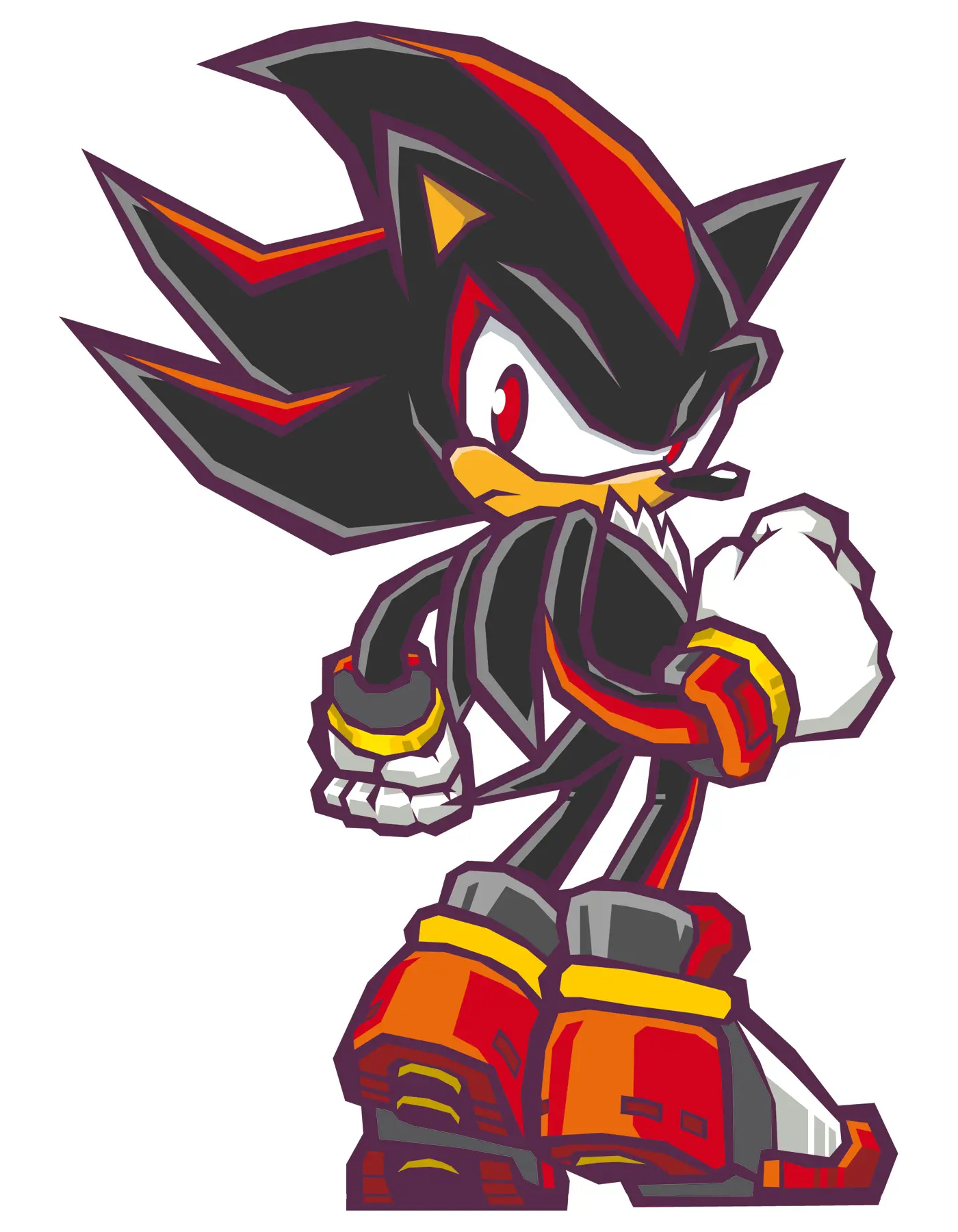 Shadow the HedgehogEpisode 7
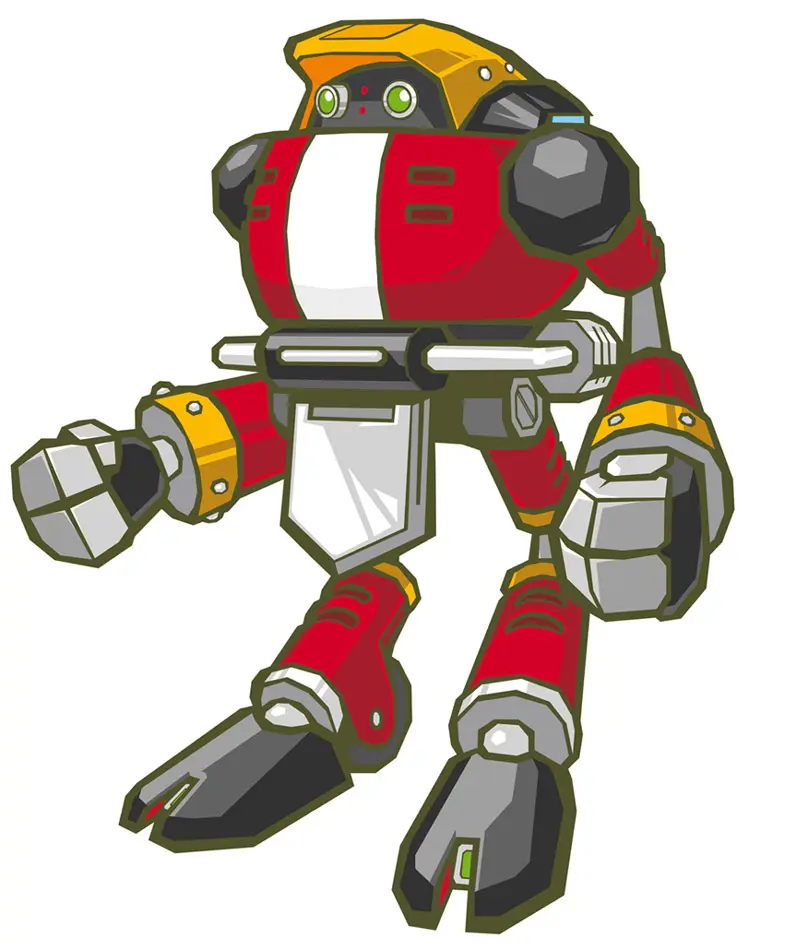 Chaos GammaDebut · unlockable
 Dr. EggmanVillain · not playable
 PhiNot playable