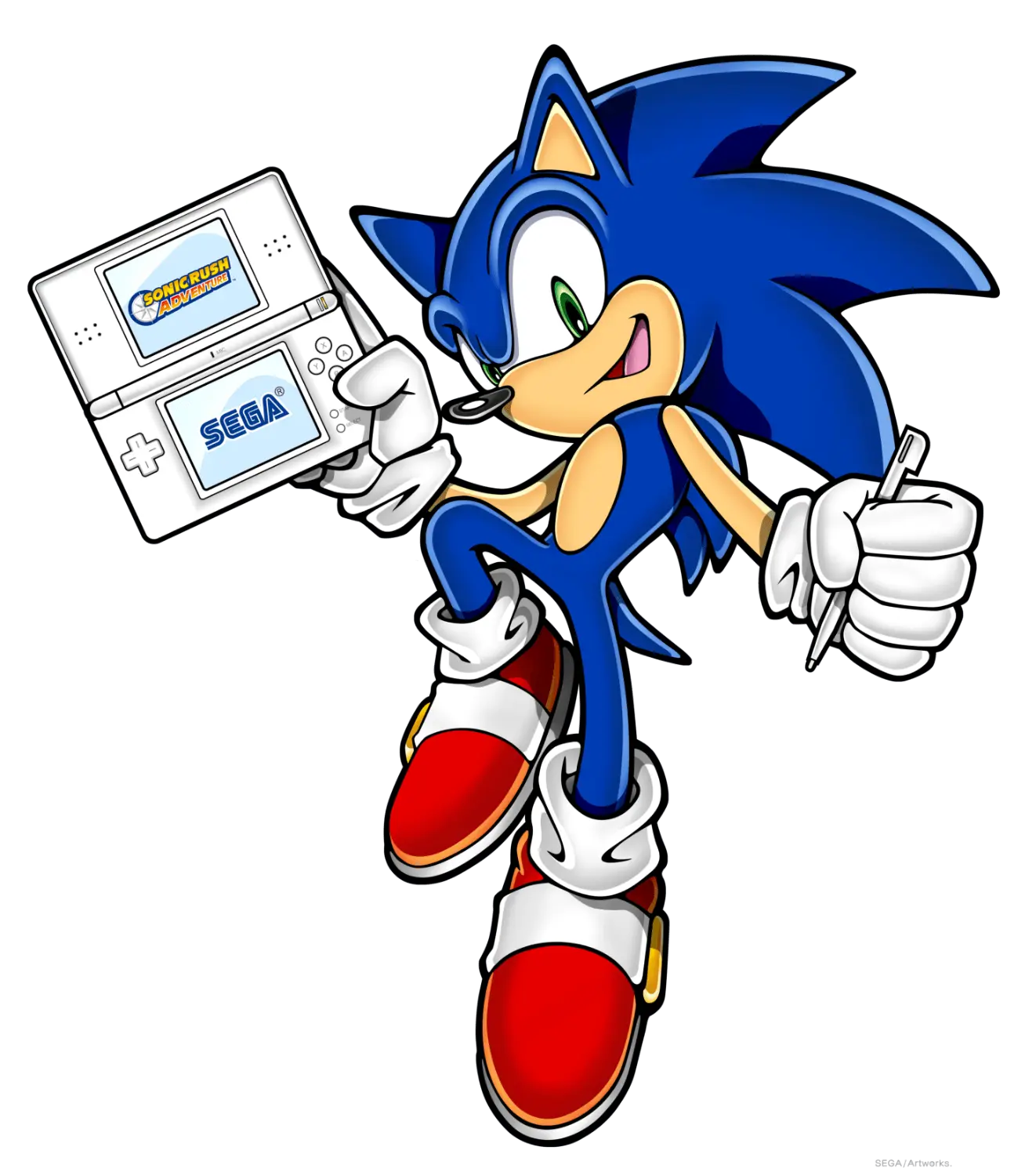
A storm, a twister and a wrong turn between dimensions: Sonic and Tails wash up in Blaze’s world, team up with a very loud young raccoon, and go to sea against a crew of robot pirates.
ReleasedSep 2007 (EU, NA, AU) · 18 Oct 2007 (JP)
DeveloperDimps with Sonic Team
PublisherSega; Nintendo in South Korea
StagesSeven, plus two boss stages and 16 Hidden Islands
Sonic Rush Adventure flips the setup of the first game. This time it is Sonic and Tails who fall into the wrong dimension, crash-landing on an island in Blaze’s world, and the adventure that follows is a seafaring one. Between levels you sail an archipelago, plotting routes with the stylus and steering boats through touch-screen mini-games, and every material you dig out of a stage goes to Tails to build the next vessel.
The platforming underneath is pure Sonic Rush: two-screen levels, tricks to fill the Tension Gauge, boosts through crowds of robots, and big 3D boss fights. Sonic and Blaze now share one story, with the player picking who to send into each stage. Around them is a new cast: Marine the Raccoon, an excitable would-be sea captain, and Captain Whisker’s gang of robot pirates.
Reviewers liked what they played. The visuals, the music and the Mega Drive-style speed won praise, a relief after the 2006 Sonic the Hedgehog. The story and the material grind drew complaints, and some felt it changed too little from the first game. In 2009 Nintendo published it in South Korea, the first Sonic platformer with Nintendo as publisher (Nintendo had already published Mario & Sonic at the Olympic Games in Japan and Korea).
Plant Kingdom.Riding the Wave Cyclone.Haunted Ship.
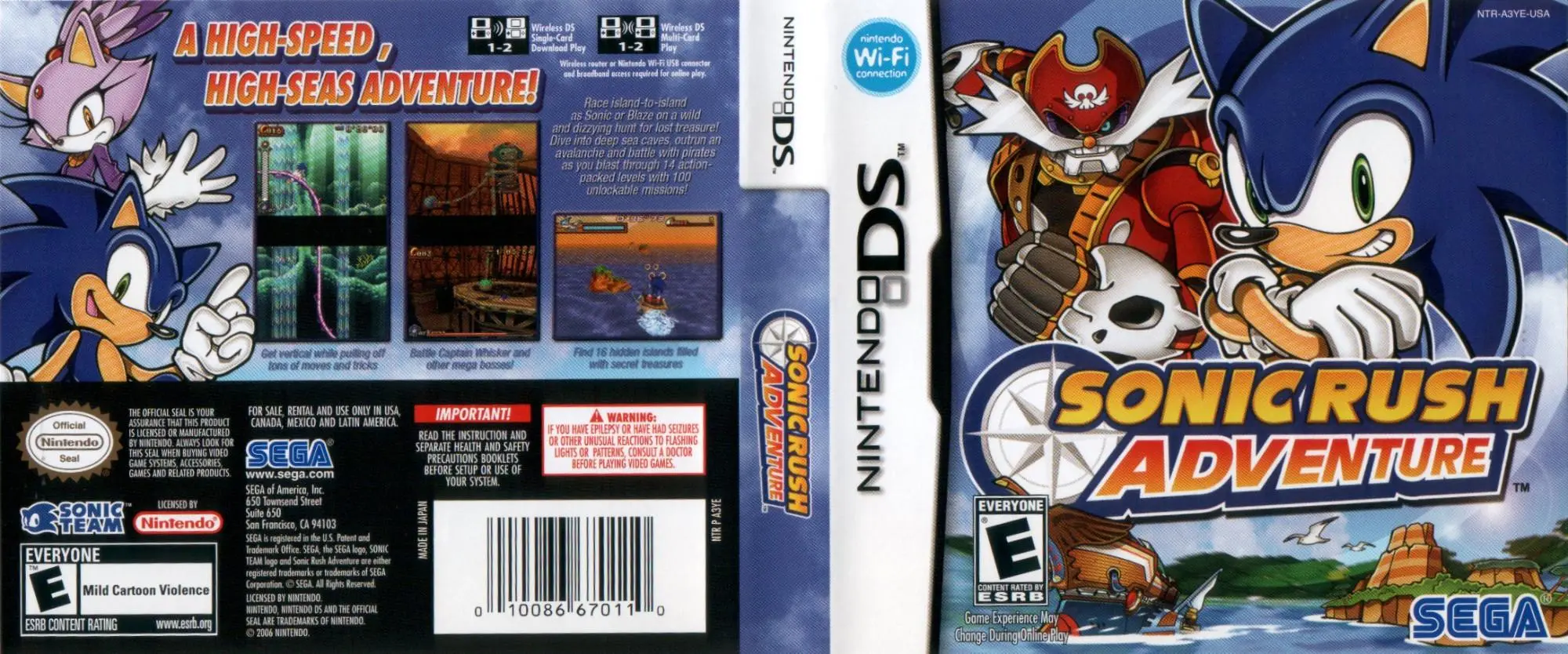
A high-speed, high-seas adventure!
The headline on the back of the North American box. The copy beneath it invites you to race from island to island as Sonic or Blaze in a hunt for lost treasure, diving into sea caves, outrunning an avalanche and fighting pirates across fourteen levels and a hundred unlockable missions. Sega announced the game on 16 April 2007 and promoted it with a Flash browser game of the boating mini-games.
— Official description: Sega, Sonic Rush Adventure North American box (2007), read from Sonic Scene’s own box-art scan; announcement and promotion from Wikipedia. One line quoted; the rest summarised.
Quick Answers
The short answers, with the detail further down the page.
When did Sonic Rush Adventure come out?
In September 2007 in Europe, North America (18 September) and Australia, and on 18 October 2007 in Japan. South Korea followed in 2009. More →
Who is Marine the Raccoon?
A young raccoon from Blaze’s world who dreams of being a sea captain. She finds Sonic and Tails washed up on her island and appoints herself their captain. She is not playable. More →
Who are the villains?
Captain Whisker and his first mate Johnny, robot pirates hunting the Jeweled Scepter. Their makers, Eggman and Eggman Nega, appear in the true ending. More →
How do you get the Chaos Emeralds?
Find Johnny out at sea and beat him in a race on the Wave Cyclone. Each win earns one Chaos Emerald. Blaze earns the Sol Emeralds through special missions. More →
How do you get the true ending?
Reach the normal ending, then collect all seven Chaos Emeralds and all seven Sol Emeralds. An extra boss, the Egg Wizard, unlocks. More →
Why was it re-rated in Europe?
PEGI first rated it 12+ because the dialogue used the word “bugger”. The word was removed and the game re-rated 3+. More →
How well did it sell?
Sega’s figures for its 2008 financial year add up to about 349,000 copies across the US and Europe. More →
Plot / Story
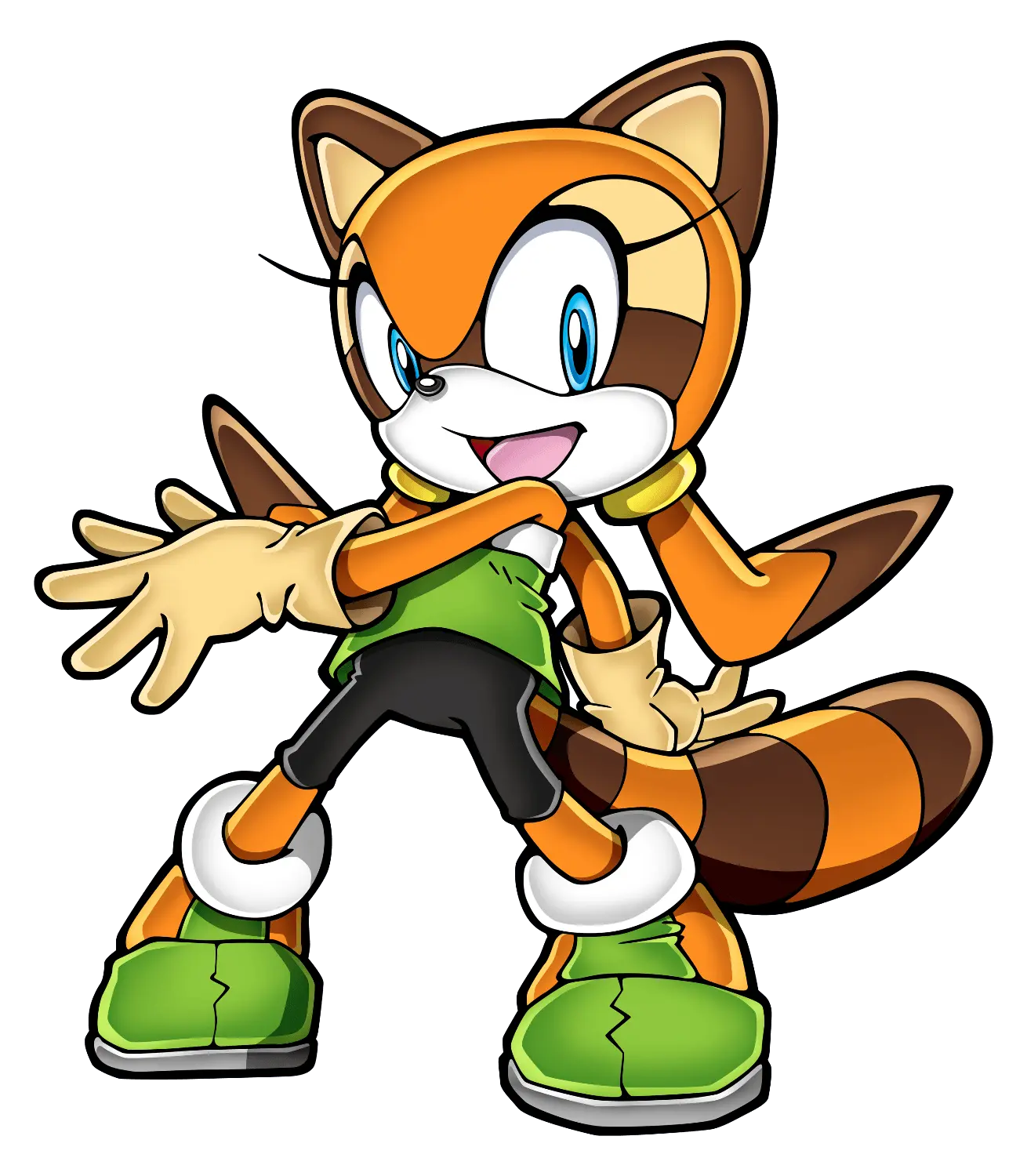
Marine the Raccoon.
On a stormy night Tails’ plane, the Tornado, picks up a powerful energy signal. Sonic and Tails head out to investigate, the Tornado is struck by lightning and sucked into a twister, and the pair wake up on the beach of Southern Island. Standing over them is Marine, a raccoon with boundless energy, an Australian accent and a burning ambition to sail the seas.
Getting home means building a boat, and building a boat means materials. Tails gets to work, Sonic goes hunting, and soon the three are zipping between islands on a waterbike, the Wave Cyclone, with Marine insisting she is in charge. They run straight into a band of robot pirates led by Captain Whisker, who is after an ancient relic called the Jeweled Scepter. Then a familiar figure arrives in a burst of flame: Blaze. They are in her dimension, she explains, and she has been fighting these pirates for some time. Whisker escapes with the Scepter, and Sonic and Blaze agree to get it back together.
An island-hopping voyage
The hunt takes them across the archipelago, helped along by Marine’s friends in the Coconut Crew, a gang of koalas who turn up with tips and missions. Marine fiddles with an ancient altar and a cave of glittering coral rises out of the sea; Whisker snatches the Scepter there while a giant mechanical kraken keeps the heroes busy. The trail leads through a fog-bound graveyard of ships, to a Viking village of polar bears frozen in ice by the pirates, and up to Sky Babylon, a floating city that lifts the heroes above the clouds and reveals that Blaze is scared of heights.
Johnny, Whisker’s first mate, keeps popping up at sea to challenge Sonic to races, and Tails keeps building, from a sailboat to a hovercraft and beyond, each new vessel opening up more of the map.
Machine Labyrinth.Coral Cave.Sky Babylon.
Marine’s moment, and the true ending
As the heroes close in on Whisker’s hideout, the others order Marine to wait behind, and Blaze goes as far as calling her a nuisance. At the hideout they beat Whisker and Johnny, but the pirates flee to deliver the Scepter to their true master, and Marine, hurt and stubborn, chases them on her own and is taken hostage. Sonic and Blaze sink the pirates’ biggest robot, the Ghost Titan, and it turns out Marine was not idle while captured: she grabbed the Scepter in the chaos. Blaze returns it to its resting place, and Marine gets her friends’ respect, along with a telling-off.
With every Chaos and Sol Emerald collected, the story goes on. The Scepter is stolen again, this time by the pirates’ creators, Dr. Eggman and Eggman Nega, who use it to power a giant machine and plan to turn Blaze’s world into Eggmanland. Super Sonic and Burning Blaze take them on, and when Nega, against Eggman’s wishes, tries to destroy the planet, Marine distracts him long enough for Sonic to land the final blow. Tails builds a craft powered by both sets of Emeralds, Sonic and Blaze promise to meet again, and Marine chases them out to sea on her new boat, vowing to study until she becomes a real captain.
Pirates’ Island.Big Swell.Deep Core.
Stages in Sonic Rush Adventure
Seven stages of two acts and a boss act, reached by boat from Southern Island, then two boss-only stages. Every stage yields a different material for Tails.
Southern IslandHubMarine’s home island and the base for everything: the shipyard, missions, time attack and the tutorial.
Plant KingdomStage 1 · boss: Ghost RexA jungle of giant plants and mushrooms, which Marine wants to rename after herself.
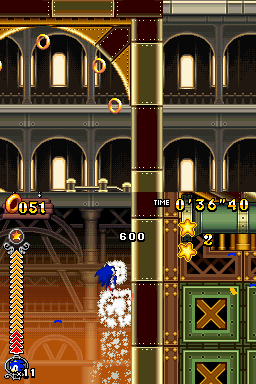
Machine LabyrinthStage 2 · boss: Ghost PendulumA cheerful steampunk island of iron roads, vacuum tubes and steam jets.
Coral CaveStage 3 · boss: Ghost KrakenA sunken grotto of crystal coral and gem-filled mine carts, raised from the sea by an ancient altar.
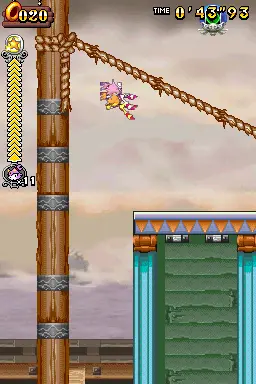
Haunted ShipStage 4 · boss: Ghost PirateA misty graveyard of wrecked ships, with bouncy rigging, robot skeletons and passing galleons firing broadsides.
Blizzard PeaksStage 5 or 6 · boss: Ghost WhaleSnowboarding down a frozen mountain, past avalanches, ice paths and half-pipes.
Sky BabylonStage 5 or 6 · boss: Ghost CondorA floating city of coloured skyways, anti-gravity crystals and balloons, high above the clouds.
Pirates’ IslandStage 7 · boss: Captain Whisker and JohnnyThe pirates’ hideout, opened with three stone markers.
Big SwellBoss stage · Ghost TitanNo platforming, just a battle at sea against Whisker’s biggest robot.
Deep CoreFinal boss · Egg WizardThe true finale against Eggman and Eggman Nega.
Off the recommended course on the Sea Chart lie 16 one-act Hidden Islands, most of them over in under a minute, plus materials to collect and Johnny to race. Blaze takes on special missions for the Sol Emeralds.
Sonic RushNintendo DS · 2005The first game, where Blaze came to Sonic’s world.
Sonic Rivals 2PSP · 2007Developed alongside Rush Adventure.
Sonic Riders2006Its floating city, Babylon Garden, shares a name with Sky Babylon, though nothing in either game links the two.
Sonic the Hedgehog2006GamesRadar saw Rush Adventure as proof the series still had life in it after the critical drubbing of the 2006 reboot.
Characters
Two playable heroes, a new best friend, a crew of robot pirates and two Eggmen behind the curtain.
Character
Who they are
In this game
Stats & abilities
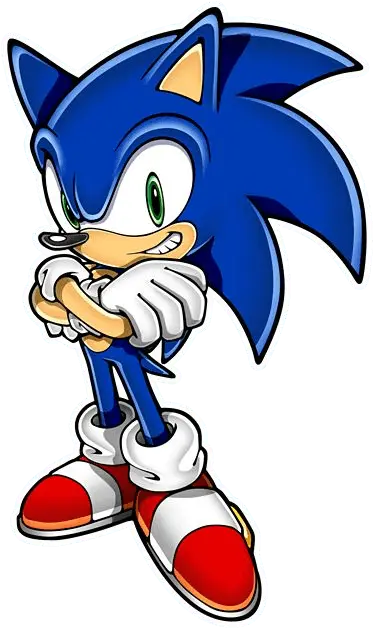
Sonic the HedgehogPlayable · Super Sonic in the finale
The hero, stranded in another dimension after a storm.
Explores for materials, races Johnny for the Chaos Emeralds, and lands the final blow on the doctors’ machine.
Boost powered by the Tension Gauge
Mid-air tricks and Hop Jump
English voice: Jason Griffith
Blaze the CatPlayable · Burning Blaze in the finale
The fire-wielding princess of this dimension, who has already been fighting Whisker’s pirates.
Teams up with Sonic to recover the Jeweled Scepter. Her fear of heights first shows in Sky Babylon.
Boost; immune to fire
Axel Tornado: a higher jump than Sonic’s
Earns Sol Emeralds through missions
English voice: Bella Hudson
Marine the RaccoonDebut · not playable
A loud, energetic young raccoon who longs to sail the seas. The developers gave her an Australian accent to match.
Finds Sonic and Tails on the beach and declares herself captain. Gets captured, steals back the Scepter, and distracts Nega at the decisive moment.
Hands out missions; leads the Coconut Crew.
Miles “Tails” ProwerSonic’s sidekick
Sonic’s best friend and the ship-builder of the trip.
Turns materials into new vessels, from the Wave Cyclone waterbike to the Ocean Tornado sailboat and the Aqua Blast hovercraft, and finally builds the craft that takes them home.
Not playable. English voice: Amy Palant.
Captain WhiskerDebut · villain
A robot pirate captain, hunting the Jeweled Scepter.
Steals the Scepter from Coral Cave, freezes the Vikings, and is fought at Pirates’ Island and in the Ghost Titan.
English voice: Lonnie Hirsch.
JohnnyDebut · Whisker’s first mate
Whisker’s right-hand robot and Sonic’s rival on the water.
Challenges Sonic to races at sea; each win earns a Chaos Emerald.
English voice: Christopher Pellegrini.
Dr. EggmanHidden villain
The pirates’ creator, working with his counterpart once again.
Steals the Scepter in the true ending and plans an Eggmanland in Blaze’s world.
English voice: Mike Pollock.
Eggman NegaHidden villain
Eggman’s counterpart from Blaze’s dimension.
Co-creator of the pirates. In the finale he goes further than Eggman wants, and tries to destroy the planet.
Fought in Deep Core inside the Egg Wizard.
Bosses
The pirates’ robots are nearly all “Ghost” machines. Names from Sonic Retro and Sonic Wiki Zone.
Sakae OsumiDirectorTook the series to sea, inspired by adventure novels, TV and films.
Akinori NishiyamaProducer · Sonic TeamDirected Sonic Rush, and stepped up to producer here.
Yuji UekawaArt directorSonic Team’s character designer.
Kouichi Sakita, Yukihiro HigashiProducer and director · DimpsLed the team at Dimps.
Tomoya Ohtani, Seirou Okamoto, Mariko NanbaComposersKept the Rush sound and added tropical and hip-hop flavours.
Teruhiko NakagawaSound directorCast the voices and made every sound effect.
How it was made
Our original page had no history section. This one combines the staff credits on Sega Retro, Wikipedia’s development summary and Sonic Retro’s release notes.
Blaze’s world, by boat
Sonic on the Wave Cyclone.
Sega Retro’s credits share the leadership between two studios. For Sonic Team, Akinori Nishiyama produced, Sakae Osumi directed and Yuji Uekawa ran the art; Dimps, which did much of the building with Sonic Team’s help while also making Sonic Rivals 2 for the PSP, supplied producer Kouichi Sakita, director Yukihiro Higashi and planning director Masaaki Yamagiwa.
Osumi’s starting point was the stuff of adventure stories, from novels to television and films, which is why the sequel puts to sea. Sonic Rush had brought Blaze into Sonic’s world, so this time the castaways land in hers, and the newcomers follow from that: Marine the Raccoon greets them and gives them a reason to explore, with an Australian accent to make her brash and energetic, while a crew of robot pirates became the villains.
Rush’s engine, more touch
The soundtrack from Tomoya Ohtani, Seirou Okamoto and Mariko Nanba keeps the first game’s style and adds tropical and hip-hop flavours, and sound director Teruhiko Nakagawa chose the voice cast and made every sound effect himself. Underneath sits Sonic Rush’s technology, upgraded with a moving camera and more 3D, above all in the boss battles, while the touch screen gets far more work, from steering the boats to a new tutorial system.
Release, and a first for Nintendo
Sega unveiled the game on 16 April 2007 and had a playable version at E3 that July. It reached Europe, North America and Australia in September 2007 and Japan on 18 October. Two years later, on 17 September 2009, Nintendo published it in South Korea, the first Sonic platformer with Nintendo’s name on it as publisher (Mario & Sonic at the Olympic Games had already been a Nintendo release in Japan and Korea). A French Pack Exceptionnel bundled a T-shirt and key ring, and in June 2009 it resurfaced as a UK social-media prize.
Firsts: what this game introduced
New ideas, new faces and one unusual publisher.
1Marine the RaccoonThe would-be captain from Blaze’s world makes her debut.
2Robot piratesCaptain Whisker, Johnny and their Ghost machines.
3Sailing between stagesFour touch-controlled vessels and a Sea Chart to explore.
4Sonic in Blaze’s worldThe first time Sonic visits Blaze’s dimension.
5Published by NintendoNintendo’s 2009 Korean release made it the first Sonic platformer that Nintendo published; Mario & Sonic at the Olympic Games, which Nintendo published in Japan and Korea in 2007, came first overall.
6100 missionsSide jobs from the Coconut Crew, with music and island upgrades as rewards.
Cheats & secrets
Our original Sonic Rush Adventure page had no cheats section. The game has no button codes, so this is a guide to its secrets and unlockables, checked against Wikipedia and Sonic Retro.
Chaos Emeralds
Sail off the recommended course on the Sea Chart until you meet Johnny. Beat him in a race on the Wave Cyclone and you win a Chaos Emerald. There are seven races in all.
Sol Emeralds
Blaze earns these by completing a series of special missions, given out by Marine at certain points in the story.
The true ending
Finish the normal ending with all seven Chaos and Sol Emeralds and the extra boss, the Egg Wizard in Deep Core, becomes available.
Hidden Islands
Sixteen short bonus stages hide on the map, away from the main route. They are a good source of extra materials.
100 missions
Members of the Coconut Crew set challenges such as beating a stage within a time limit or a boss with a single ring. Some are needed to progress; others unlock music tracks and decorations for Southern Island.
Checked against Wikipedia and Sonic Retro, November 2026.
Glitches, exploits and oddities
Rush Adventure’s oddities are mostly about what it says rather than how it plays.
The word that changed a rating
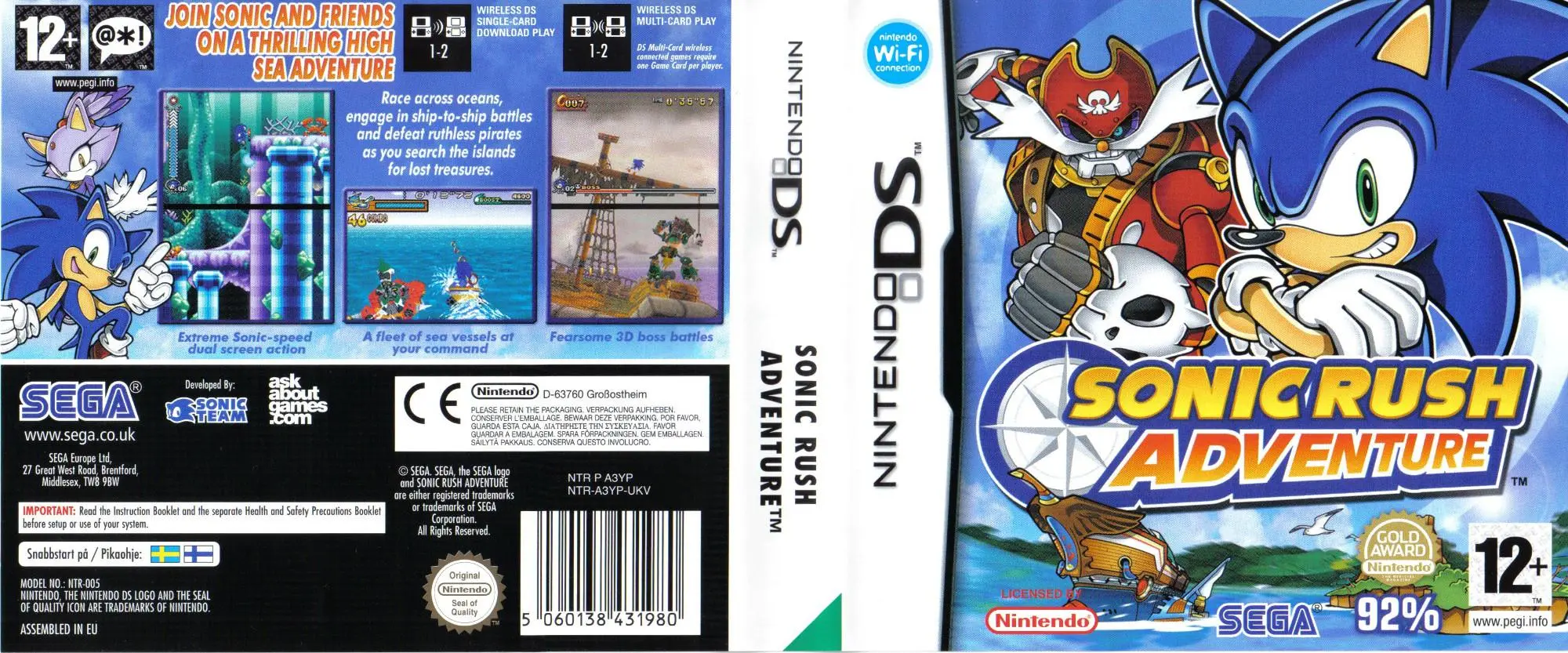
The European box.
The original European release used the word “bugger” in its dialogue, a swear word in British English, so PEGI rated it 12+. The line was rewritten and the game reissued with a 3+ rating, which is why Sega Retro lists separate PEGI 3 editions.
A floating city by any other name
Sky Babylon shares a name with Babylon Garden, the floating city of Sonic Riders, yet nothing in either game connects the two.
Who built the Machine Labyrinth?
The game never says. Sonic Retro points out that Eggman Nega is the only known roboticist in Blaze’s world, but that is guesswork.
Videos & media
A complete run of the game, and one of Sega’s trailers.
A full playthrough from the World of Longplays archive.
The first trailer, as archived on YouTube.
Trivia & facts
Marine was given an Australian accent to make her sound loud and active.
Blaze the Cat.Blaze’s fear of heights, a running joke, first comes out in Sky Babylon.
The French Pack Exceptionnel came with a T-shirt and a key ring.
The Viking polar bears of Blizzard Peaks are long-standing enemies of Whisker’s pirates.
Marine’s friends in the Coconut Crew are koalas.
Media & artwork
Box art, artwork and screenshots, from Sonic Scene’s own galleries and Sonic Retro. Select any image to view it larger.
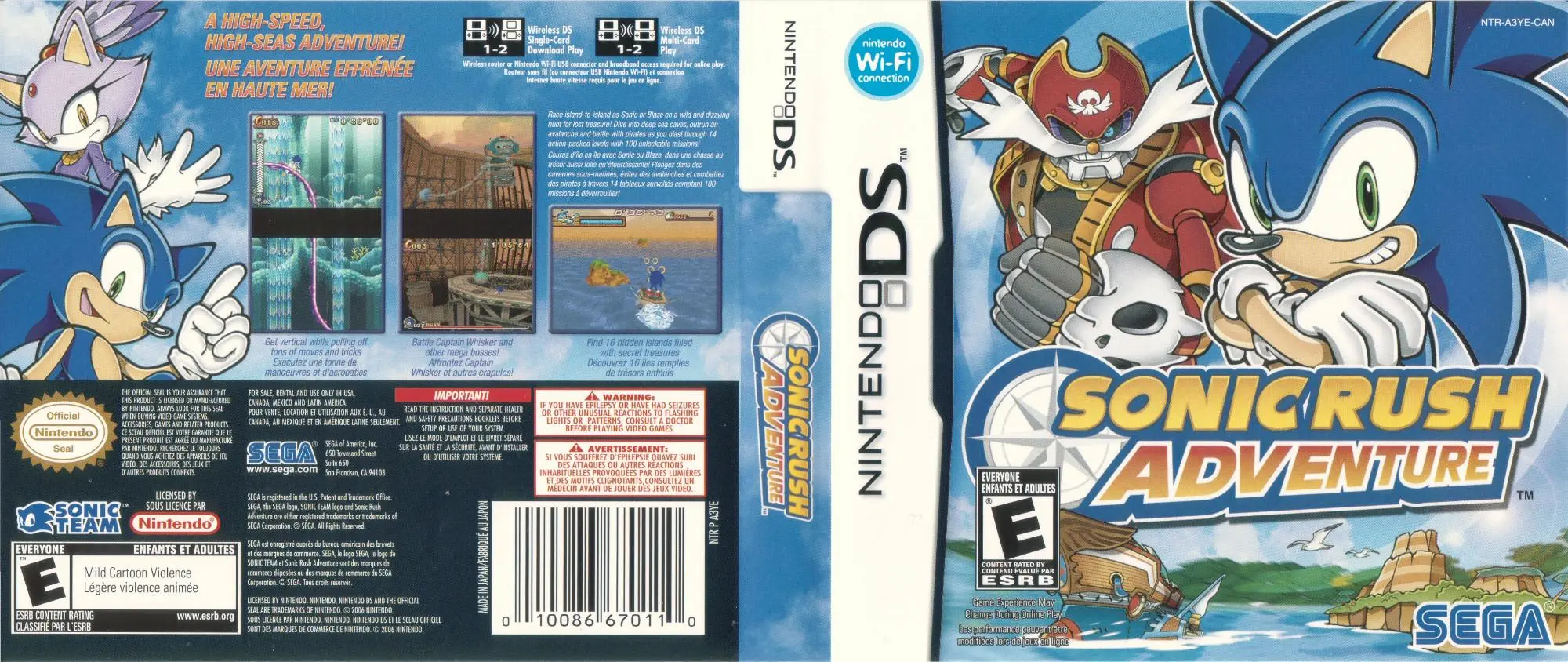
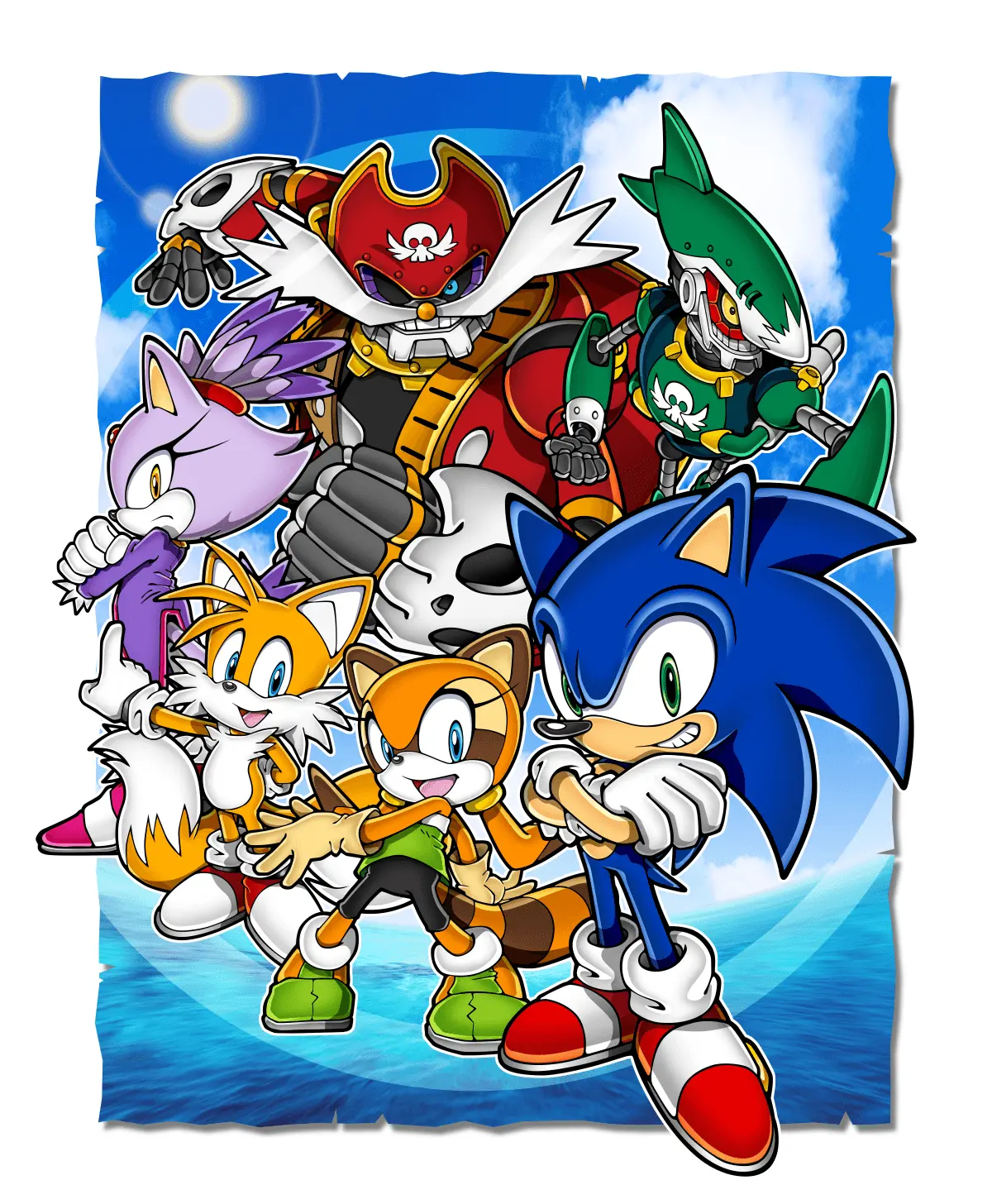
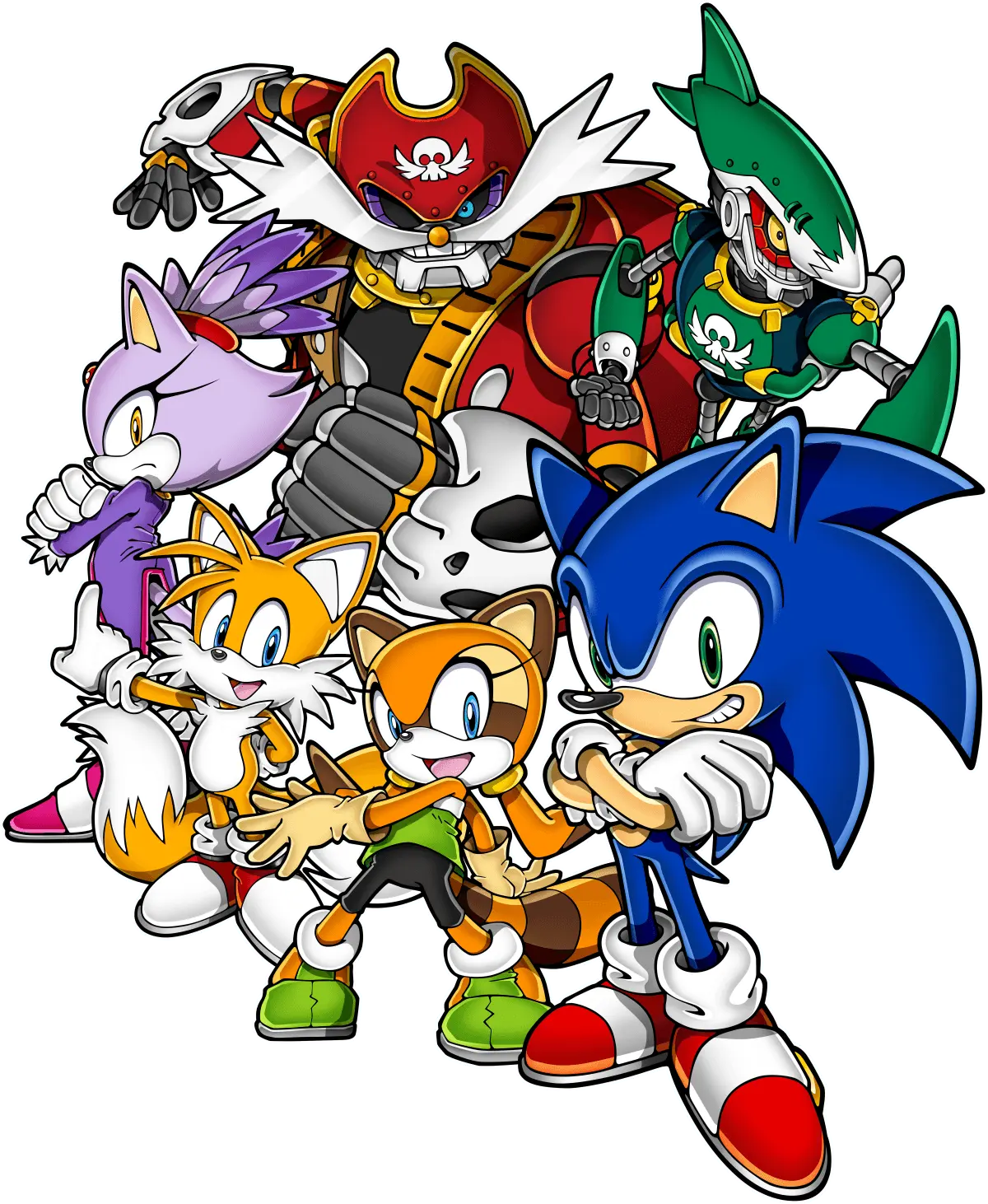
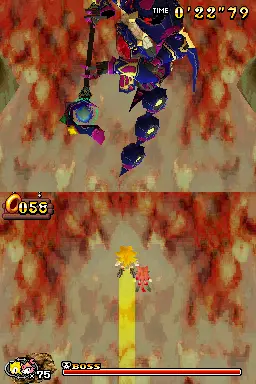
The German box.North American box, front and back.European box, front and back.Canadian box, front and back.The South Korean box.North American game card.European game card.The cast.Sonic.Sonic.The logo.The Japanese logo.Across both screens.Below the waves.Out at sea.On the water.A storm at sea.A boss encounter.Sonic vs. Blaze.Plant Kingdom.Tokyo Game Show 2007.Blizzard Peaks.
Rush Adventure was the last game in the Rush series. Blaze, the series’ other star, has appeared in many Sonic games since.
Releases
Nintendo DS (Europe)September 2007 – 13, 14 or 28 September depending on the source; later reissued with a PEGI 3 rating.
Nintendo DS (North America)18 September 2007 – Sega of America.
Nintendo DS (Australia)27 September 2007 – Sega.
Nintendo DS (Japan)18 October 2007 – ¥4,800.
Nintendo DS (South Korea)17 September 2009 – Published by Nintendo.
Where to play it today
On a Nintendo DS or 3DS, with the original game card.
Sales & reviews
Sales
Sega’s results for the 2008 financial year, as compiled by Sonic Retro, list about 114,300 copies sold in the US and 234,800 in Europe, which adds up to some 349,100 (the table’s own running total says 378,300, but its rows do not add up to that). We have not found Japanese figures.
349kCopies in the US and Europe (Sega figures)
78Metacritic score
85%GamePro, US
90%Nintendo Power, US
Reception and review scores
Magazine scores from Sega Retro’s review index, with online and magazine scores from Wikipedia’s review table, converted to percentages.
Nintendo PowerUS
9/10
Nintendo World ReportUS · online
8.5/10
GameProUS
85%
GameSpyUS · online
4/5
GameSpotUS · online
8/10
IGNUS · online
8/10
EurogamerUK · online
8/10
FamitsuJapan
80%
Electronic Gaming MonthlyUS
72%
The looks and sound carried the reviews. IGN praised the upgraded graphics and smooth animation, GameSpot called the boss fights a spectacle, and GameSpy felt the 3D touches still brought back the Mega Drive classics; the catchy, hip-hop-flavoured soundtrack went down well everywhere. Official Nintendo Magazine said it reminded them what made Sonic great, Games Master that it showed why he had lasted so long, and Pocket Gamer liked how the boats opened the game up.
Then came the caveats. GameSpot and IGN both felt it recycled too much of the first game, IGN noticed the frame rate dipping in busy boss battles, and the story was widely found slow and talky; Nintendo World Report was glad the cutscenes could be skipped. The material hunt was the other sore point, called forced, repetitive or tedious depending on who you asked. GamesRadar, for one, took it as a sign that the series still had life in it after the 2006 Sonic the Hedgehog.
Reader reviews
No reader reviews yet. Played it? Give it a score out of 10 and tell other fans what you think.
Every fact on this page was checked against the sources below. Sonic Retro and Sega Retro pages were read through Wayback Machine copies from late 2024 to early 2026, because both live sites show a bot check; each Sonic Retro link opens the nearest archived copy. Magazine scores come from Sega Retro’s review index, which links each score to a scan of the original page.
To provide the best experiences, we use technologies like cookies to store and/or access device information. Consenting to these technologies will allow us to process data such as browsing behavior or unique IDs on this site. Not consenting or withdrawing consent, may adversely affect certain features and functions.
Functional
Always active
The technical storage or access is strictly necessary for the legitimate purpose of enabling the use of a specific service explicitly requested by the subscriber or user, or for the sole purpose of carrying out the transmission of a communication over an electronic communications network.
Preferences
The technical storage or access is necessary for the legitimate purpose of storing preferences that are not requested by the subscriber or user.
Statistics
The technical storage or access that is used exclusively for statistical purposes.The technical storage or access that is used exclusively for anonymous statistical purposes. Without a subpoena, voluntary compliance on the part of your Internet Service Provider, or additional records from a third party, information stored or retrieved for this purpose alone cannot usually be used to identify you.
Marketing
The technical storage or access is required to create user profiles to send advertising, or to track the user on a website or across several websites for similar marketing purposes.






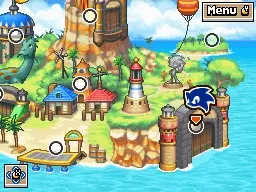 Southern IslandHubMarine’s home island and the base for everything: the shipyard, missions, time attack and the tutorial.
 Blizzard PeaksStage 5 or 6 · boss: Ghost WhaleSnowboarding down a frozen mountain, past avalanches, ice paths and half-pipes.
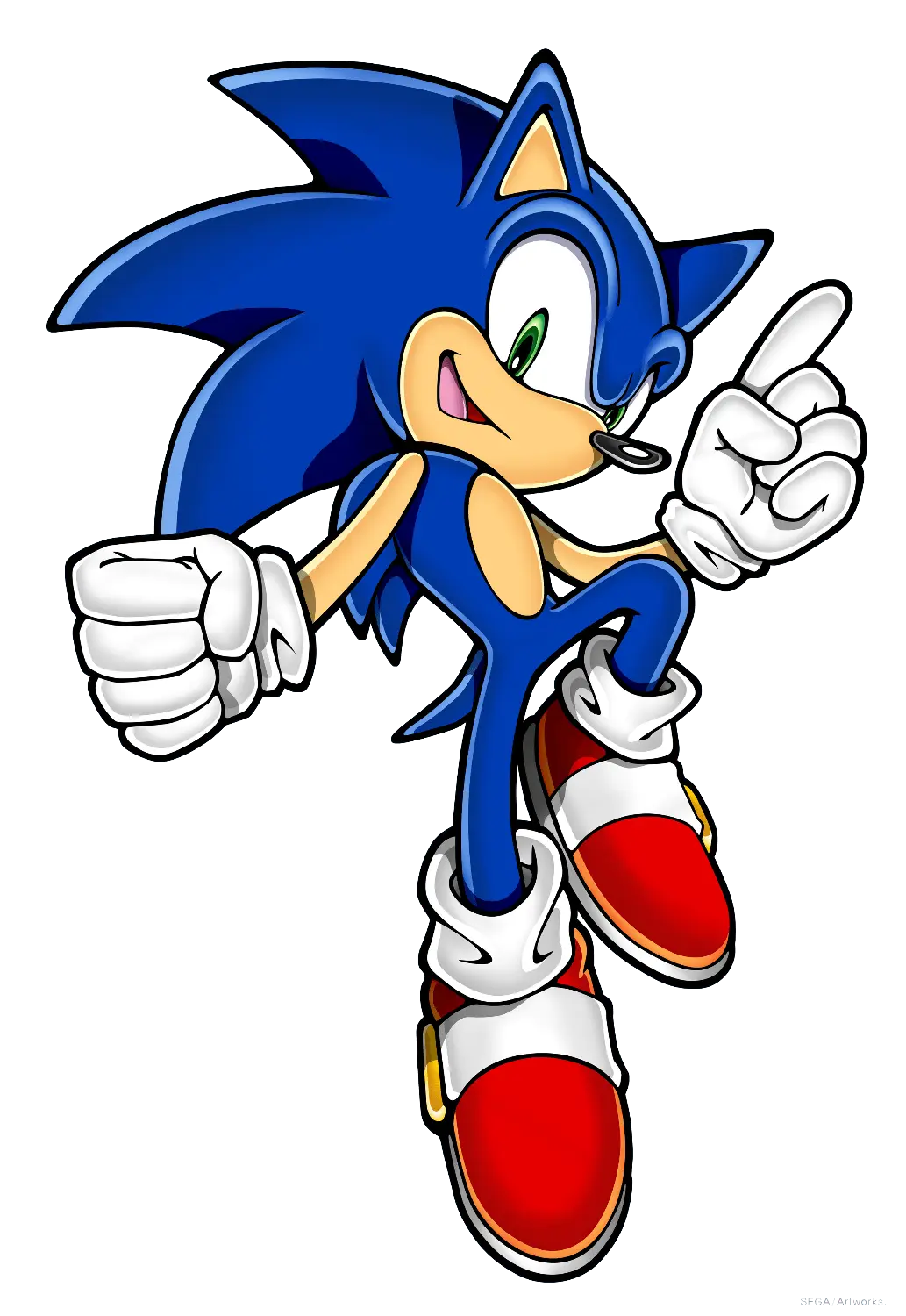 Sonic the HedgehogPlayable · Super Sonic in the finale
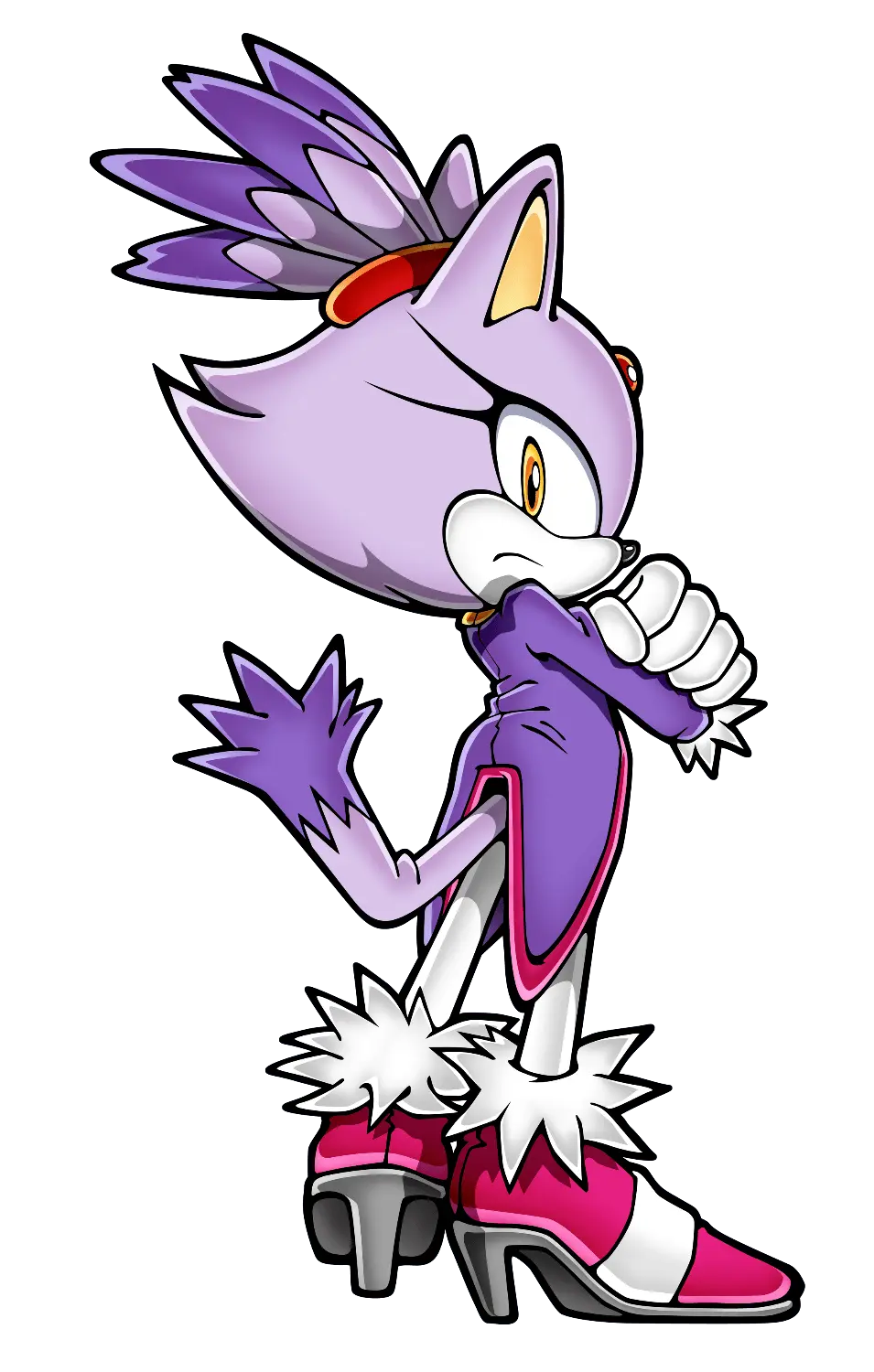 Blaze the CatPlayable · Burning Blaze in the finale
 Miles “Tails” ProwerSonic’s sidekick
 Captain WhiskerDebut · villain
 JohnnyDebut · Whisker’s first mate
 Dr. EggmanHidden villain
 Eggman NegaHidden villain