Dr. Robotnik has built a funfair in the shape of a tower and hidden a Chaos Emerald on each floor. Sonic, Tails and Amy climb it one mini-game at a time, on the learning computer Sega made for small children.
ReleasedAug 1994 (Japan) · Nov 1996 (North America)
DeveloperAspect, for Sega
FormatPico cartridge with a Storyware picture book
Players1 or 2
StarringSonic, Tails and Amy, with Dr. Robotnik
ForChildren aged about four to seven
Title
Sonic the Hedgehog’s Gameworld Japan: ソニック・ザ・ヘッジホッグ・ゲームワールド (Sonikku za Hejjihoggu Gēmu Wārudo)
Platform
Sega Pico
Developer
Aspect (our original page: Aspect Co Ltd)
Publisher
Sega: Sega Enterprises in Japan, Sega of America in North America
Sonic the Hedgehog’s Gameworld is one of only two Sonic games on the Sega Pico, the chunky laptop-style learning computer for children too young for a joypad, which Sega launched in Japan in June 1993 and in America and Europe in late 1994. Instead of zones there is a funfair: Dr. Robotnik has built Gameworld, a tower of attractions, and Sonic, Tails and Amy work their way up it through a run of quick, colourful mini-games, from a car race and a basketball shoot-out to a whack-a-mole stall where the moles are all Robotnik.
It was made by Aspect, the Japanese studio behind most of the Game Gear Sonic games, and it reached Japan in August 1994. American children had to wait more than two years: Sega of America only released it in November 1996, in a reworked version that dropped the Japanese cartridge’s gambling and fortune-telling games and added a drawing page instead.
Everything is played with the Pico’s Magic Pen and a couple of buttons, and the picture book that came with the cartridge, the Storyware, changes the game as each page is turned. It is simple, cheerful and short, and it is a genuine curiosity: a Sonic game built for four-year-olds.
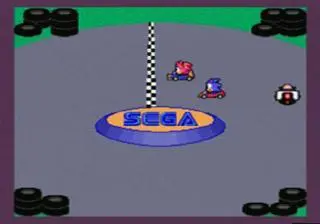
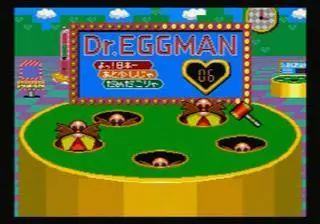
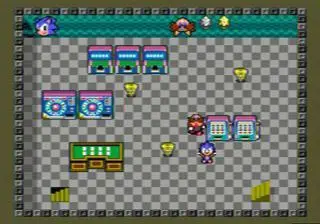
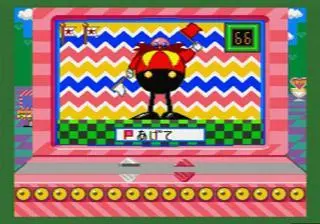
Car Race on the first floor.Robotnik Bop.The Diamond Maze on the roof.
The most popular videogame superhero comes to Pico.
So ran the headline when Sega of America launched the game in October 1996. Its press release promised children of four to seven a trip to the fair with Sonic, Tails and Dr. Robotnik, thirteen games and activities built around strategy, memory and hand-eye skills, and the line from the Pico’s marketing director that Sonic was a role model for young children, so the Pico ought to have a Sonic title of its own.
— Official description: Sega of America press release, 29 October 1996, as archived by Sega Retro. Headline quoted; the rest summarised.
Quick Answers
The short answers, with the detail further down the page.
When did Sonic the Hedgehog’s Gameworld come out?
In Japan in August 1994, and in North America in November 1996, more than two years later. More →
What is the Sega Pico?
Sega’s learning computer for young children, launched in Japan in June 1993 and in North America and Europe in late 1994: Mega Drive hardware in a laptop-shaped case. You play with the Magic Pen stylus, and every cartridge comes with a picture book. More →
Who made it?
Aspect, the Japanese studio behind most of the Game Gear Sonic games, for Sega. More →
What do you actually do?
Play a string of short mini-games on each floor of Robotnik’s tower: racing, ball games, a flag game, a toy grabber, Robotnik Bop, a shell game with eggs, memory cards and a maze race to the Chaos Emeralds. More →
Who can you play as?
Sonic, Tails or Amy, alone or with a second player. More →
Is the Japanese version different?
Yes. It has extra games, including a slot machine, a roulette wheel and a fortune-telling page, which the American release left out; the US version has a drawing page instead. More →
Is it the first Sonic game on the Pico?
Yes. It reached Japanese shops in August 1994, shortly before Tails and the Music Maker came out in America. More →
Plot / Story
Sonic, from our Gameworld artwork gallery.
Every Sonic game needs a scheme, and this one is gloriously small-scale. Dr. Robotnik has opened a funfair. Gameworld is a tall tower of rides, stalls and sideshows, and on every floor the doctor has hidden a Chaos Emerald. Sonic, Tails and Amy have to play his games, beat them, and keep climbing.
Nobody is in danger and nothing explodes. The tone is pure Saturday afternoon at the fair, with Sonic, his friends and even Robotnik popping up with messages as you play. The climb ends on the roof, where the doctor himself is waiting for a race through a maze to the last of the Emeralds.
How it plays
You pick one or two players, choose Sonic, Tails or Amy, and set the difficulty to Easy or Hard. Sliding the Magic Pen over the drawing pad moves a cursor round the scene; point at an attraction and an icon tells you whether that game uses the pen, the direction buttons or the big red button.
Each game hands out points for how well you do, and two players either race side by side, one on the purple direction button and one on the green, or take turns. Hard mode simply makes the opponents quicker, the targets smaller or the timer tighter.
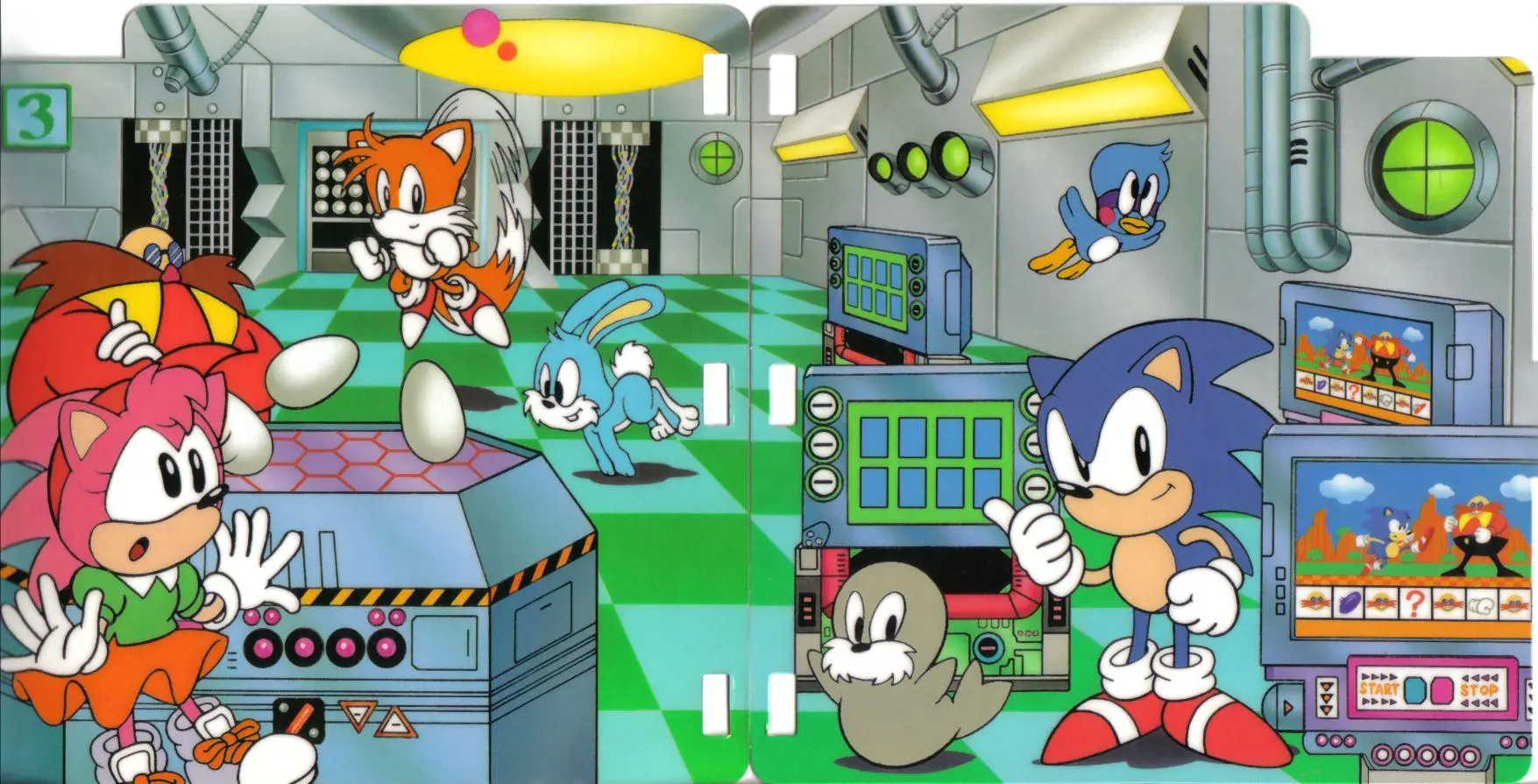
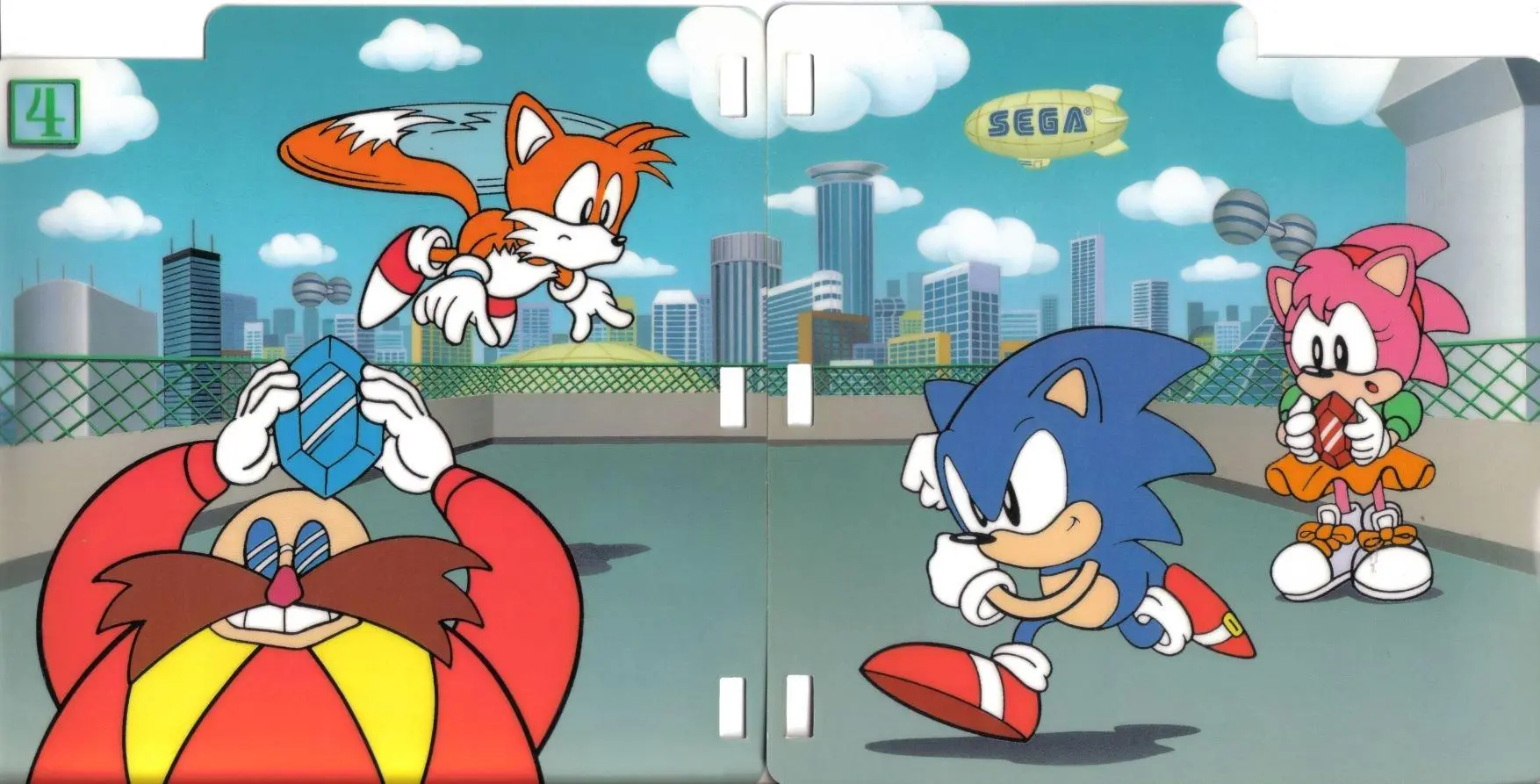
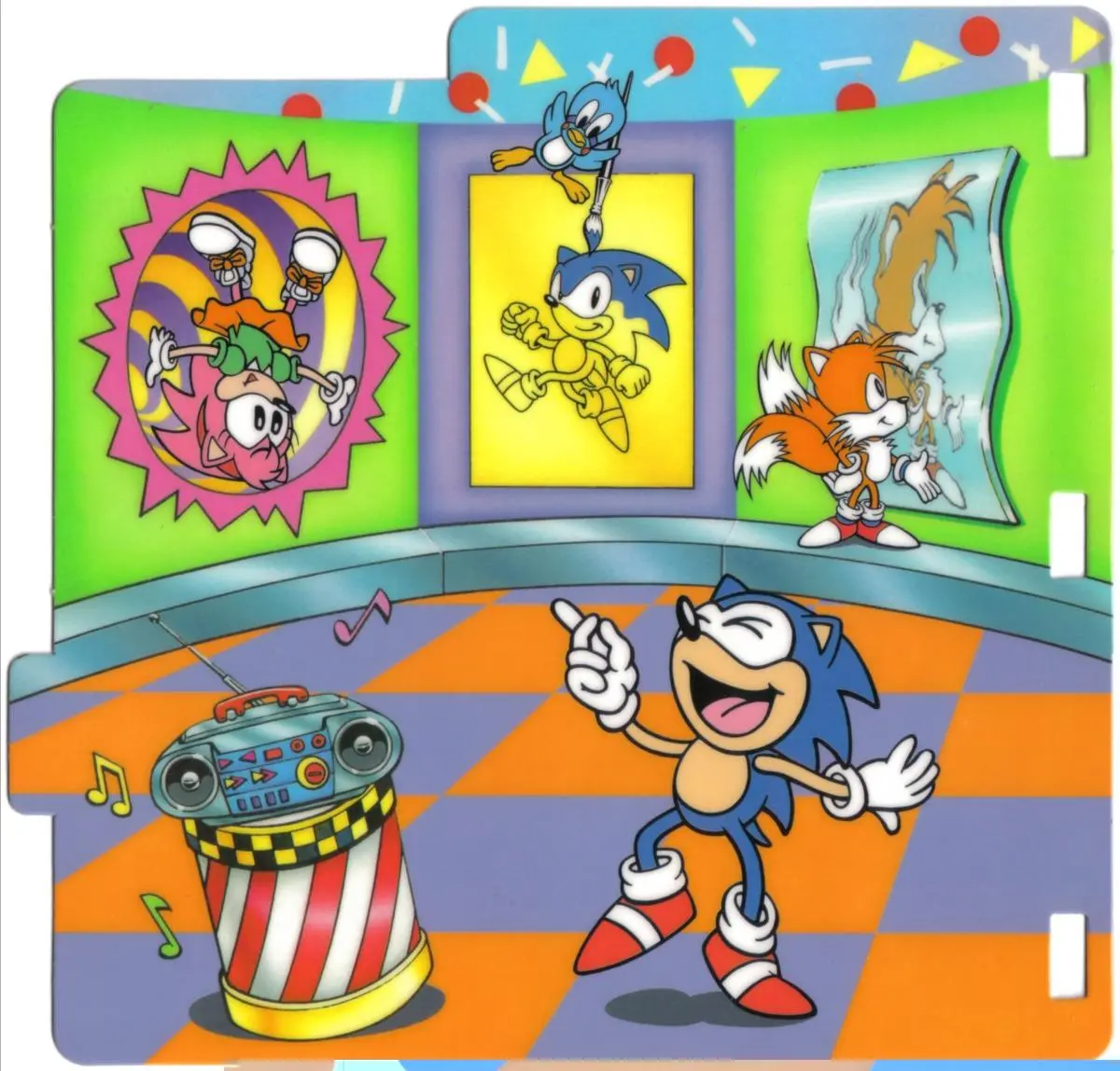
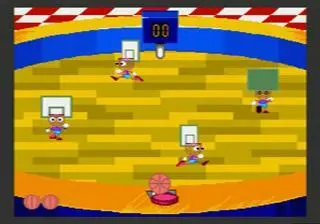
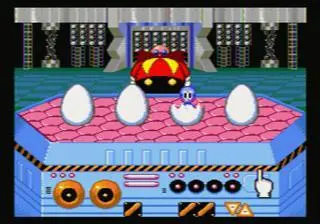
The Storyware book.Hoops.The Egg Switch Game.
The floors of Gameworld
The North American version, as its Parents’ Guide lays it out. Pictures are from our own screenshot gallery.
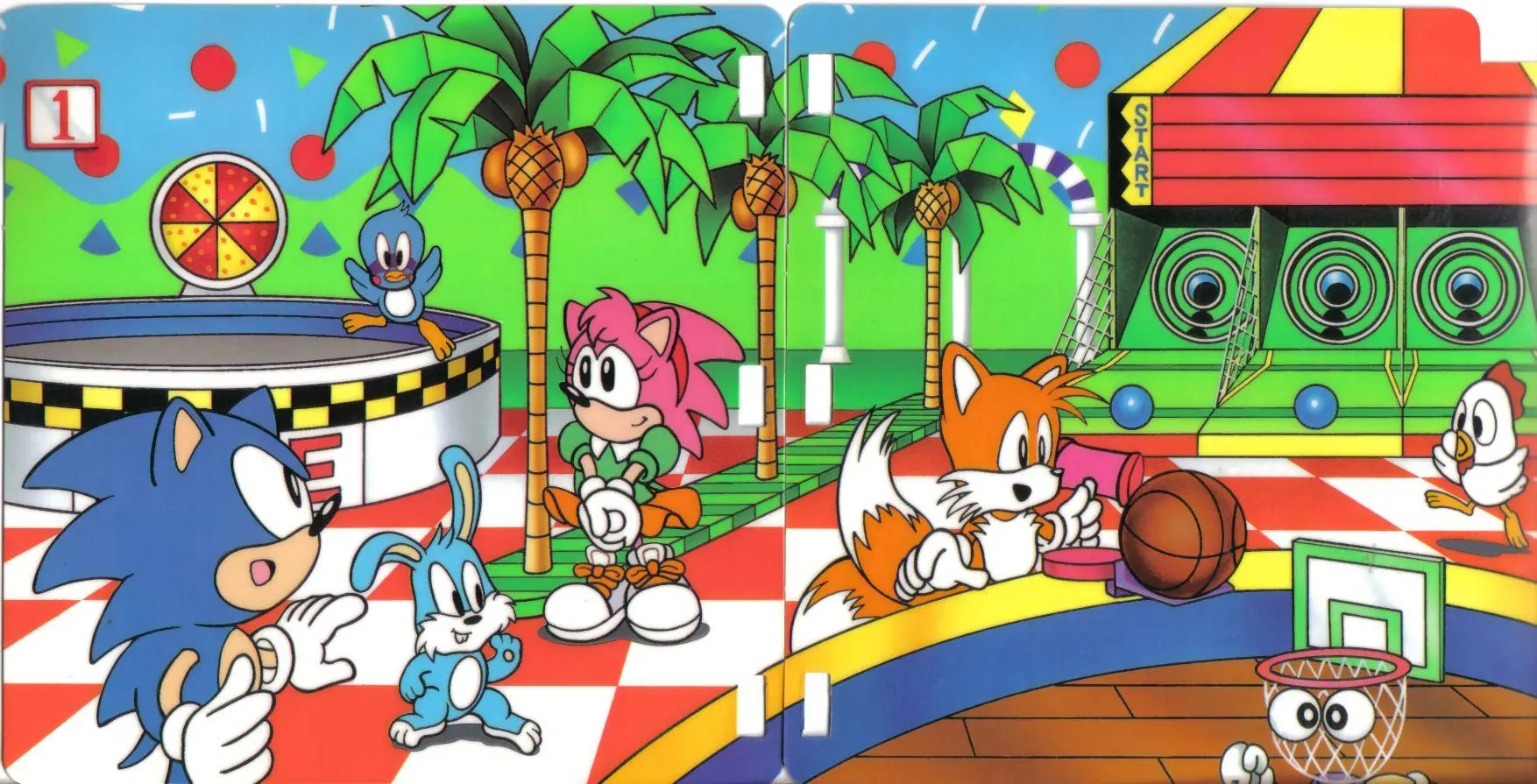
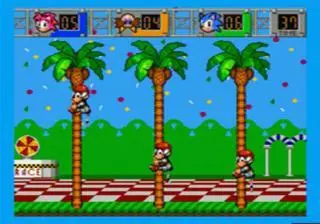
First floor: sportsCar Race · Sonic-Ball · Tree Climb · HoopsHammer the red button to win a race, time a throw on a swinging gauge, help Coconuts scramble up a palm tree as often as possible in a minute, and shoot five basketballs at four moving hoops.
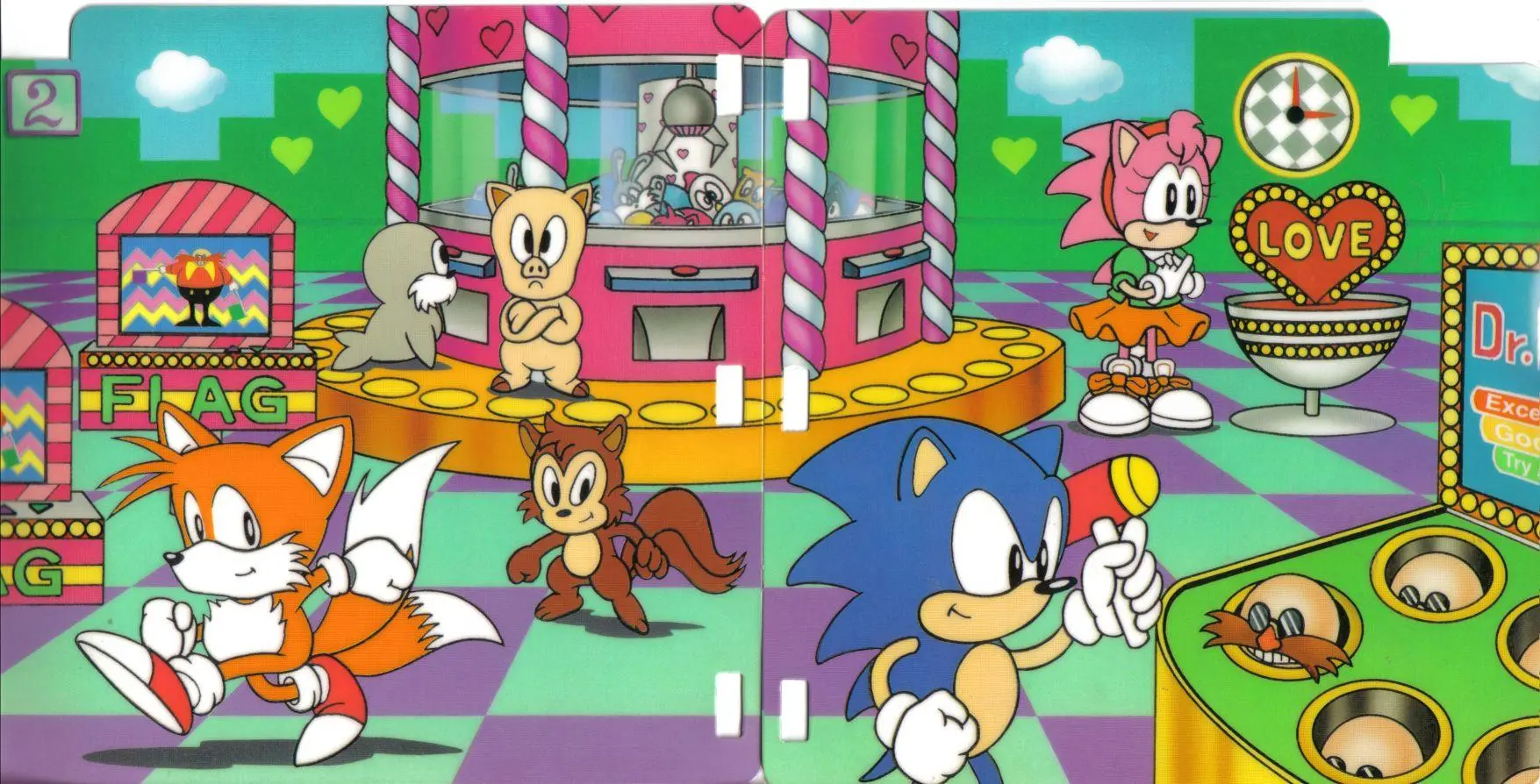
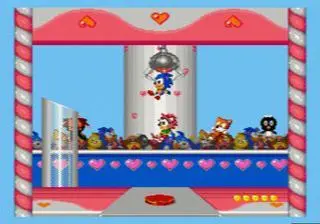
Second floorFlag Game · Toy Drop · Robotnik BopMake Robotnik raise the right flags on cue, grab toys off a conveyor belt with a robot arm, and bop as many pop-up Robotnik toys as you can.
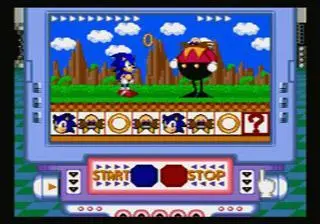
Third floorEgg Switch Game · Concentration · Sonic vs Dr. RobotnikFollow the egg with a Flicky inside as four eggs shuffle, find six pairs among twelve cards, and stop a spinning roulette to decide a Sonic versus Robotnik duel.
The roofDiamond MazeRace Robotnik through a four-level maze and reach three Chaos Emeralds before he does.
Last pageCreate your own GameworldA paint program with popcorn-bag colours, pencils, markers, a spray can, a paint bucket and stamps, plus a Sonic who follows the pen around.
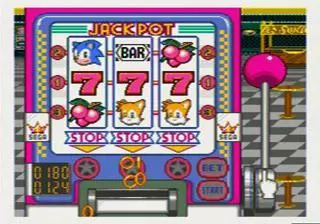
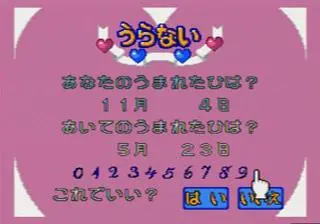
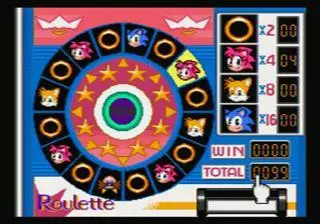
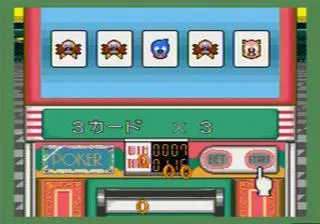
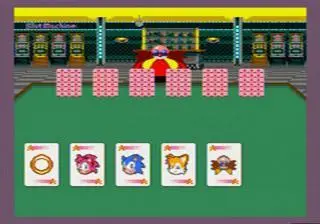
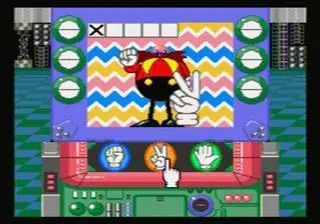
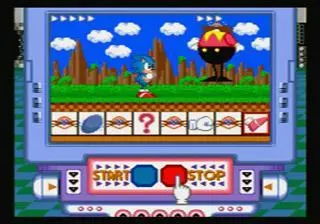
The Japanese cartridge had more on its floors. Our screenshot gallery, taken from it, includes a slot machine, a roulette wheel and a fortune-telling page, none of which made the trip to America.
Tails and the Music MakerSega Pico · 1994The other Sonic Storyware, made in America by Realtime Associates, with Tails as a music teacher.
Sonic’s SchoolhousePC · 1996Sega’s next learning game with Sonic, a first-person 3D school for Windows, released in the same autumn that Gameworld finally reached America.
One of six for 1996Sega of America · October 1996Sega’s launch announcement counted Gameworld as one of six Sonic games arriving on its machines that year.
Sonic the Hedgehog Encyclo-speed-iaDark Horse · 2021Sega’s official encyclopedia gives the game a place in its look at learning with Sonic.
Characters
Three heroes to choose from, one villain running the show, and a few familiar animals in the scenery. Character art is from Sonic Scene’s Gameworld artwork gallery.
Character
Who they are
In this game
Stats & abilities
Sonic the HedgehogPlayable
Sega’s mascot, here as a friendly guide for very young players.
One of the three heroes you can pick to represent you. He also drops in with tips, and on the drawing page a little Sonic chases your pen around.
Selectable player character
Stars in the Sonic vs Dr. Robotnik duel
Miles “Tails” ProwerPlayable
Sonic’s two-tailed best friend.
A second choice of hero for one or two players.
Selectable player character
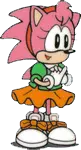
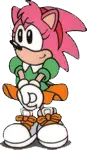
Amy RosePlayable
Sonic’s devoted admirer and would-be girlfriend.
The third playable hero, and one of the trio on the title screen.
Selectable player character
Dr. RobotnikDr. Eggman in Japan
Sonic’s arch-enemy, as showman rather than conqueror.
Builds Gameworld and hides the Emeralds. He is your puppet in the Flag Game, your target in Robotnik Bop, your opponent in the duel and your rival in the Diamond Maze.
Faster on Hard
Final race on the roof
CoconutsMonkey Badnik
A monkey Badnik from Sonic 2, best known for throwing coconuts.
In Tree Climb each player steers a Coconuts up a palm tree, and every trip to the top counts.
One-minute match
Slips back to the ground at the top
Who else lives here
Sonic’s animal friends from the first game turn up too.
FlickyEgg Switch GameHidden in one of four eggs that shuffle round the table. Pick the right one.
PockyArtworkThe rabbit from Sonic 1, part of the game’s art set in our gallery.
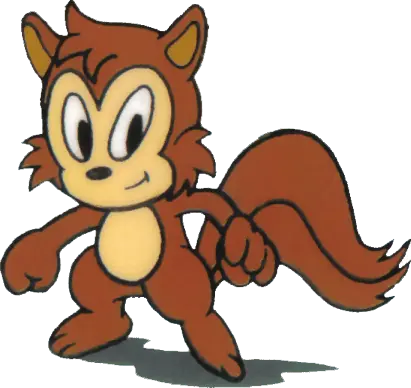
RickyArtworkThe squirrel from Sonic 1, also in the art set.
The people who made it
From the in-game credits, as listed by Sega Retro.
AspectDeveloperThe studio behind most of the Game Gear Sonic games, working here with executive producer Kazuyuki Oikawa and producer Hiroyuki Saigusa.
Hiro 777, Toshiaki ArakiProgrammersThe programming team; the first is credited only by a nickname.
Fumikazu Sugawara, Masayo YoshiokaDesignersCredited as the game’s designers.
Koujiro MikusaSound composerWrote the music.
Cindy Hardgrave, Julie Hayward-SenatoreSega of AmericaExecutive producer and producer of the American release; P.J. Robinson is credited as educational consultant.
How it was made
Our original page had no history section, so this one is new.
Sonic for the youngest players
The Pico logo, from our own gallery.
Sega launched the Pico in Japan in June 1993, and in North America and Europe in late 1994, as an “edutainment” machine: the insides of a Mega Drive in a plastic case that opens like a laptop, with a drawing pad and the Magic Pen. Sega of America later sold it as the computer that thinks it is a toy. With Sonic as the company mascot, two of its Storyware books used his world, and Gameworld was the first of them.
Aspect, Sega’s regular partner on handheld Sonic games, built it. The Japanese cartridge carries an August 1994 date, and two revisions of it from that month have been preserved.
Two years to America
The American Sonic vs Dr. Robotnik.
The American release took until the autumn of 1996. Four prototype discs from July and August that year survive, and the finished cartridge is dated August 1996. The localisation went further than a new title: the Japanese version’s slot machine, roulette and fortune-telling games did not make it across, and a page for drawing your own Gameworld took their place.
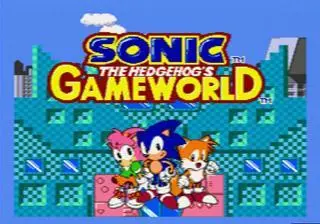
Smaller changes show up from the very first screen. The American version moves the Sega logo above the Pico logo, swaps a black background for green, puts the copyright notice on its own screen, and recolours the title screen so that Sonic and Tails look darker.
Launch
Sega of America announced the launch on 29 October 1996 at US$39.99, with the Pico itself selling for US$139.99. The announcement pitched the game at children of four to seven and listed the skills it would help with: strategy, memory, analytical thinking, motor skills and hand-eye coordination.
Firsts: what this game introduced
What Gameworld brought to the series.
1Sonic on the PicoSega called it Sonic’s debut on the Pico, and it was the first of the two Sonic Pico games to appear.
2Learning with Sonic, at lastThe first try at an educational Sonic, Sonic’s Edusoft for the Master System, was cancelled in 1991. Gameworld put the idea in shops three years later.
3Gameworld itselfRobotnik’s funfair tower, a location built for this game, with a Chaos Emerald on every floor.
Glitches, exploits and oddities
No bugs are documented. These are the game’s oddities.
Missing an apostrophe
The Japanese cartridge’s internal header names the game SONIC THE HEDGEHOG GAMEWORLD. The American one adds the possessive and calls it SONIC THE HEDGEHOG’S GAMEWORLD, twice.
Gambling for toddlers
The Japanese slot machine.
For a game aimed at four-year-olds, the Japanese floors held some surprising attractions: a jackpot slot machine, a roulette wheel and a fortune-telling page. None of them survived the trip to America.
Two Japanese revisions
Two revisions of the Japanese ROM have been preserved, and both carry the same August 1994 date.
A darker Sonic
Put the two title screens side by side and the American one has a darker Sonic and Tails and a greener tower with shadowy windows, while Amy barely changes.
Videos & media
A complete playthrough of the American version, and a longplay from the Retro View channel.
A full playthrough by NintendoComplete.
A longplay from the Retro View channel.
Trivia & facts
The American cartridge.Sega pitched the Pico as the computer that thinks it’s a toy. When Gameworld reached America, the machine itself cost US$139.99, the price of three Gameworld cartridges and change.
By Sega’s count there are thirteen games and activities in the American version.
In Robotnik Bop the moles are all little Robotnik toys, and you need more than twenty hits for the full twenty points.
The Flag Game puts you in charge of Dr. Robotnik for once: he raises a purple or a green flag whenever you press the matching button.
One of the two programmers is credited simply as Hiro 777.
Two players race side by side in some games by sharing the Pico’s direction buttons, one on purple and one on green.
Legacy
Gameworld’s place in history is as the first of Sonic’s two Pico games and an early step in his sideline as a teacher.
Releases
Sega Pico (Japan)August 1994 – Sega, ¥3,980.
Sega Pico (North America)November 1996 – Sega of America, US$39.99, after a launch announcement on 29 October.
Sonic the teacher
The idea stuck. Tails got his own Pico book, Tails and the Music Maker, and in the same autumn Gameworld reached America, Sega put Sonic in charge of a whole school in Sonic’s Schoolhouse for the PC. LeapFrog’s Sonic games for its Leapster and Didj handhelds carried the idea into the 2000s. Neither Sonic Retro nor Sega Retro lists any re-release of Gameworld itself.
Sales & reviews
Sales and reviews
No sales figures have been published, and we have not found a period review score to list.
13Games and activities, by Sega’s count
4–7Target age range
US$39.99American price, 1996
4American prototype discs preserved
Reader reviews
No reader reviews yet. Played it? Give it a score out of 10 and tell other fans what you think.
Box art, the Storyware book, artwork and screenshots, from Sonic Scene’s own galleries and Sonic Retro. The screenshots come from the Japanese cartridge unless marked. Select any image to view it larger.
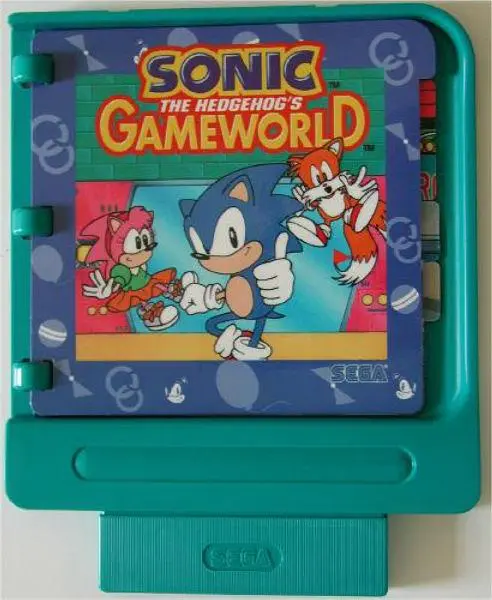
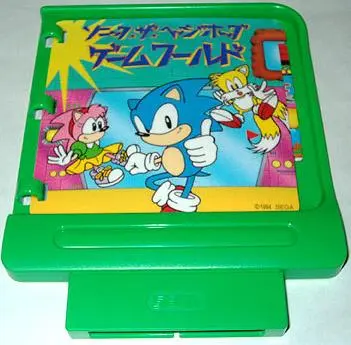
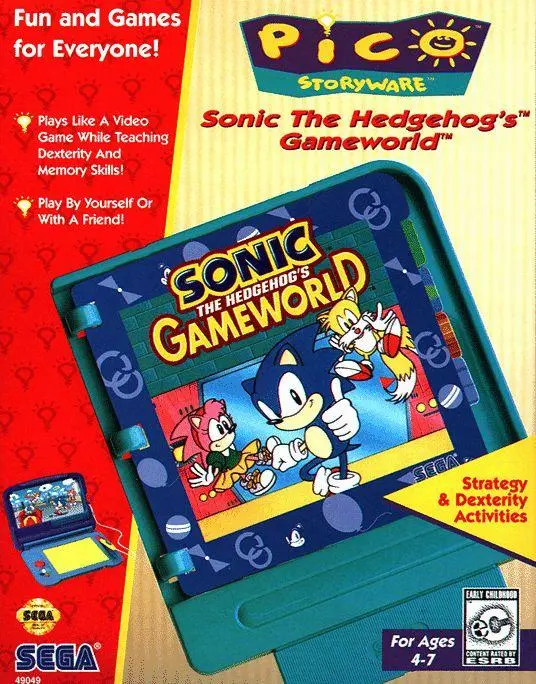
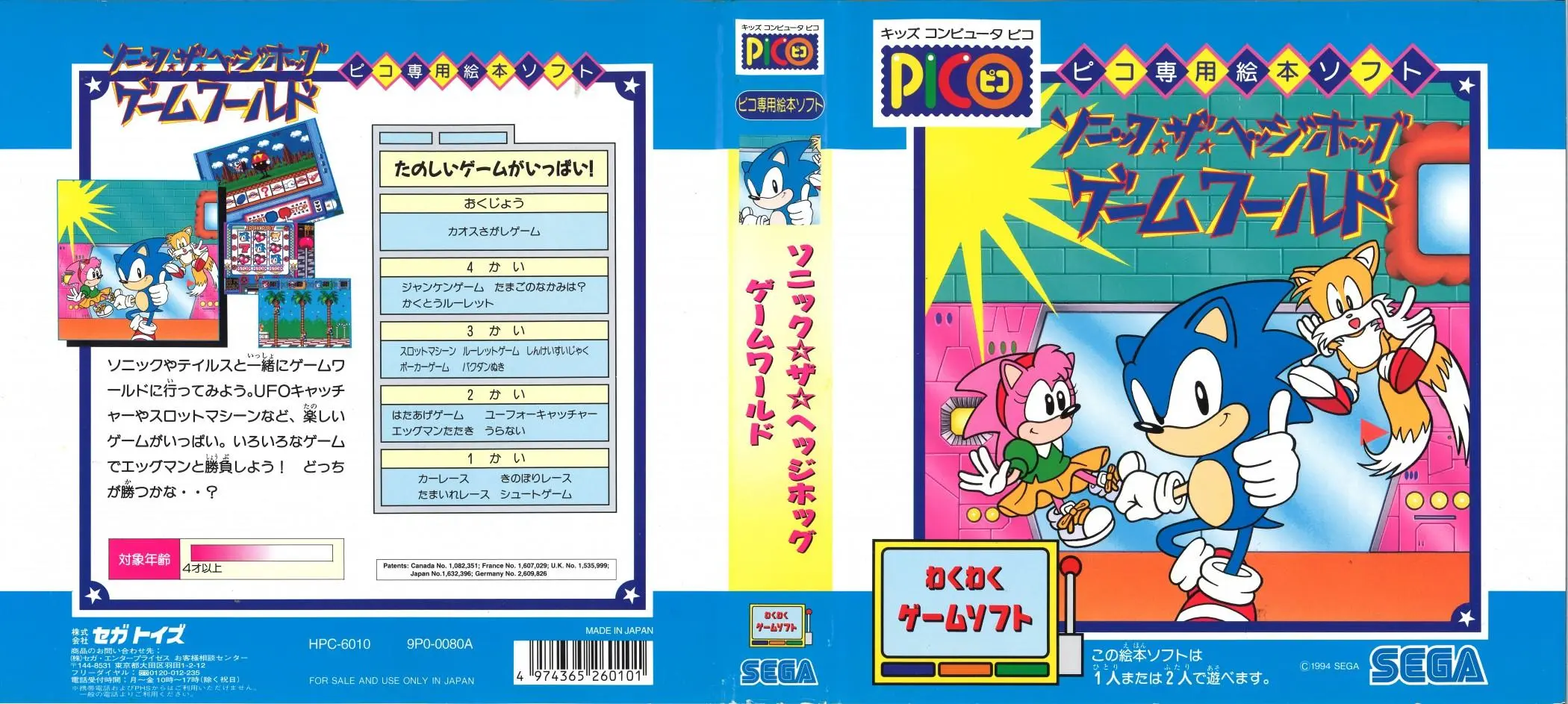
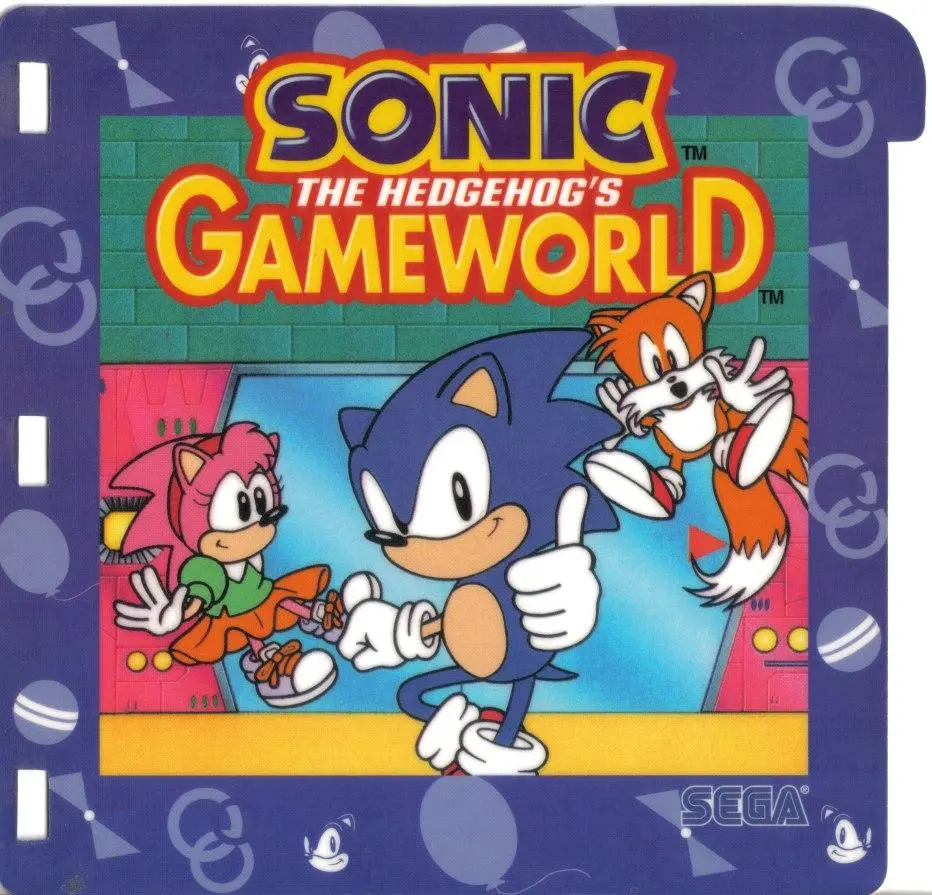
North American box.Japanese box.North American cartridge.Japanese cartridge.Storyware cover.Storyware page 1.Storyware page 2.Storyware page 3.Storyware page 4.Storyware page 5.North American title screen.US logo screen.Japanese logo screen.US copyright screen.Sonic-Ball.Toy Drop.Fortune-telling, Japan only.Roulette, Japan only.A card game against Robotnik.Another card game.Robotnik challenges you.Sonic vs Dr. Robotnik (Japan).Sonic artwork.Sonic artwork.Tails artwork.Amy artwork.Amy artwork.Amy badge artwork.
Every fact on this page was checked against the sources below. Sonic Retro and Sega Retro pages were read through Wayback Machine copies, because both live sites show a bot check; each link opens the copy we read. Notes on the Japanese-only games also draw on the screenshots in our own gallery.


 Second floorFlag Game · Toy Drop · Robotnik BopMake Robotnik raise the right flags on cue, grab toys off a conveyor belt with a robot arm, and bop as many pop-up Robotnik toys as you can.
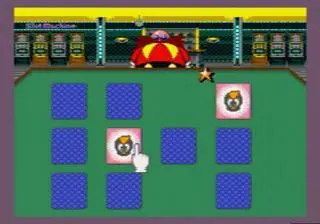 Third floorEgg Switch Game · Concentration · Sonic vs Dr. RobotnikFollow the egg with a Flicky inside as four eggs shuffle, find six pairs among twelve cards, and stop a spinning roulette to decide a Sonic versus Robotnik duel.
 Last pageCreate your own GameworldA paint program with popcorn-bag colours, pencils, markers, a spray can, a paint bucket and stamps, plus a Sonic who follows the pen around.
 Tails and the Music MakerSega Pico · 1994The other Sonic Storyware, made in America by Realtime Associates, with Tails as a music teacher.
 Sonic the HedgehogPlayable
 Miles “Tails” ProwerPlayable
 Amy RosePlayable
 CoconutsMonkey Badnik
 FlickyEgg Switch GameHidden in one of four eggs that shuffle round the table. Pick the right one.
 PockyArtworkThe rabbit from Sonic 1, part of the game’s art set in our gallery.
 RickyArtworkThe squirrel from Sonic 1, also in the art set.